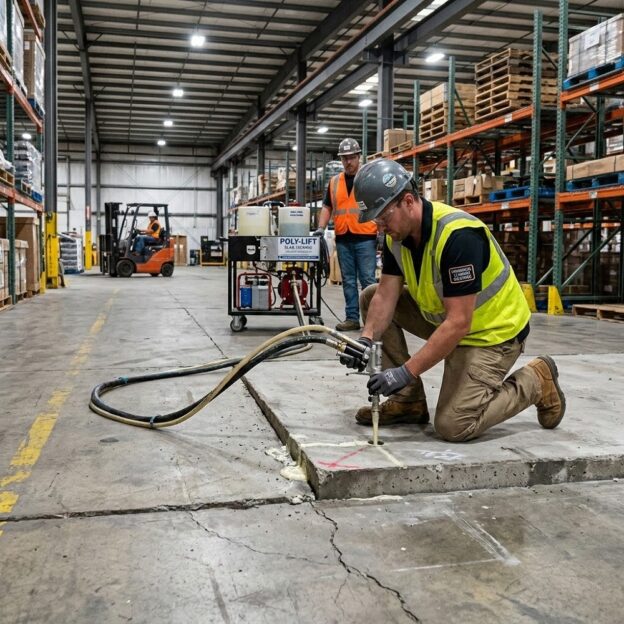
Commercial floors endure constant stress. From heavy foot traffic and forklifts to pallet jacks and industrial equipment, concrete slabs in warehouses, retail stores, office buildings, manufacturing facilities, and parking structures experience daily wear that can eventually lead to settlement and uneven surfaces. When this happens, many property owners assume replacement is the only option. In reality, commercial concrete lifting is often the more practical and cost-effective solution.
By restoring support beneath existing slabs, concrete lifting extends the life of commercial flooring while minimizing downtime and avoiding the expense of demolition. Understanding how the process works can help building owners make informed decisions that protect both their facilities and their budgets.
Why Commercial Concrete Settles
Concrete itself is incredibly durable, but the soil beneath it can change over time. Moisture fluctuations, poor compaction during construction, erosion, and repeated heavy loads can all create voids beneath the slab. Once support is lost, the concrete begins to sink or settle unevenly.
In commercial environments, these issues often develop in:
- Warehouses
- Distribution centers
- Manufacturing facilities
- Retail stores
- Office buildings
- Parking garages
- Loading docks
Ignoring the settlement allows the problem to worsen, increasing safety risks while placing additional stress on the surrounding concrete.
Restoring Structural Support Beneath Existing Concrete
One of the biggest advantages of commercial concrete lifting is that it restores the support system beneath the slab rather than simply covering the symptoms.
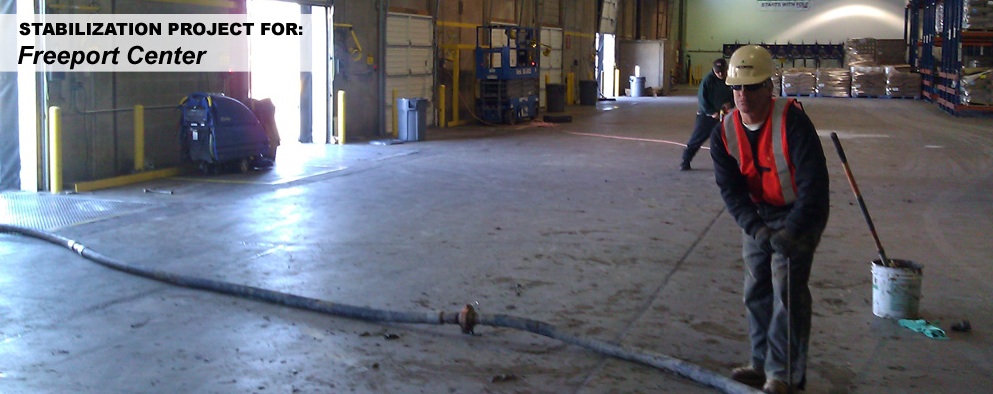
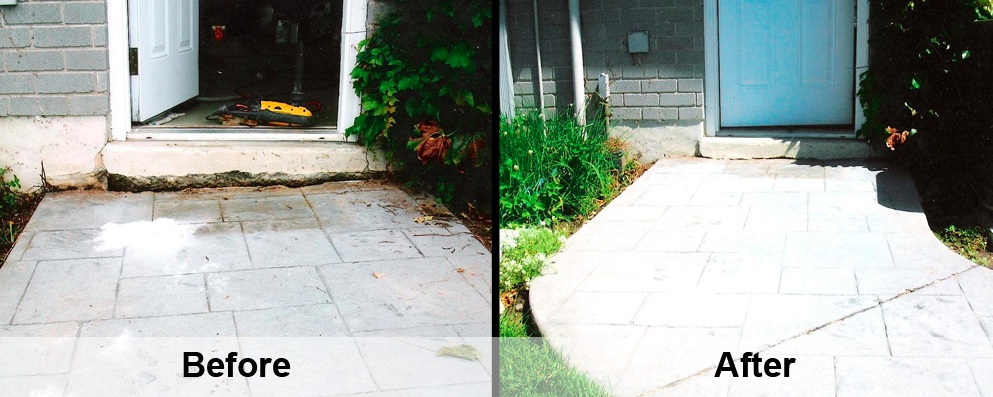
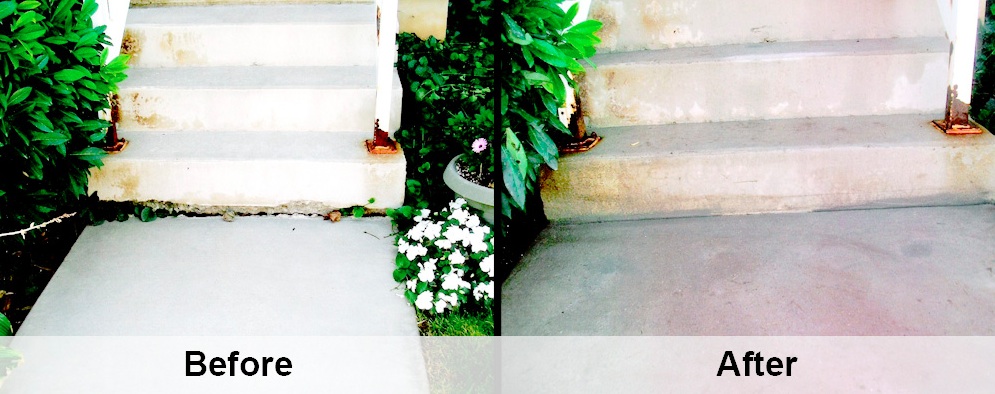
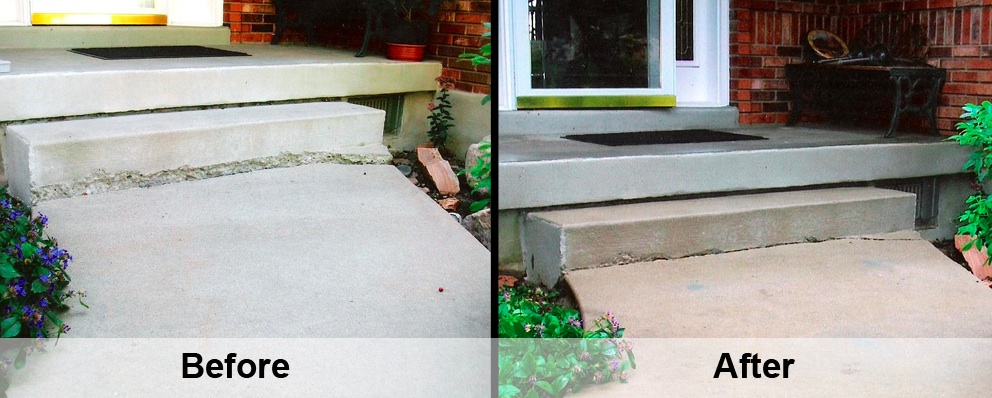
Professional lifting methods inject specialized material beneath the concrete to fill empty spaces and stabilize the underlying soil. As the voids are filled, the slab is gradually lifted back to its proper elevation.
This process restores structural support across the affected area, reducing movement and helping prevent additional settlement. Because the existing slab remains in place, the repair preserves the original concrete while extending its useful lifespan.
Instead of replacing concrete that is still structurally sound, property owners can restore its performance with significantly less disruption.
Level Floors Reduce Wear on Finished Surfaces
Uneven concrete doesn’t just affect the slab itself. It also impacts everything installed on top of it.
Commercial flooring materials such as epoxy coatings, polished concrete, vinyl tile, and other floor finishes perform best when supported by a level, stable surface. As concrete settles, these finishes experience additional stress that can lead to:
- Premature cracking
- Surface peeling
- Joint separation
- Uneven wear patterns
- Increased maintenance requirements
Heavy equipment also places uneven pressure on sloped or settled floors, accelerating deterioration.
By restoring a level surface, commercial concrete lifting helps protect floor finishes and reduces unnecessary wear caused by uneven loading and movement. This translates into lower maintenance costs and a longer service life for both the concrete and its finished surface.
Saving Time Compared to Full Replacement
Concrete replacement often creates significant operational challenges for commercial properties.
Removing existing slabs requires demolition, debris removal, site preparation, pouring new concrete, curing time, and often temporary business interruptions. Depending on the size of the project, replacement can take days or even weeks before the area is fully operational again.
Commercial concrete lifting dramatically reduces this timeline.
Most lifting projects can be completed in a matter of hours, with many areas returning to service within a day. This minimizes disruptions for employees, customers, deliveries, and ongoing business operations.
For facilities that depend on continuous productivity, reducing downtime is often just as valuable as reducing repair costs.
Lower Costs Without Sacrificing Performance
Budget is another major factor when choosing between repair and replacement.
Because commercial concrete lifting preserves the existing slab, property owners avoid many of the expenses associated with demolition, hauling, new concrete materials, and extended labor.
In many situations, lifting costs only a fraction of complete replacement while delivering comparable structural improvements for settled concrete.
These savings become even more significant for large commercial properties where replacing hundreds or thousands of square feet of concrete would require a major capital investment.
Built for High-Traffic Commercial Spaces
Commercial environments demand durable repair solutions that can withstand constant use.
When performed by experienced professionals, concrete lifting creates a stable foundation capable of supporting daily traffic from employees, customers, machinery, and vehicles. By eliminating voids beneath the slab, lifting reduces future movement and helps maintain consistent floor performance over time.
Warehouses, industrial facilities, retail buildings, and office complexes all benefit from the long-term durability that properly stabilized concrete provides.
Regular inspections and timely repairs also help maximize the lifespan of commercial flooring by preventing small settlement issues from developing into larger structural problems.
Invest in Long-Term Performance
Uneven commercial concrete rarely improves on its own. Waiting often leads to larger repairs, increased liability risks, and more extensive disruption to daily operations.
Professional Commercial Concrete Lifting & Leveling from Lift-Up Concrete Lifting restores structural support beneath existing slabs, protects floor finishes, minimizes downtime, and extends the life of commercial flooring. For businesses looking to maximize the value of their facilities while controlling maintenance costs, commercial concrete lifting is a smart long-term investment.