Uneven indoor concrete may seem like a minor issue at first, but even small changes in floor elevation can create significant uneven indoor concrete hazards for employees, customers, and visitors. Whether in a warehouse, retail space, office building, parking structure, or industrial facility, uneven concrete can impact daily operations, increase liability exposure, and contribute to costly accidents.
Understanding the risks associated with uneven floors can help property owners address problems early and maintain a safer environment for everyone who enters the building.
Trip-and-Fall Hazards for Employees and Customers
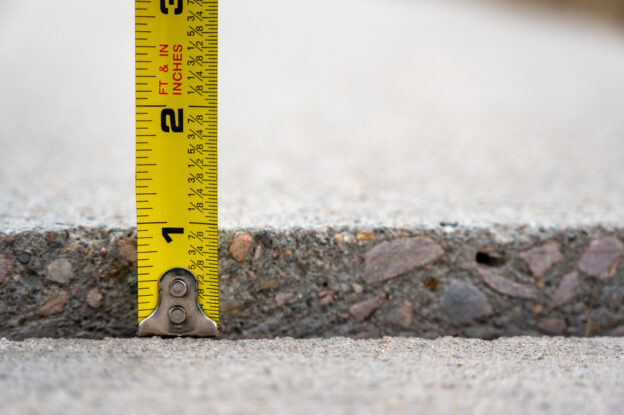
One of the most common dangers associated with uneven indoor concrete is the increased risk of trips and falls. Even a slight height difference between sections of concrete can catch someone’s foot unexpectedly, leading to injuries ranging from minor bruises to serious fractures.
In commercial environments, these hazards affect:
- Employees carrying materials or equipment
- Customers navigating retail spaces
- Delivery personnel moving products
- Maintenance staff performing routine tasks
The risk becomes even greater in areas with heavy foot traffic or poor lighting, where uneven surfaces may be difficult to notice. A small concrete settlement that seems insignificant today can quickly become a major safety concern if left unaddressed.
Equipment Stability and Operational Concerns
Uneven floors don’t just affect pedestrians—they can also create problems for equipment and machinery.
Facilities that use carts, pallet jacks, forklifts, or wheeled equipment often experience disruptions when concrete surfaces become uneven. Raised edges and sunken slabs can cause:
- Equipment vibration and instability
- Increased wear and tear on wheels and tires
- Difficulty maneuvering heavy loads
- Reduced operational efficiency
In warehouses and manufacturing facilities, uneven concrete may also affect the alignment and stability of machinery. Equipment designed to operate on level surfaces may experience performance issues when positioned on settled or sloping floors.
Over time, these operational challenges can lead to higher maintenance costs and reduced productivity.
Liability Risks for Commercial Property Owners
Property owners have a responsibility to maintain reasonably safe conditions for employees, customers, and visitors. Uneven indoor concrete can create liability concerns if someone is injured due to a known hazard.
Slip-and-fall and trip-and-fall accidents are among the most common sources of premises liability claims. If an investigation determines that a property owner failed to address a dangerous floor condition, the resulting costs can include:
- Medical expenses
- Legal fees
- Insurance claims
- Increased insurance premiums
- Damage to business reputation
Addressing uneven concrete proactively demonstrates a commitment to safety while reducing the likelihood of costly claims.
Compliance and Workplace Safety Considerations
Many commercial and industrial facilities must comply with workplace safety regulations and industry standards. Uneven flooring can create compliance concerns, particularly in environments where employee safety is closely monitored.
Employers are expected to identify and correct workplace hazards whenever possible. Failing to address settled concrete may expose a business to citations, inspections, or corrective action requirements.
Regular facility inspections can help identify uneven floors before they become larger safety issues.
Minor Unevenness Often Gets Worse Over Time
One of the biggest mistakes property owners make is assuming a small settlement issue will remain small. In reality, concrete rarely stabilizes itself once movement begins.
Common causes of indoor concrete settlement include:
- Soil compaction beneath the slab
- Moisture-related soil movement
- Voids under the concrete
- Poor original site preparation
As these conditions continue, slabs often sink further, creating larger elevation differences and increasing safety risks. What begins as a minor trip hazard can eventually affect entire sections of flooring and require more extensive repairs.
Early intervention is almost always more affordable and less disruptive than waiting until significant damage occurs.
How Concrete Lifting and Leveling Can Help
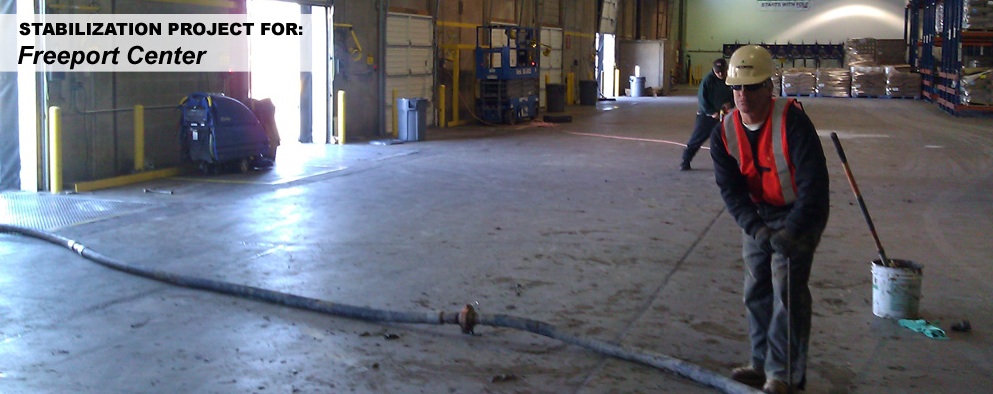
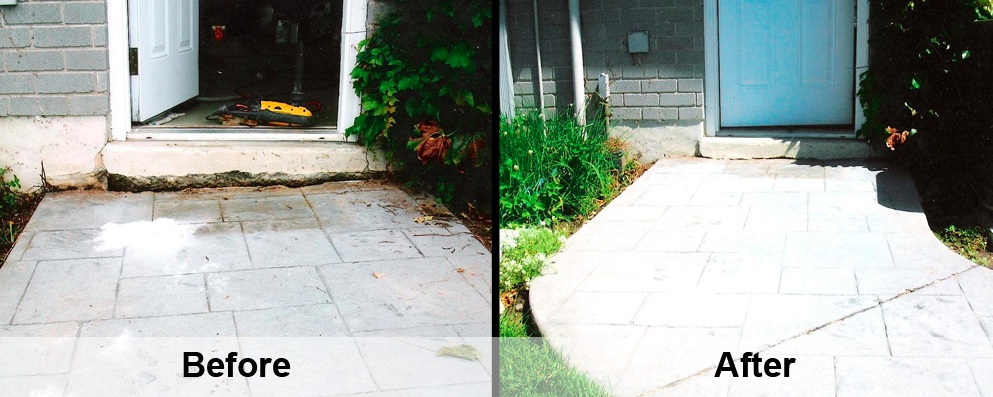
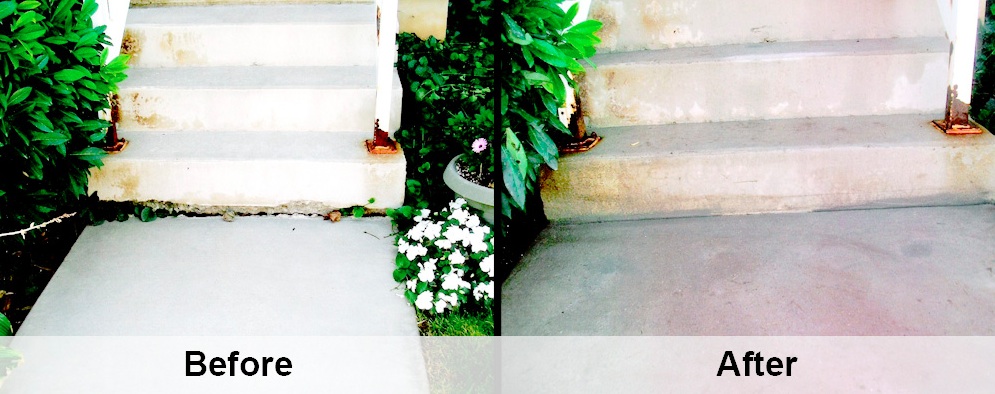
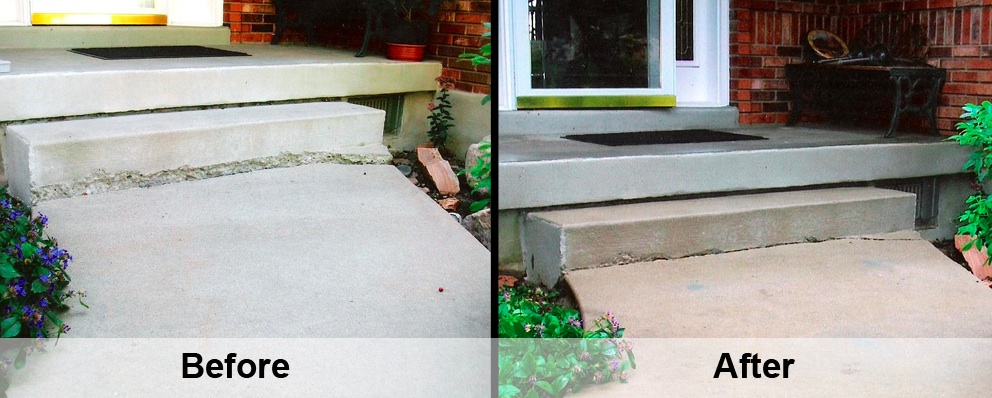
Fortunately, uneven indoor concrete can often be corrected without complete replacement. Professional Concrete Lifting and Leveling for Indoor Spaces services restore settled slabs by filling voids beneath the concrete and raising the surface back to its proper position.
Learn more about Concrete Lifting and Leveling for Indoor Spaces here:
https://www.liftupconcrete.net/concrete-lifting-and-leveling-for-indoor-spaces/
This process helps:
- Eliminate trip hazards
- Improve equipment performance
- Restore safe walking surfaces
- Reduce liability exposure
- Extend the life of existing concrete
For many commercial and residential properties, lifting and leveling provide a faster and more cost-effective solution than removing and replacing concrete floors.
Protect Your Property Before Small Problems Become Big Ones
Uneven indoor concrete should never be ignored. What starts as a minor inconvenience can quickly become a serious safety hazard that affects employees, customers, equipment, and business operations.
By addressing settlement issues early, property owners can maintain safer facilities, avoid unnecessary liability risks, and preserve the value of their investment. Professional Concrete Lifting and Leveling for Indoor Spaces from Lift-Up Concrete Lifting provides a reliable solution for restoring stability, safety, and functionality to indoor concrete surfaces.