Author Archives: admin

Choosing the Right Concrete Sealer

Concrete Sealer

Concrete sealer can protect and brighten, depending on the type of sealer and the concrete. Not all sealers are designed to match every surface. Use this guide to determine which product is an ideal investment for your residential or commercial concrete.

Why Is Concrete Sealing Important?

Crumbling, stained concrete makes for an unsightly facade. While concrete is one of the most durable building materials, it does disintegrate over time due to weather and chemical exposure. Sealing is essential for maximizing the longevity of the building material, giving it the most polished, attractive aesthetic appeal possible. Sealer comes in two main categories, and each type delivers different benefits for varying concrete types.

Film-Forming Sealers

Film-forming products live up to their name – they form a protective coating on the surface. The main purpose of this product is to give a glossy, smooth finish to the top coat. However, this type is available in both solvent and water-based forms, and each delivers different results.

Solvent-based versions cause the surface to darken considerably and they provide a high-gloss coating. For concrete with stamped color, the hues are brightened with solvent products. Water-based, film-forming sealers are the low-gloss option, absorbing into the surface more but offering a higher resistance to chemicals.

While film-forming products can protect against the freeze-thaw cycle and water and salt absorption, they are mainly recommended for surfaces in which stain resistance and aesthetics are the most important factors.

Penetrating Sealers

Penetrating repellant sealers do not alter the overall appearance. These products are heavily absorbed, but offer a higher level of weather protection. The water-repellant properties prevent absorption of melting snow and ice. A protective coating with this product ensures deicing chemicals can be used without damage to the concrete. The drawback is it does not offer protection against staining.

Penetrating sealers are suggested for use in outdoor areas exposed to a high level of precipitation and extreme climates. These products prevent premature degradation of the concrete due to the damaging effects of snow and ice absorption and expansion.

What Else Should You Know?

Of course, one aspect of choosing the right concrete sealer is understanding how much product you must purchase and the final cost involved. Calculate the square footage of your project before you begin pricing options.

Also, in the case of decorative or stamped concrete, ensure the sealer product properties will not interact with any surface chemicals in the concrete. Either apply the brand recommended by the concrete installer or consult the manufacturer to make sure no damaging chemical reactions will result.

Finally, take note of the product’s drying time and plan an application time that will not interfere with the household daily routine. Also note how often the sealer must be reapplied to maintain maximum protective levels.

Contact Lift-Up Concrete whenever you require professional concrete repair, and do not hesitate to consult the team about potential concrete sealer products fitted for your home or business.

The Importance of Maintaining Commercial Concrete

Commercial Concrete

Maintaining commercial concrete at a business property is essential for insurance purposes, aesthetic appeal and investment preservation. Whether you repair and taking care of commercial concrete on your own or hire a professional, ensure the concrete surfaces on your property stay smooth, clean and bright to save frustration and money over the long term.

Reduce Risk of Injury Claims

The primary reason for business owners to take top-notch care of their commercial concrete surfaces is to minimize the risk of injury to customers. Concrete is a common building material for stairs, walkways and parking lots. If it is chipped, cracked or sunken, one misstep can result in a serious injury to a client. Even though most business owners’ insurance policies cover injuries to customers that occur on the property, proven negligence on the part of the property owner may result in a higher settlement for the claims filer and subsequent higher insurance rates levied on the business owner. The insurance company may even drop the property owner’s policy if too many claims are filed in a certain period of time.

Brighten Property Appearance

Cracked and crumbling pathways give customers a negative first impression. If the business cannot keep up with basic exterior repairs, will the interior look similar? On the other hand, a well-cared for business front assures customers the owner pays attention to the most meticulous details. Repairing and renovating broken, dull or stained commercial concrete is an immediate facelift for any commercial property.

Eliminate the Need for Concrete Replacement

Concrete is designed to last for years on end, but ground shifting, accidents and natural disasters can wear on the material over time. This material is cost-effective and affordable, which is why it is used in the first place, but ripping up old concrete and pouring new structures is an added expense most business owners can do without. It is less expensive to maintain current surfaces than it is to remove and pour new stairs, parking lots and walkways.

Should You Hire a Professional?

Basic maintenance of commercial concrete involves regular power washing and surface and crack sealing. While these two tasks can be completed by the property owner without professional assistance, time constraints or other issues may warrant the services of a concrete repair company. If your concrete levels are significantly different, professional concrete lifting may be necessary to make the surfaces even once again. Whether you attempt to follow a maintenance schedule on your own or turn to a repair organization, regularly examine each surface on your property to ensure problems are addressed before they escalate.

Contact Lift-Up Concrete for professional commercial concrete repair and receive attentive, top-tier service for your property.

Types of Concrete Sealer

Concrete Sealer

Different types of concrete sealer can provide varying levels of protection, so it’s important to learn what each product can deliver before purchasing a large quantity for your driveway, patio, steps, walkway or countertop. A concrete sealer can deepen and accentuate the color of the concrete; protect the surface from dirt, grime and grease; give the top coat a glossy finish; and prolong the life of the material overall by blocking the damaging freeze-thaw cycle that causes concrete to crumble and weaken over time.

Here are four types of concrete sealer you should consider for the concrete on your property:

Acrylic Sealer

Products made of acrylic are a good choice when you need a fast-drying option, since they are much thinner than the other substances. It is applied in thin coats that dry in about one hour, and usually applying at least two coats is ideal. Acrylics come as either solvent or water-based options. Solvent-based acrylics are better for outdoor use, because they provide a higher level of protection against exterior wear from the elements. The primary benefit of acrylic sealers is the product’s ability to prevent water and chloride from infiltrating the concrete, but still letting inherent moisture make its way out.

Deep Penetration Sealer

This category contains all products using variations of silicate material. The silane, siloxane or silicate product sinks into the concrete and initiates a chemical reaction, forming a bond against all harmful substances, including rock salt. A hearty application of a penetration sealer will allow you to spread deicing material on your concrete pathway or driveway without fear of damage. It does not alter the appearance of the concrete surface, add a gloss or change the color. It is a permeable sealer, so it allows moisture to evaporate. This type is applied either with a sprayer or a roller paintbrush. Since it’s the most protective and durable option, it’s most commonly used for exterior purposes.

Polyurethane Sealer

Products made of polyurethane also come in water or solvent bases. They are highly effective in protecting high-traffic areas from becoming scuffed and dull. This product offers a whole range of gloss options. It gives a clear, shiny finish to decorative or stamped concrete. When applying, make sure the surface is completely dry, because polyurethane will react with water and begin to foam. Make sure it does not come into contact with any moisture until it’s fully dried. One negative characteristic of polyurethane is its inability to release moisture from within the concrete. This could contribute to weakness in the structure.

Epoxy Sealer

Epoxies come in a transparent or colored finish and are highly water resistant. This type of product forms a long-lasting protective barrier against chemicals, moisture and regular wear. While epoxies fully bond to concrete, they do not offer an exit for inner moisture. When exposed to sunlight, the finish may gradually yellow. For this reason, interior concrete has much better long-term results with an applied epoxy. Due to the thickness of the product and how quickly it dries, it must be mixed and painted on by hand.

A sealer can protect your home’s concrete structure for years. If you require additional advice on what type of concrete sealer is ideal for your property or you would like more information on concrete repair, talk to the professionals at Lift-Up Concrete today.

Tips on Cleaning Concrete Stains

Cleaning Concrete Stains

Stains on concrete can ruin your home’s curb appeal, so cleaning these unsightly eyesores should be a top priority for homeowners. The porous concrete surface of your driveway absorbs many unwanted substances which can leave behind stains, but a few particular materials are more difficult to remove than others. This guide helps homeowners remove three of the most common and unsightly stains – oil and grease, paint and rust.

Removing Oil and Grease

If the oil or grease stain is small and fresh, try mixing household dish detergent with water, pouring it over the stain and scrubbing with a wire brush. This may be the only cleaning agent needed. If the stain is large and sunk into the concrete, try this more comprehensive method: Mix one ounce of trisodium phosphate (TSP) with one cup of water and add enough absorbent material, such as cat litter or baby powder, to the fluids so the mixture turns paste-like. (Be sure to wear gloves and a mask when handling TSP to protect your skin and lungs from this useful but potentially dangerous chemical.) Spread the resulting paste over the stain. The cleaner will sink into the concrete and slowly draw up the oil and grease, and the absorbent powder will absorb it. Once the mixture has dried, scrape away the paste using a brush. Depending on the strength of the mixture and the stain’s resistance, multiple coats may be necessary to fully penetrate and absolve the area.

Removing Paint

If you have gotten paint on your driveway and it has only absorbed into the concrete’s top surface, a high-powered pressure washer may be strong enough to chip away all paint particles. If the pressure washer is unsuccessful, use an electric, heavy-duty sander with coarse grit sandpaper and evenly smooth over the affected area to loosen the paint’s hold.

Another option is to mix a portion of absorbent material with chemical, industrial-strength paint thinner, once again creating a paste. Wear a respirator mask, and if applying to concrete inside a garage, open the doors and facilitate ventilation to ward off fume buildup. After the paste is applied to the painted area and dries, scrape it away and the remaining paint flakes should come with it. Repeat as needed to achieve the desired result.

Removing Rust

Rust can be one of the most difficult substances to remove from concrete. First, mix one part TSP with one part water. Soak the rust-covered surface, then scrub with a wire brush. You can also try using vinegar or lemon juice in place of TSP and water.

For stubborn rust stains, breaking down the surface of the concrete with a muriatic acid mixture may be the only effective removal tactic. Put on layers of protective eye, hand, feet and body gear. Pour two cups of water into a plastic bin and add ¼ cup muriatic acid. Never pour water into acid, as that combination boils quickly and can splash hot acid all over. Apply a thin coating of the mixture and attempt to scrub the rust away with a long-handled brush. Add additional coatings of the acid mixture sparingly, in small doses. While it’s important to remove ugly, orange-colored rust stains, the goal is to preserve the concrete rather than cause it to crumble.

Never pour bleach on rust stains – it only sets them more permanently in the concrete. Before using any industrial-strength cleaner for any type of stain, perform a small test on a corner of your driveway to make sure the cleaning agent itself won’t create a stain. For expert concrete repair and more advice on cleaning concrete stains, contact the Lift-Up Concrete team today.

How to Fix Water Damage to Concrete

Concrete Water Damage

Repairing water damage to concrete is essential to maintaining the structural integrity of the slab, wall, driveway, patio or any other construct composed of the material. How does concrete react to water damage and when is professional repair necessary?

The Effects of Water on Concrete

Concrete is composed of three elements: cement, an aggregate such as rocks or sand, and water. The proportion of each ingredient in the final mix will determine the strength of the finished concrete surface. The most common installation mistake is adding too much water to the wet mixture. While excess water makes the concrete easier to mold during the installation process, it will be weaker and less durable after it sets. Concrete is porous, and a high water content makes it more permeable and compromises its solidity.

How Does Water Damage Occur?

Water damage is much more likely to occur to a concrete mixture made of a disproportionate amount of water because it enlarges the pores and makes it easier to absorb water. As more water is absorbed, it softens, cracks, shifts and crumbles. Surface erosion is referred to as scaling. Using deicing chemicals in freezing temperatures can expedite concrete scaling. As time goes by, mild scaling can translate to long cracks that widen, creating gaps and sunken areas of the once-solid surface. Repairing water damage before the problem escalates is wise, but in certain cases, especially those involving recessed levels, professional help is warranted.

When to Contact a Professional

Classify the level of scaling present before repairs begin. Light scaling involves crumbling of less than five millimeters in depth, with no exposure of the aggregate. Medium scaling is when the aggregate’s top surface is showing and exposure reaches from five to 10 millimeters deep. Severe scaling is mortar loss up to 20 millimeters deep, and very severe scaling is over 20 millimeters. If the concrete only shows light scaling, recoating the surface is a viable solution.

In cases of medium or severe scaling, the concrete’s structure may be compromised and professional repair is needed. When surfaces exhibit extreme scaling, develop cracks or begin to collapse, a concrete lifting company will restore the concrete to an even, smooth level through mud jacking and slab reinforcement. Property owners should rely on experienced repair technicians when the damage extends beyond light scaling.

Repair Guidelines

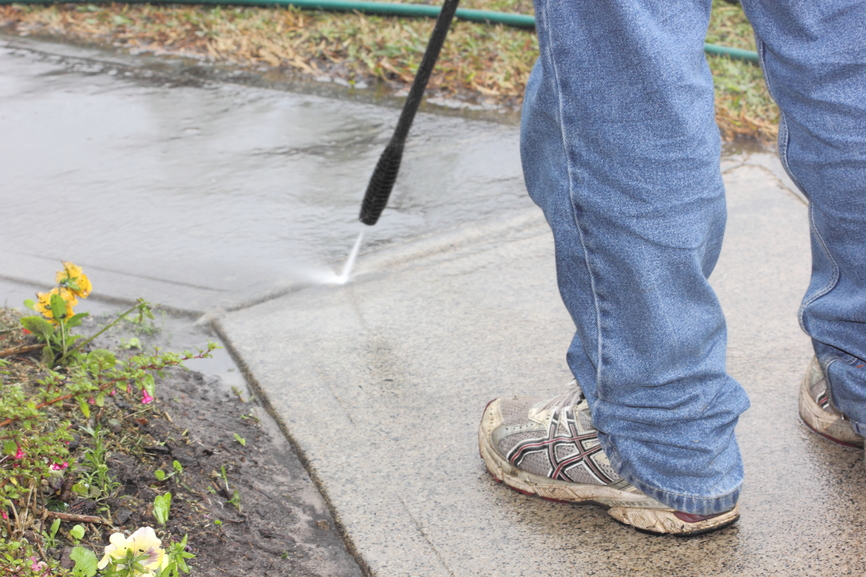
Clean the damaged surface before beginning repair for light scaling. Use a pressure washer to spray away crumbling cement, dirt, plants and stains. Resurface the affected area with a finishing seal. Once dry, apply a waterproof coating to help prevent further degradation.

For an assessment of water damage to concrete on your property and a repair estimate, contact Lift-Up Concrete.

Concrete Driveway Maintenance Tips

Concrete Driveway Maintenance

Concrete driveway maintenance is essential to prevent high-cost repairs or driveway replacement. Compared to asphalt and paving stones, concrete is a material requiring minimal maintenance throughout the year. However, if mistakes occur during installation or the driveway experiences harsh winter weather, the chances increase that cracks and crumbling will appear. Follow these concrete driveway maintenance tips for ultimate preservation.

Follow Installation Guidelines

When a concrete driveway is poured, the materials must cure for a predetermined amount of time to ensure the bonding process is completed successfully. Do not drive or park any vehicle on the driveway for at least three days following installation. For heavier trucks, vans and SUVs, wait at least one week before using the driveway. Heavy-duty equipment or trailers should not drive on the surface for at least 30 days. Using the driveway too soon can result in cracking, shifting and may require professional concrete leveling.

Repair Cracks Promptly

Whether a crack occurred due to damage from water, a heavy load or simple wear and tear over time, prompt attention to the issue is necessary. Unattended cracks can worsen over time and cause whole sections to separate and sink. If the driveway is already uneven, concrete lifting may be necessary to properly bond the separated areas together. If the crack is still thin, a repair kit utilizing caulk, grout and sealer may be able to permanently rectify the fissure.

Schedule Sealing

Depending on the location’s environment and how much the driveway is used on a regular basis, the surface should be resealed every two years at the minimum. As soon as the top coat finish starts to show signs of wearing down, apply a coat of high-quality seal. Sealing on a set schedule will protect the surface from absorbing too much moisture. On decorative stamped concrete, regular sealing is even more vital. The seal will bring out the pattern and color while limiting machinery oil stains.

Avoid Harmful Defrost Chemicals

Defrosting materials thaw surface ice, converting it to moisture. When the moisture sinks into the surface and refreezes, it increases in volume by at least 9 percent. When de-icing salts are applied to concrete, it increases the number of thawing, absorption and freezing phases the driveway undergoes. The freezing water’s expansion can accelerate the degradation of surface concrete. Since concrete gets stronger over time, do not use any de-icing materials on the driveway the winter following installation. Only concrete that has been mixed to withstand 4,000 pounds per square inch and allowed enough time to cure will be impervious to the damaging effects of rock salt.

For additional concrete driveway maintenance suggestions and professional concrete lifting services for problematic areas, contact Lift-Up Concrete for a consultation.

Benefits of a Concrete Patio

Concrete Patio

The benefits of a concrete patio go beyond cost-effectiveness. When homeowners want a safe, low-maintenance patio that turns their deserted backyard into a welcoming location for social gatherings, concrete is the building material of choice. Read more about the benefits of concrete patios.

Lower Risk of Injury

Wood patios are sealed at the time the project is complete, but weathering takes a toll on the material. Eventually the surface may splinter, posing an injury risk for bare feet or thin-soled shoes. When pavers are used to construct a patio, they are solidified in place, but over time, the stones may loosen and create gaps, potentially causing people to stumble or stub their toes. Concrete patios are smooth and durable. Even if cracks appear, they are easily filled and smoothed over, preventing any risk of injury.

Environmental Considerations

Concrete is an environmentally friendly alternative to wood. Without the need for lumber, repeated staining and finishing, homeowners can preserve trees and reduce chemical waste. Permeable concrete absorbs excess stormwater runoff at a rate of eight to 12 gallons per minute while remaining sturdy and durable. Minimizing stormwater runoff protects nearby water sources and wildlife from dangerous industrial pollutants.

Fast Installation

An experienced company can pour, set and sculpt an aesthetically pleasing concrete patio in a short amount of time. Hiring construction crews to complete a wood or paved patio takes significantly more labor and materials, which translates to a higher cost for the property owner.

Minimal Maintenance

Like all building materials, concrete will wear over time, but it’s affordable and easy to repair. If concrete sinks leaving uneven levels, a quick appointment with a concrete lifting repair company can solve the issue with soil stabilization and prevent future issues. If the slabs crumble or crack, repair specialists can swiftly fill in gaps and return the surface to its previous condition.

Unlike paving stones which have gaps that allow weeds to flourish, concrete patios are a solid surface. To clear away dirt and debris, sweep the patio; to attack stains and persistent grime, use a pressure washer on the tough patches.

If the surface begins to show scuffs and weathering, reseal the patio with another coat of the original brand of seal. Normally seals last between two to three years before another coat is required, but in harsh weather conditions or with significant wear, certain patios may need more frequent maintenance. Contact the original patio installer or a local concrete maintenance company for individual guidance.

For professional concrete installation and maintenance service, look no further than Lift-Up Concrete. Their expert craftsmen can inform you about the additional benefits of a concrete patio and issue a personalized quote for your property.

How to Repair Sidewalks with Concrete Lifting

Sidewalk Repair

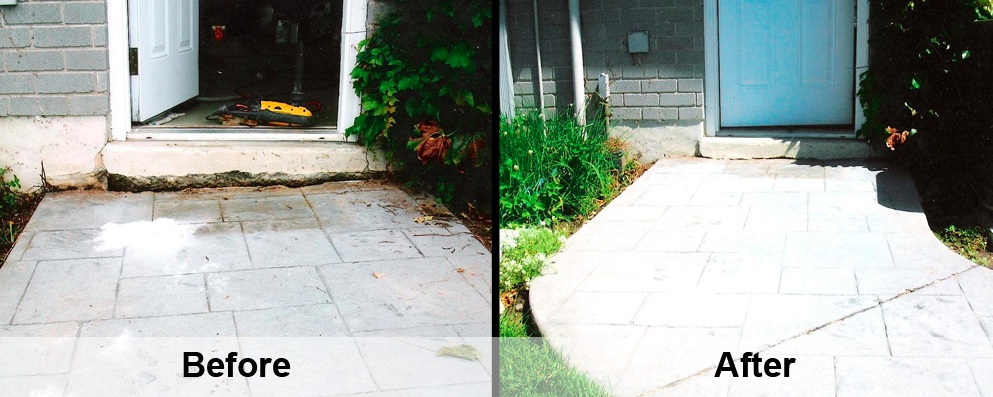
Property owners and city officials alike must repair sidewalks regularly in order to comply with municipal code regulations and prevent injuries. Through concrete lifting, city and individual-owned sidewalks can be repaired with minimal cost and within a reasonable time frame. Read on to learn more about how the process works.

Signs of a High-Risk Sidewalk

While municipalities normally have strict limitations surrounding trip-and-fall lawsuit claims, it is in all parties’ best interests to avoid injuries, especially if an individual homeowner could be held at fault in a personal injury lawsuit. Sidewalks that require repair will exhibit one or more of the following characteristics:

  • Cracks
  • Shifting under pressure
  • Crumbling edges
  • Raised or lowered edges greater than one half of an inch
  • Improper grading

Before beginning work, certain towns may require a completed sidewalk repair permit application. Consult with the local office that governs sidewalk repair in your area – most commonly the building or transportation department.

What Is Concrete Lifting?

Concrete lifting, sometimes called mud jacking, is a building tactic that raises sunken or uneven concrete sections using grout. First, the concrete specialists drill a hole into the target area. Next, the grout is injected beneath the sunken sections. The grout is normally made of lime or sand, with minimal concrete added for support, only when necessary.

Concrete lifting is a sensible repair option, especially when the majority of the concrete slab is still in good condition. Because concrete lifting is a method used to even out the surface rather than support the entire concrete section, grout is the desired material of choice. The grout enters the drilled hole smoothly, easily filling the space underneath the concrete slab. It would be much more difficult to achieve the same level results if wet concrete were used instead. After the concrete slab is adequately raised to its previous level, the hole is patched and the top surface is evened out using the grout mixture.

Who Is Responsible for Sidewalk Repair?

Many cities or towns have unique bylaws surrounding sidewalk repair. For example, Seattle residents are fully responsible for sidewalk upkeep on their property’s street front. The Seattle Department of Transportation provides extensive diagrams and pictures in an online guide so property owners can diagnose and promptly repair sidewalk issues. In San Diego, the city is responsible for damage to sidewalks caused by vehicle accidents and utility work. Normal degradation is the responsibility of the property owner, although the city may reimburse for 75 percent of the cost of repair. Salt Lake City residents are responsible for sidewalk repairs on their property, but the city may subsidize a portion of the project. Work permits must be submitted through the city’s engineering division and costs paid prior to construction.

For more information on how to repair sidewalks with professional concrete lifting, contact Lift-Up Concrete today.

concrete lifting & leveling Utah

Steps

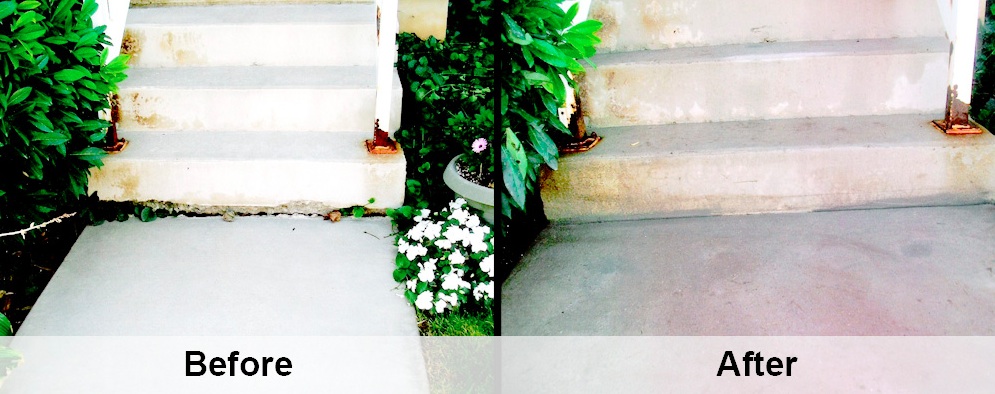
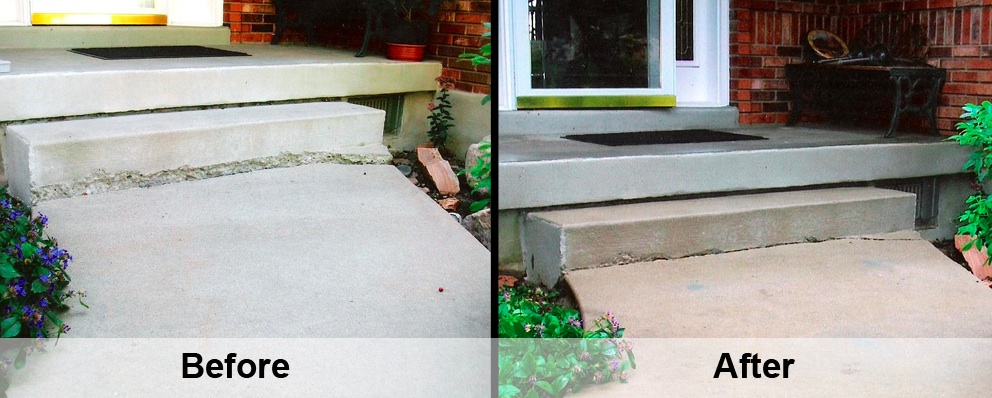
Few concrete problems are as conspicuous as slanted or raised steps. Crooked stairs are highly visible to passersby and neighbors and can ruin the appearance of your entire home exterior. They are also particularly dangerous for anyone who requires the use of your stairs. Likewise, if your stairs lack a rail some people may simply be unable to use them, which can be an embarrassing inconvenience for you and your guests.

Soil destabilization is the most common reason for this problem and can occur in newer or older homes. This problem tends to happen when runoff water from rain, snow or ice leaks through to the ground below, causing the underlying soil to shift. Due to the safety risks associated with this type of concrete damage it is important to get your steps fixed as soon as possible before you or someone else gets injured.

If your stairs are cracked or have actually have begun to pull away from your porch leaving a discernible gap, you may be tempted to call a replacement service. However, with our professional concrete lifting service you can save yourself time and money. Using a special grout mixture, which we inject through several small drilled holes in your concrete, we can seamlessly restore any cracks in your stairs and make them level in the process.

Most repairs are done in just a few hours and you’ll be able to use your stairs in their newly restored form later the same day. You’ll also only pay about half of what you would if you have paid to have your stairs replaced. Best of all, the fix is permanent and designed to withstand water and moisture so you won’t have to worry about replacing your stairs in the future.

sunken concrete Utah

Porches

Your front porch is one is of the most visible parts of your home. Visitors, neighbors and anyone passing by your home can see it. A porch that is sinking or uneven can negatively impact the appearance of your home’s exterior or even lower its value. Soil displacement is the most common cause of concrete porch sloping or cracking. If the problem is significant enough, your tilted porch could also pose a risk to the foundation or surrounding structures of your home.

This threat comes from the rain and snow that can leak down through any existing cracks. An unstable porch area can be very dangerous as gaps and cracks can be significant, increasing the risk of a slip and fall on your property. It is important to fix this kind of concrete problem before it becomes more serious. However, replacing your porch can be costly, time consuming and unsightly. It also renders the front entrance of your home useless, possibly for several days.

Concrete lifting or mudjacking is a quick and relatively inexpensive alternative to traditional replacement.  Our comprehensive time-saving service can repair your porch using a professional-grade grout mixture. This un-invasive technique fuses to the backside of your concrete, restoring cracked concrete slabs and filling in any voids in the soil substrate. The fix is permanent, eliminating the need for cement replacement in the future, which saves you money in both the short term and the long term. In fact, concrete lifting costs as average of 50 percent less than concrete replacement.  Over the lifetime of your home, these saving can really add up. With our expert level service, your porch will be restored in a few hours and ready for use the same day I most cases.