Category Archives: Blog

What Causes Soil Erosion Under Concrete?

Soil Erosion

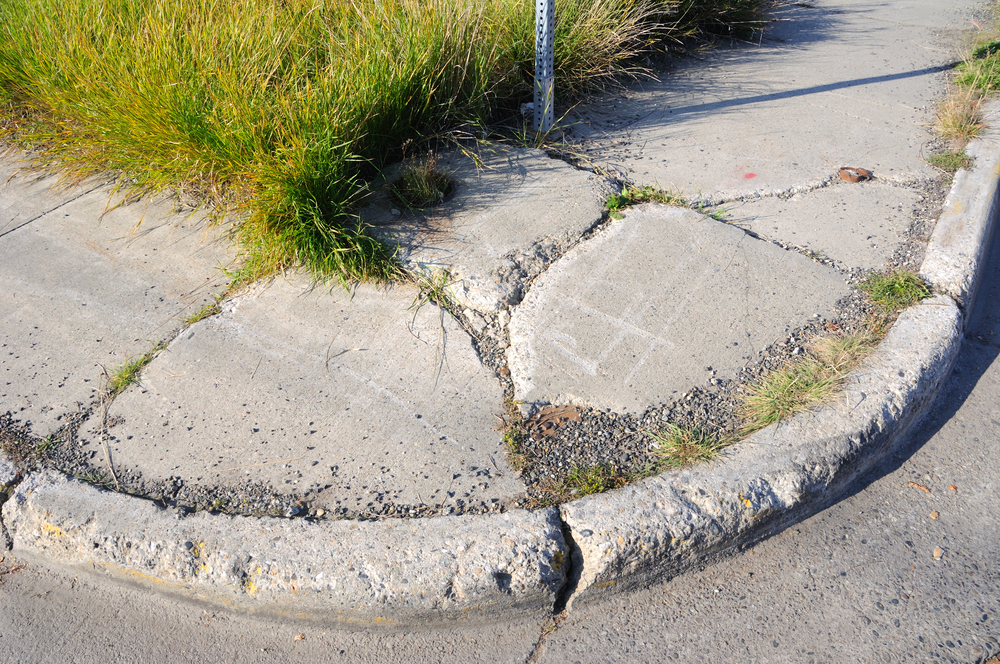
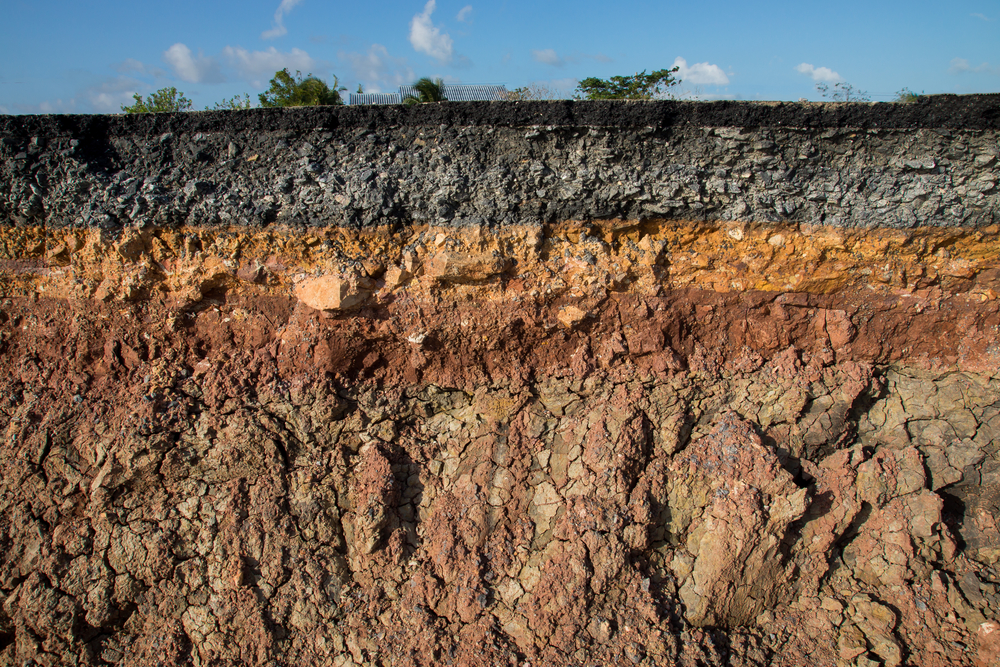
Soil erosion is one of the main threats to your concrete slab, whether it’s a foundation, driveway, patio or pool deck.

Soil can erode over time or all at once, leaving you with a cracked, sunken concrete surface that is both unsafe and unsightly. How does soil erosion happen, and why does it damage your concrete?

Inadequately Compacted Fill Soils

When contractors pour a foundation, driveway or any other concrete structure covering a large surface area, they usually bring in truckloads of fill soil in order to make sure the concrete will be poured on an even grade. This fill soil should be compacted firmly in order to form a solid platform to pour the concrete.

Experienced contractors are aware of the importance of solid compaction, but even those who do their best fall short sometimes. It can take years for the underlying soil to completely settle and release all air pockets. Cracks are, in some cases, inevitable, though the damage done to a concrete slab with little focus on compaction is even worse.

Plumbing Leaks

Soil erosion can also be caused by leaks in household plumbing lines. Even just a trickle can wash out the fill and leave air pockets, weakening the slab and leading to cracking and crumbling. This cause of soil erosion can lead to serious concrete damage, simply because it’s so insidious.

Poor Landscaping and Drainage Design

If your home is located in a valley or anyplace where water collects and pools, you should call a landscaping expert to help you divert water away from your concrete slab. When water runs alongside the slab or drains nearby, the constant high moisture content in the soil will eventually lead to erosion.

Also, no matter how your home is positioned, every residence requires a proper drainage system with gutters and downspouts fully connected and leading away from the house. Otherwise, the constant pooling water will take its toll on your foundation and any other nearby concrete surfaces through gradual soil erosion.

Drought and Natural Disasters

In the midst of a severe drought, soil shrinks and the concrete loses its previous support. Vegetation like trees and shrubs begins spreading its roots farther than normal in search of water, causing the concrete above to crack and buckle.

On the other hand, a natural disaster such as a flood or mudslide can lead to drastic soil erosion, completely wiping out supportive soil for a concrete structure.

If your concrete needs repair due to sinking, cracking, buckling, crumbling or any other structural or surface issue, talk to Lift-Up Concrete. We can use restoration methods to fix the slab and prevent further soil erosion issues as well.
Do You Need to Repair Your Concrete Garage Floor?

Concrete Garage Floor

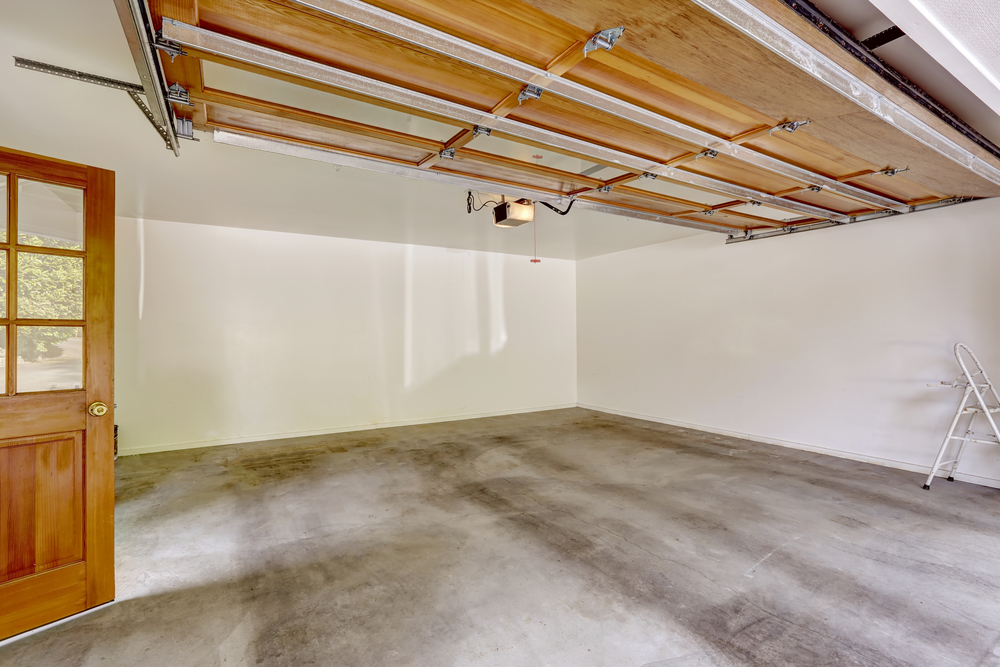
Have you taken a close look at your concrete garage floor lately? If you have big renovation plans involving your garage or you’re getting your house ready to put on the market, maybe you have. Otherwise, you’ve probably ignored any problems with your garage — after all, you have a whole house to worry about.

A concrete garage floor is a sturdy, durable platform to park your cars, but it needs regular care and maintenance just like the other concrete structures around your home, including your patio, driveway and foundation. A garage floor may become damaged for many reasons, and repairs should be done as soon as possible.

Why Do Garage Floors Suffer Damage?

A garage slab usually is not poured as deeply into the ground as a foundation; rather, it is layered on top of compacted soil. The concrete can crack as the ground below the slab freezes and thaws, causing the soil to move.

Contraction joints are placed in sections throughout the slab in an effort to encourage cracking along these lines rather than throughout the slab. Regardless of whether the contraction joints were placed correctly during the installation, sometimes the frost heaves below are drastic enough to cause some deep and wide cracks.

Another reason for floor damage is moisture on the slab’s surface. When snow and ice melt, spread into the garage, then freeze and melt again, the freeze/thaw cycle causes expansion and contraction in the concrete, leading to surface crumbling and deterioration.

Types of Damage You May Encounter

Cracks are obvious to spot, but pitting and spalling also are issues you may encounter. Spalling — rough, crumbling patches on the surface — is a result of the breakdown in concrete due to the freeze/thaw cycle .

Pitting — deeper gouges or missing pieces — is usually the result of mistakes made during slab installation, including an imbalanced concrete mix or an incorrect finishing procedure. Pitting may affect large areas of the floor.

Why Refinish, Repair or Resurface?

In all cases, whether your garage floor has numerous cracks, widespread spalling or pitting, you must address the issue. When you let the slab continue to degrade, you are putting your garage at risk of water damage. Also, if the problems are not addressed, eventually you may have to rip up and replace the entire slab.

At Lift-Up Concrete, our repair professionals use techniques such as slabjacking to restore your garage floor to its previously smooth, undamaged condition. Call us today and find out more about how our experienced team can help you with your concrete garage floor.

When Is Resurfacing Concrete the Right Move?

Resurfacing Concrete

There comes a time when resurfacing concrete is necessary, even though it is one of the most stable, durable and economical building materials. A resurfacing will restore your concrete structure back to its previous smooth, unmarred appearance and help prevent future wear and tear.

You should consider concrete resurfacing if:

The Surface Is Beginning to Crack

If your driveway or patio is made of concrete and you begin to see deep cracks develop, it’s time to take action. Before you focus on resurfacing, make sure the slab is stabilized through slabjacking. Once the sections are firmly back in place, resurfacing will finish the restoration job. Letting cracks grow will only result in a more expensive repair down the road.

You Are Thinking of Selling Your Home

Those unsightly oil stains on your concrete driveway are not going to attract potential buyers once you place your home on the market, but resurfacing can help.

In order to successfully apply the resurfacing agent, all mold, stains and dirt must be removed. Most resurfacing products contain stain-prevention properties that will protect the surface against further soiling and contribute to the curb appeal of the home.

Winter Weather Is on the Horizon

If you live in an area where it snows a lot, you may want to resurface your worn concrete so you can effectively remove snow and ice without worrying about how it will affect the finish.

Normally, you should not use de-icing salts on concrete, as the accelerated freeze/thaw cycle will only serve to weaken the bond between the materials. But certain products can help prevent moisture absorption and limit damage to the surface.

You Don’t Want to Invest in Brand New Concrete Installation

There’s no doubt about it — ripping up old concrete and pouring new is not a cheap project. It is an extensive job that will result in a significantly higher bill than resurfacing. Not only will you need to pay for an excavator to remove the broken pieces, dispose of them and haul them off the lot, you’ll have to invest in surface preparation, brand new materials and labor to take care of the entire project.

Resurfacing concrete is a much more affordable restoration option and can extend the life of the surface. Don’t replace when you can repair for a fraction of the cost.

Call Lift-Up Concrete for prompt, professional concrete restoration services for your home or business.

6 Questions to Ask Your Concrete Repair Company

Concrete repairman
You want to hire a concrete repair company that’s honest, dependable and most importantly, delivers high-quality results. Your concrete structure, whether it’s a driveway, patio, staircase or home foundation, was a big investment and must be maintained properly.

Ask any potential company on your list to answer the following six questions. Depending on their answers, you will know exactly which one you should hire.

1. Are You Licensed and Insured?

Having a license to work in the local county or municipality is a must. You want to make sure the contractor you choose operates legally.

You should also make sure any company you hire carries adequate insurance coverage so their workers are protected on the job site — your home or business. Otherwise, you could be on the hook for any workers’ compensation claims if an injury occurs.

2. Will You Provide a Quote Up Front?

Giving potential customers a free quote on how much the project will cost shows professionalism and experience. When a contractor can assess accurately the expenses associated with repairing a specific concrete condition, you know the company has completed similar jobs before. When they are willing to share an itemized list of labor and materials, you know they respect you as a potential client.

3. Do You Have Quality References?

A reputed concrete repair company will not only have names and phone numbers of satisfied customers, they will also be able to show you pictures of their past work depicting how they have transformed degraded surfaces.

4. Can You Give an Accurate Timeline for Completion?

Part of a reliable company’s honest disclosure process should involve clearly telling potential clients when their company is free to begin work and how long the project will take.

5. What Type of Material Do You Use?

An upstanding team will not be too general about what products they use. They will be able to tell you in detail which products are used for sealing, crack repair and stabilization and why the products they have chosen are better than others. If they can do this, you will know without a doubt that you have decided on the best concrete repair company in the area.

6. Do You Stand by Your Work?

Will the company be around to answer questions and follow up if a problem arises after the project is complete? All reputable companies offer warranties on their workmanship for a period of time following the end of the work contract.

Contact Lift-Up Concrete for an experience with a concrete repair company that will leave you fully satisfied with the quality and comprehensive attention to detail your property needs.

Winter Maintenance Tips for Concrete

Winter Concrete Maintenance

Concrete requires maintenance through freezing winter temperatures to guard against cracking and other damage.

Even though concrete is an extremely durable building material used in all manner of structures, it requires regular maintenance, especially when winter’s freeze/thaw cycle threatens its stability. Since it is porous, it absorbs moisture, which can freeze in the winter and result in the eventual cracking and disintegration of the surface.

The following maintenance guidelines can help prevent this issue and keep your concrete driveway, patio, steps or pool deck safe.

Consider Applying a Sealer

The high-quality sealers on the market today can increase your concrete’s imperviousness to moisture absorption. Sealant is especially important to apply if your concrete is freshly poured and about to go through its first winter.

Sealers are normally painted or sprayed on and should be applied before the temperatures drop too low.

Remove Snow Immediately

In the winter, it’s all about eliminating moisture. A key part of this proactive approach is to remove snow and ice before it has the chance to build up on the surface.

If you believe you will be unable to immediately remove snow or ice, consider hiring a professional service to keep your concrete surfaces clear and as dry as possible. Commercial businesses often take this approach with their parking lots and walkways so moisture penetration is reduced and the freeze/thaw cycle is less destructive.

Avoid the Use of De-Icing Salts

De-icing salts can be used harmlessly on many surfaces, but concrete is not one of them. These chemicals can accelerate the freeze/thaw cycle and harm the surface. Instead, pour sand over icy patches to gain traction and avoid injury.

Redirect Home Drainage Downspouts

One of the lesser-known tactics to decrease moisture on concrete in the winter is to assess the direction of the building’s downspout drains. Ice melting off the roof may be directed onto the driveway or other concrete surface. Reposition the drains to push water both away from the home’s foundation and any concrete that may be more severely damaged from the melting precipitation.

Avoid Parking Vehicles on Concrete

Your car picks up salt from the roadway and it melts off the hubcaps and bumper. If you park your vehicle on your concrete driveway, the salt can have a damaging effect.

It is also best to avoid leaving heavy objects on concrete that has just been poured, so if the driveway is entering its first winter, keep your vehicle in the garage, if possible.

Talk to the experts at Lift-Up Concrete to learn more about winter maintenance and how to keep your concrete in great shape through every season.

When Is it Time to Repair Your Concrete Driveway?

Concrete Driveway

Don’t forget about your concrete driveway when doing maintenance on your home’s exterior. Gutter cleaning, house painting and landscaping may pull your focus, but what about the condition of your driveway, which by itself adds value and curb appeal to your property?

While a driveway made of concrete is one of the most durable and long-lasting, it still suffers wear and tear over time. Learn more about concrete driveway damage and the signs you may need to schedule professional repair.

What Caused the Damage?

The main long-term threat to your concrete driveway is the freeze/thaw cycle and how it affects the building material. Concrete absorbs moisture, which then freezes when the temperatures drop at night and in the winter months. This puts internal pressure on the concrete and it can break, crumble and crack as a result.

The freeze/thaw cycle happens repeatedly, and the use of deicing chemicals — a popular product on driveways ― only accelerates the process.

Another reason for concrete damage could be the erosion of soil beneath the slabs. If the area was not properly compacted with a secure base laid before the concrete was poured, over time the soil will settle and shift, resulting in devastating structural cracks.

Cracks Begin to Develop

Cracks in the concrete surface can range in width and length. If the crack is just a hairline fracture, repairing the problem on your own with a product designed for concrete driveways may be an effective temporary fix, but be warned: Some do-it-yourself concrete crack repair kits only make the issue worse. Since the mixture itself may also be susceptible to the freeze/thaw cycle, it can push the crack apart even further.

Professional repair involves diagnosing the reason for the crack and fixing the root issue, then filling in the crack with a grout designed to bond the displaced surfaces to prevent future problems.

Slabs Start to Sink

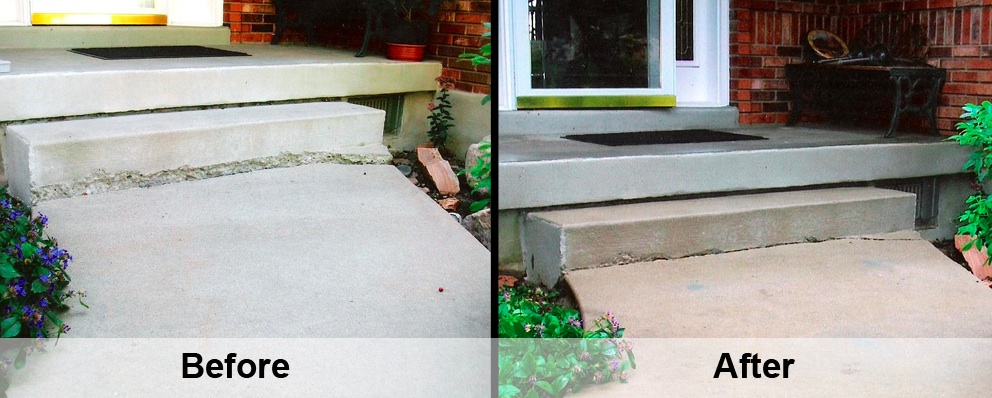
You will be able to tell if your driveway suffers from inadequate support because the slabs will start to sink and become uneven. In this case, professional slabjacking is recommended. The team will drill a hole into the affected slab and inject stabilizing grout beneath the uneven surface, raising it until it is once again level with the rest of the driveway.

Many homeowners believe ripping up and replacing the concrete is the only option when slabs begin to sink, but slabjacking is a more cost-effective and efficient solution, allowing you to continue using your driveway within hours after the procedure.

Before you begin to panic after spotting what seems to be drastic concrete driveway damage, consider hiring a professional repair team like Lift-Up Concrete to restore it to its previous functional and aesthetically pleasing condition.

6 Benefits of Slabjacking

Slabjacking

How can slabjacking help you? If your concrete slab is cracked and sinking and you aren’t sure what to do, you might wonder if you have to replace the entire surface or if there’s an easier way to tackle this important repair project.

Slabjacking is the ideal repair method for many residential and commercial concrete problems. A professional company will drill holes in the affected surface and inject a stabilizing grout beneath the sunken slab, filling the underlying gaps and pushing the slab back into its previous position. The cracks can then be filled and sealed and the slab will look as good as new.

Let’s take a look at six reasons slabjacking can be a better choice than replacement.

Fix Your Concrete in Any Type of Weather

While a complete concrete tear-out job is nearly impossible to conduct in cold weather due to the frozen ground, slabjacking can be done at any time of year, no matter what the temperature. This is helpful when repairs are necessary at businesses that operate year-round.

Fast, Non-Disruptive Process

If you have heavy-duty equipment or storage containers on your concrete slab, don’t worry — you can leave them right where they are. Slabjacking is a powerful repair method, so much so that you do not have to move any weighty items off the surface before the project begins.

Reduce the Mess

Replacing an entire slab is an involved, dusty, messy process. The demolition stage is extensive and noisy, then the debris must be removed before a new slab can be poured. Why remove good concrete just because of a minor crack or sunken area when slabjacking can do the job?

Save Money on Replacement

Cost is also a major consideration. Tearing up concrete and initiating an entire replacement is a significant investment. Slabjacking can be completed for a fraction of the cost, saving homeowners and businesses money.

No Wait Time to Resume Use

If you decide to completely replace concrete, don’t expect to be able to use the surface for a couple of weeks. Concrete can take a month or more to cure. If you regularly drive or operate machinery on the surface, this can present a major inconvenience. Slabjacking repairs have a much shorter wait time before you can resume use. You can begin walking or driving on the repaired concrete within a few hours after the project is complete.

Retain Slab Color

Even if you replace only a portion of your concrete, it will most likely dry a different color than the remaining sections. This can take away from a home’s curb appeal. Keep the original concrete in place and maintain the even coloring that contributes to the aesthetics of the structure.

Interested in finding out if slabjacking is right for your concrete damage? Contact Lift-Up Concrete for a free consultation and receive an estimate on how slabjacking can fix your concrete problems.

6 Reasons for Concrete Damage in Your Basement

Basement Concrete Damage

Do you have unsightly or potentially dangerous concrete damage in your lower level? It’s not uncommon, but some forms are more serious than others. When evaluating your home’s foundation from the inside, be aware of these six possible causes of concrete damage in your basement.

Slow Moisture Leaks

Any type of moisture is detrimental to your home, but especially when it is slowly seeping or leaking into your basement. The leak might originate from the seal surrounding your basement windows. It could be infiltrating cracks in the foundation walls or floor. If you have egress windows, the water may be coming from improper drainage in your window well. Moisture will not only lead to crumbling, it could also cause mold growth, which can compromise your family’s health.

Settlement or Shrinkage

It is virtually impossible to create a concrete structure that does not go through a certain amount of settlement and shrinkage during and after the curing period. Minor cracks due to foundation settling or shrinkage due to water evaporation is nothing to be concerned about to a small degree. When the cracks widen and stretch deep into the foundation wall, it becomes a cause for worry.

Structural Problems

If the home builder did not allow the foundation enough time to cure before beginning construction, it may have severe structural issues. This type of concrete damage may also be the result of not fully compacting the soil before pouring the foundation.

Plumbing Problems

A burst pipe or sewage backflow can damage concrete in your basement. It is vital to have your plumbing examined on a regular basis and any breakdowns in the systems repaired as soon as possible.

Natural Disasters

A flash flood from a rainstorm or melting snow can cause flooding in your lower level. Even if the water does not directly flow into your basement, the added moisture in the soil can put pressure on the external foundation walls. If the pressure is excessive, it could lead to the concrete cracking or buckling, especially in brick foundations. Stress cracks should be repaired as soon as possible to minimize further structural damage.

Extreme Temperatures

The freeze/thaw cycle has a powerful effect on the condition of concrete. Concrete absorbs moisture, which freezes when the temperature drops. Since water expands when frozen, the moisture in the concrete creates internal pressure, which can cause fractures and cracks. After the temperature rises, the ice melts and the concrete returns to its original size. Over time, repeated cycles can result in concrete damage in your basement.

Call Lift-Up Concrete when you are looking for affordable, professional repairs for concrete damage in your basement.

How Does Mudjacking Work?

Mudjacking

Mudjacking is the process of injecting stabilizing material underneath sunken concrete in order to raise it to its previous level. Homeowners, business owners, cities and towns all utilize concrete for surfaces like patios and parking lots. Shifting, broken concrete not only looks ugly, it can cause damage to vehicles and machinery or injury to people. It is vital to fix the issue as soon as possible, and mudjacking is the ideal way to do it.

Why Does Concrete Sink?

Problems with concrete begin even before it is poured. Construction sites often involve digging up soil to pour a foundation or a pool. Afterward, fill dirt is dumped in the empty spaces and concrete is poured on top to create a patio or a walkway.

Some builders are conscientious enough to spend the time and money to compact the fill dirt so it is solid and stable, fit for a concrete structure. Others don’t bother with this step, so pockets of air are left behind in the soil.

Over time, as the air dissipates, the supposedly stable ground on which the concrete was poured begins to shift and sink, which in turn causes the concrete to do the same. This can happen to any degree, but it is always more extreme when the fill dirt was not compacted before concrete construction began.

The Mudjacking Process

Mudjacking, also called slabjacking, is a repair tactic that gets to the root of the problem — filling those empty spaces beneath the concrete with something solid. But instead of approaching the issue like you may think, which would involve tearing up the existing concrete and starting over, mudjacking allows property owners to save money and time by skipping this step.

First, mudjacking specialists drill holes into the sunken concrete. They mix together cement, an aggregate such as sand, and water in order to make a paste. The team injects the grout beneath the sunken concrete using a hydraulic-powered grout pump. The slab slowly rises until it is level once again.

Once the slab is in its rightful place, the drill holes are filled with mortar, and any gaps between the slabs will be patched so the concrete is even and no evidence of the mudjacking process remains.

Materials Needed for the Project

If this project seems straightforward, you have the correct impression. Mudjacking is not a complex process, but it does require a high level of skill and a significant amount of experience in order to complete the project correctly. Professionals must have practiced knowledge on concrete mix types and know how the material will respond, depending on the specific circumstances.

Also, specialized equipment is required to complete the job, including a low-dust-emitting drill and bit designed for rock, a grout mixing machine and a hydraulic pump to inject the stabilizing material. Call Lift-Up Concrete today for a consultation and free estimate. Mudjacking is not a weekend project — it calls for the expertise of professionals.

Can You Prevent Steel Corrosion in Concrete?

Steel Corrosion

Steel corrosion is one of the primary reasons municipal and commercial concrete requires regular repair. Extensive corrosion can threaten the structure’s integrity and pose a serious risk to nearby property and people. What preventive measures are effective at both reducing and eliminating steel corrosion in concrete?

Why Is Steel Used as a Reinforcement Measure?

Concrete requires steel reinforcement to withstand the continual force and stress to which is it continually subjected. Road traffic, exposure to the elements and deicing chemicals can all have a devastating effect, but with the inner support of steel bars and sections, the structures last much longer than they would otherwise.

When the metal corrodes, the bond between the concrete and the metal is broken and the rust occupies more space, pushing on the concrete from the inside. Gradually, the material suffers many stress fractures, resulting in crumbling and cracking, which threaten the entire structure’s stability.

Why Does Steel Corrode?

Steel is normally integrated in concrete in extreme climates in which it is exposed to salt water or ice-melting chemicals. When the chloride found in these substances seeps into the concrete and makes contact with the steel, the corrosive process begins, as long as both water and oxygen are also present. While chloride is the fastest-acting steel corrosive substance, carbons can also create an environment with a neutral chemical balance which can lead to steel corrosion over time.

Preventing Corrosion

The first step in prevention comes before the structure is built, when the concrete is mixed. The water-to-cement ratio must be lowered by adding cement or cement-like substances to increase density and slow the absorption of chloride.

The American Concrete Institute also recommends an adequate amount of concrete cover poured over the steel bars. The cover should be at least 2 inches thick if the structure will come into contact with deicing chemicals and at least 2.5 inches thick for saltwater exposure.

Lengthy curing time frames are required to achieve corrosion protection. Additionally, regular application of water repellants, epoxy coatings or sealers can add further resistance to the structure.

Concrete repair projects can be straightforward and simple for those with experience working with the popular building material, but repairing steel corrosion can be a challenging process best left to a skilled, professional team. Contact Lift-Up Concrete for more information on how correct initial installation and regular maintenance can prevent steel corrosion of your concrete structure.