Category Archives: Blog

Concrete Repair Saves Cities Money

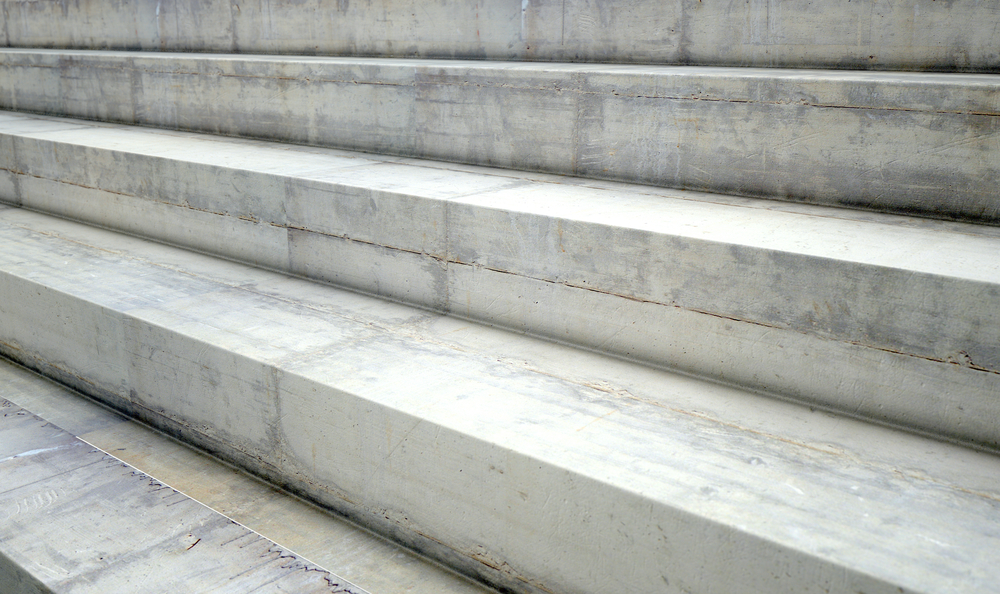
Municipal Concrete Repair

Concrete repair can save cities and towns money, as compared to completely replacing damaged concrete surfaces and structures. And saving money is always positive, especially when your city or town is trying to stick to its budget and stay on track.

Common Causes of Municipal Concrete Damage

Sidewalks and public parks are paved with concrete because it’s economical and it’s one of the most durable building materials available. It can be installed affordably and it lasts for decades.

However, every building material has its weaknesses and tendencies towards damage. Concrete can crumble, crack or sink, due to two main problems:

Settling

Before concrete is poured, the subgrade is supposed to be packed down firmly so no air pockets are left. Even the most technologically advanced tools can’t completely eradicate all the air in the soil. As time goes along, this air escapes and the ground slowly gives way in small increments. With this support gone, concrete can crack and begin to sink.

Frost Heaves

When moisture beneath the concrete freezes, the ground expands and pushes up on the slab. Eventually, the pressure can cause the slab to crack and the surfaces may be pushed apart, raised or sunken as a result.

What Areas Need Repair?

The first step toward repairing the damage is making a comprehensive list of the areas that need professional repair.

Some common ones are:

  • Sidewalks
  • Parking lots
  • Steps
  • Architectural fixtures
  • Parks
  • Sports courts

It’s important to keep your city’s public areas in good repair for aesthetic purposes, but also for safety. If your paved surfaces fall into disrepair and someone is injured as a result, the liability costs could far exceed the costs of both repair and replacement.

Also, think about how much it would cost to rip out the existing concrete and replace it. (Hint: it would be quite expensive.)

What Are Your Options?

Even though some may tell you otherwise, completely replacing these areas is not your only option. Many concrete repair techniques can restore surfaces to their previous level, smooth appearance.

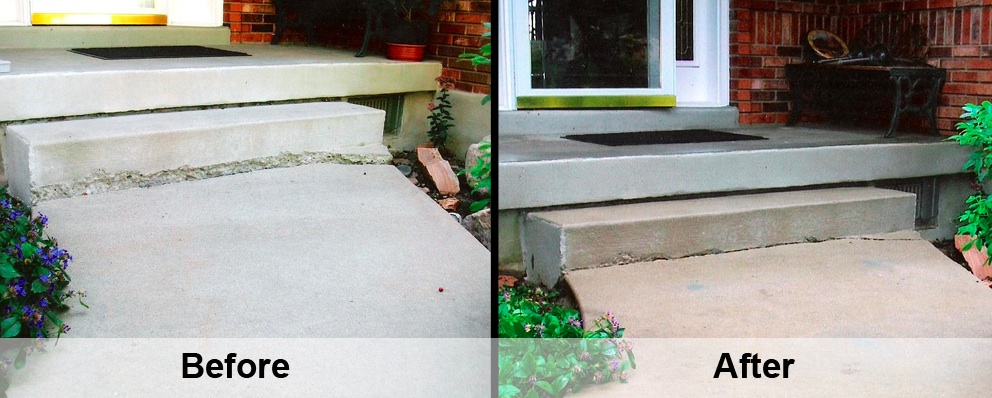
Slabjacking involves drilling inconspicuous holes into sunken surfaces, injecting a stabilizing grout, and raising them to their previous level. Once this is completed, the cracks are filled and you can’t even tell there was ever a problem.

Professional concrete repair service also involves removing tree roots and stabilizing any soil erosion that is causing the damage. Treating the underlying cause will help prevent future repair expenses, and cutting costs is always a benefit.

Hire a Professional Repair Team

Get in touch with Lift-Up Concrete to learn more about how concrete repair is the most affordable, effective option when you need to restore your city or town’s parks, sidewalks and public areas.


Concrete Lifting: Get Your Patio Fixed for Summer Fun

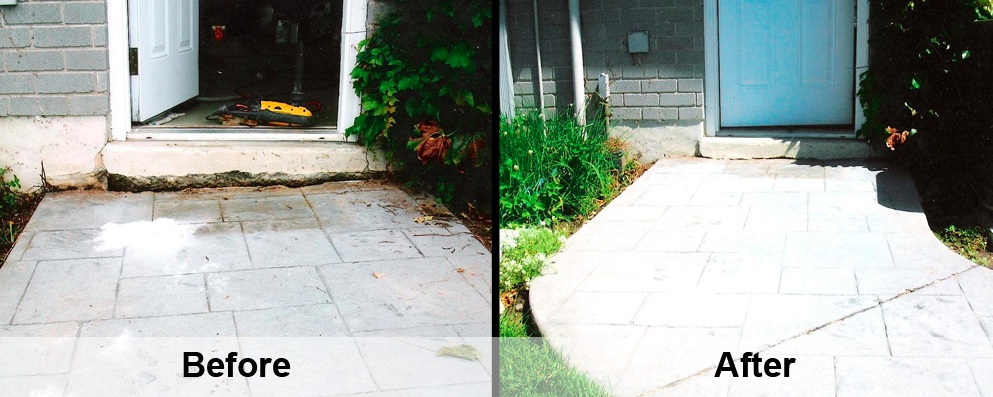
Patio Concrete Lifting

Lifting is an effective, affordable way to make your concrete like new again without having to completely replace it. And with the warm, summer months on the horizon, you are probably thinking about how your worn-down outdoor living spaces need a face-lift.

Before you schedule your first barbecue, consider how concrete lifting can revamp your patio.

Your Patio Suffers Wear and Tear All Year

Concrete is a permeable material, susceptible to damage when subjected to the unforgiving freeze/thaw cycles of winter. Water penetrates concrete then freezes, putting stress on the structure. The ice then melts and freezes again when temperatures change.

Eventually, this can cause cracks in your patio. Once the cracks are deep enough, your slab is more likely to sink or heave.

How Does It Work?

Don’t waste your time and money on tearing out your patio and pouring a new one — not when there is a much faster and more affordable fix available.

Concrete lifting involves drilling a small hole in the surface of the sunken portion of the slab. A grout mixture is injected into this hole, filling the hollow space beneath the patio that is causing it to destabilize.

The grout props up the slab, returning it to its original position, and hardens within a few hours. The surface cracks are then filled and restored, restoring your patio. You can even walk on it the same day!

Will Concrete Lifting Help?

If your patio has heaved or sunken over the course of the long, frigid winter, concrete lifting is most definitely a viable option for repairs.

Maybe the patio’s surface slowly began to crack over time, leading to the sinking of one portion. When older concrete sinks, it is usually because the ground underneath has settled. Newly poured concrete also has the potential to sink, the likely cause being the installation contractor not packing down the soil firmly enough before pouring.

Regardless of the reason for the damage, lifting your concrete can and will stabilize your patio once again — you just need a team of restoration experts to help.

Call for a Free Estimate

Before you take the plunge, you’ll want to know for sure that you’ll get the desired results.

It’s easy to get answers — just call Lift-Up Concrete and ask for a free repair assessment. You can rely on an experienced concrete lifting team to transform your outdoor spaces — just what you need for summertime fun!

The History of Concrete: From Ancient Egypt to Modern-Day Dubai

History of Concrete

The history of concrete spans more than a few decades. Concrete has played a crucial role in architecture for thousands of years. Today, the building material’s function has expanded and isn’t used just for building — it plays a decorative role as well.

How did concrete become one of the most commonly used building materials worldwide?

Egyptian Pyramids and Roman Coliseum

The recipe for concrete includes an aggregate, such as sand or gravel, mixed with water and cement. The Egyptians used an early version of this to build the pyramids. They mixed mud with straw to form bricks, and mixed mortar from gypsum and lime.

Concrete was further perfected during the time of the Roman Empire. One of Rome’s most popular tourist attractions today, and the largest amphitheater ever built, the Coliseum, was constructed out of concrete.

Studies have shown that the Romans used volcanic rock and lime in their mix, along with animal products like blood and milk. Given that many Roman structures are still standing today, you can see that their materials and construction techniques have stood the test of time.

The Creation of Portland Cement

After the fall of the Roman Empire, the art of building with concrete was lost for hundreds of years. It wasn’t until 1824, when Joseph Aspdin of Leeds, England, invented Portland cement, that concrete reclaimed the limelight. Aspdin patented his creation, which came about when he ground up limestone and clay into a chalk and burned off the carbon dioxide in a kiln.

Portland cement got its name from a quarry in England known for its high-quality building stones. It was mainly used to build industrial buildings in the 19th century, but gradually builders began using it for residences, and they added steel bars to reinforce its strength.

Hoover Dam and Grand Coulee Dam

In 1935, the construction of Hoover Dam involved pouring 3.25 million yards of concrete, with another 1.1 million used for related dam structures. Washington’s Grand Coulee Dam went quite a few steps further, using 12 million yards.

High-Rise Construction

While most skyscrapers are made of steel, or a composite of steel and concrete, some high-rises are made entirely of concrete. The Trump International Hotel and Tower in Chicago is built entirely of the material alone. It was completed in 2009 and has 98 floors, reaching a height of 423 meters.

Concrete has enabled mankind to reach new architectural heights, as evidenced by the world’s tallest manmade structure, the Dubai skyscraper Burj Khalifa, which was built with reinforced concrete. It is 829.8 meters tall — 2,722 feet. The building has 160 stories and can hold 35,000 people.

How Else is It Used?

Today, the floors in your home might be made out of concrete, polished to a perfect shine. You might even have them stained a color of your choice, or engraved with a piece of art that adds character to your home. Your countertops could be made of concrete, as well as your backyard fire pit.

The team at Lift-Up Concrete appreciates the long, storied history of concrete. Let us help you restore your concrete slab or structure today with modern techniques that are efficient and affordable.

Landscaping with Concrete: Get Ready for Spring

Landscaping With Concrete

Out of all building materials, concrete is a great one for landscaping.

It is commonly thought of as a paving material, but it can be used for so much more. You know this – maybe you constructed a gorgeous stamped concrete pathway to up your home’s front entrance, or maybe you used concrete to build a functional yet ornamental water feature.

But now, your decorative concrete walkway or fountain has taken the brunt of winter’s brutal weather, and you need to update your property’s look for spring. It’s time to hire a professional concrete lifting team to restore your concrete and increase the curb appeal of your landscaping.

Why Concrete?

There’s a reason concrete is so widely used: It’s durable. You can expect it to last for years, and little maintenance is required. It can withstand bad weather and lots of foot traffic.

Concrete is also versatile. You can incorporate your personalized style by stamping, dyeing or staining it to fit a specific color scheme.

It’s easy to wash, so you can keep dirt and grime from building up. All you have to do is seal it once every few years and it will retain a like-new appearance.

Also, it’s affordable, especially when compared to brick and stone building materials. Landscaping with concrete will still get you the desired results, but you’ll stay within your budget.

You knew all this, and that’s why you invested in a concrete patio or pool deck to improve your home’s landscaping. But what happens when shifting and settling leave you with a crumbling, cracking, sinking concrete structure?

What Should You Do When Your Concrete is Sinking?

No matter what type of concrete you use, you always have the risk that you’ll run into problems as the building material settles over time. When the contractor initially installed the concrete, whether they built you a fire pit or a walkway, they probably made sure to integrate control joints but even this precaution isn’t always enough.

Concrete can become an eyesore when the air pockets in the soil beneath the slab evaporate. Since the foundation is gone, concrete structures can shift and sink, leaving you with an uneven surface that is not only unattractive but is also unsafe.

Even though it may seem counterintuitive, you don’t have to rip it all up and start over. Your concrete can be fixed, especially with modern techniques like slabjacking.

If your walkway, staircase or driveway is cracked and/or crumbling, consider hiring a contractor to inject grout beneath the surface to raise the structure and level it. Then finish it with a decorative, attractive seal.

Hire a Professional Team

Lift-Up Concrete is the team you should rely on for concrete repairs in your efforts to increase your yard’s curb appeal this spring season. Don’t give up on your patio, walkway or staircase. Landscaping with concrete was the right move, now Lift-Up Concrete can help you improve and restore your home’s outdoor aesthetics this spring.

Commercial Concrete Repair Can Reduce Your Liability

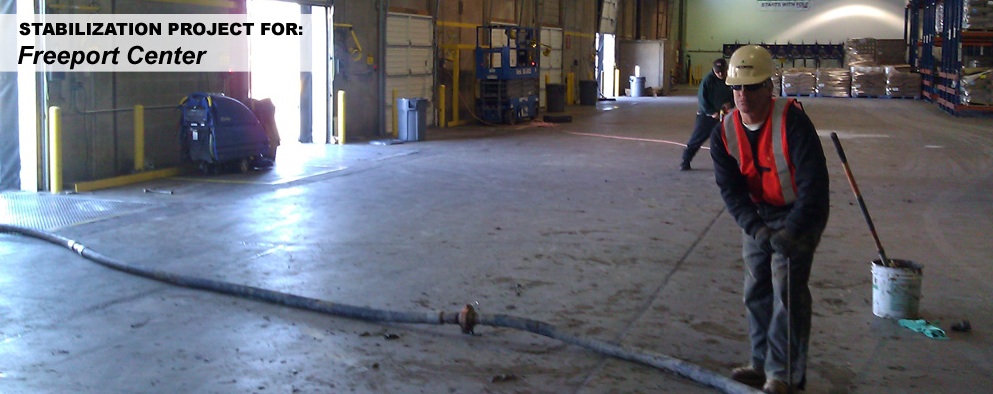
Commercial Concrete Repair

You’re starting to think you should call a commercial concrete repair company. That crumbling walkway and sinking set of stairs are beginning to become quite an eyesore.

Put curb appeal aside for a minute and consider another issue: If someone is hurt on your property, you could be held responsible if the cause for the injury was due to negligence on your part. Failure to take care of your commercial concrete won’t only hurt your image, it can hurt your reputation and your finances.

Could You Be Liable for Injuries?

You might think you aren’t the responsible party, especially if you are renting the commercial space where your business is located, but this isn’t the case. Typically, when it comes to proving liability in injury cases, it comes down to who is in control of the property.

If you signed a commercial lease and took possession of the building, you will most likely be considered the responsible party. The only case where you would not be held liable is if the property was already in its current condition before your company took possession, but this would have to be proven in order to clear your business of liability.

Even if you’re the owner of a commercial building and you’ve rented it out to business tenants, it’s in your best interests to make sure all areas of the property are structurally safe, with no risk to customers. You will protect yourself from lawsuits and maintain the value of your property by keeping it in good condition.

What Are Signs Your Commercial Concrete Needs Repair?

On the inside of the building, you might notice the concrete floors have shifted or are uneven. The surface may have cracks. Moisture stains, a mildew smell, insect infestations or a simple musty odor could permeate the space.

On the exterior of the building, you might see that the entry walkway or stairs are crumbling or cracked. Concrete parking lots might have surface corrosion from repeated freeze/thaw cycles. Any wide cracks or uneven surfaces significantly raise the risk of customer injury.

The structure itself might be compromised if the metal bars are corroded, leading to an overall weakening of the building.

Cost-Effective Solutions Are Key

When you’re planning a commercial concrete repair project, complete demolition is not always the best use of your funds. Ripping up a concrete structure, especially if it involves a part of the building’s support system, can get expensive if it includes demolition, excavation and the pouring of an entirely new structure.

Instead, it’s better to investigate your commercial concrete repair options. This could include slabjacking – a straightforward process that involves stabilizing the concrete structure without completely removing it, then filling in the cracks and refinishing the surface until it looks like new.

The fact is, plenty of commercial concrete repair alternatives can save you money, and Lift-Up Concrete can help.

Concrete Steps: Replace or Repair?

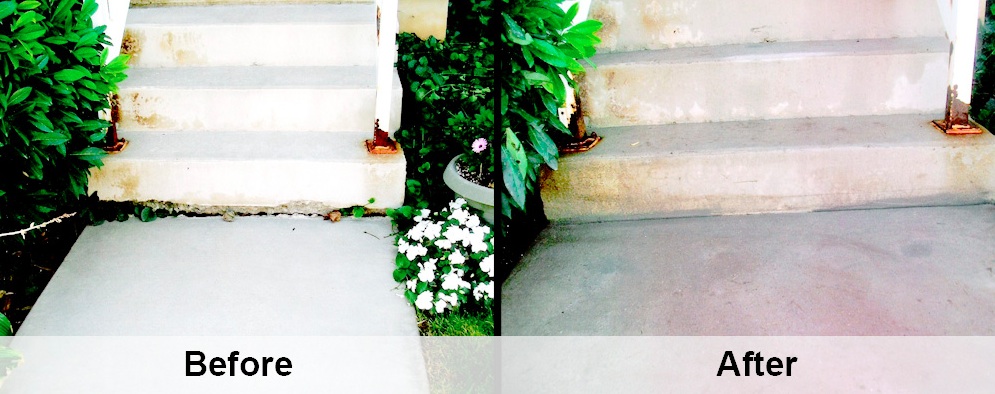
Concrete Steps

Are your concrete steps chipped, cracked or sunken?

Maybe you’ve tripped on them due to the damage, and you hold your breath every time a guest walks up or down. It’s time to consider either a major repair or a complete replacement, but it’s hard to know which is better.

Deciding on the Right Course of Action

You’ve heard it before, or maybe even read about it on this website — concrete is one of the most durable building materials in the world. So why are your concrete steps showing significant, dangerous signs of wear?

In many cases, concrete damage occurs because of outside influences. In specific regard to concrete staircases, the underlying ground may have shifted. Some soil may have been washed away due to heavy rain or melting snow. This easily can lead to sinking and cracking of the concrete, since the foundation has dissolved.

Think About the Total Cost of Replacement

You might have a certain view of concrete in your mind. “It’s affordable — I’ll just have a new set of stairs poured!”

This option definitely should be on your list of possibilities, and concrete is absolutely a low-priced building material, but don’t forget to consider all of the other costs involved with a complete replacement.

You have to pay for an excavator to come and demolish your current set of concrete steps. Once the debris is lugged away, you’ll have to pay for a contractor to solidify the base for your new stairs.

When the steps are finally poured, they’ll have to cure for days, weeks or even months. And once the contractors clear out, you’ll probably have to remedy any damage to your surrounding landscape.

In short, it’s not only cost you have to think about when considering a complete replacement project, you have to think about the time it will take as well.

Benefits of Slabjacking Repair

Thankfully, you have convenient and affordable alternatives for sunken, cracked or crumbling concrete steps. You don’t have to wait until the ground thaws in the spring. You don’t have to stay off the stairs once the repair is complete — you can start walking on them just a few hours later.

This is how it works: Your concrete repair contractor’s team drills small holes into the sunken areas. They inject a grout-like substance beneath the stairs that lifts the entire structure back to its original position. Then all the cracks are filled, and the steps are sealed and refinished.

This process takes a matter of hours versus days, making it a less expensive choice. You’re also eliminating needless waste and getting more use out of your original concrete steps — a definite plus for the environment.

Talk to the team at Lift-Up Concrete and see why repairing concrete steps through the slabjacking method could be the solution you’re looking for to restore your home’s curb appeal and safety.

Negative Effects of Concrete Settling on Your Porch or Patio

Concrete Settling

Typical concrete settling or unexpected ground shifting can ruin the looks of your porch or patio. Crumbling, sinking and cracking slabs also can pose a safety hazard to those who walk on them.

What Causes Settling?

Concrete settles for many reasons. Sometimes the situation could have been prevented by proper installation, while other times settling is the result of uncontrollable weather patterns.

For instance, contractors who do subpar work might not adequately tamp down the underlayment before installation. Concrete needs a firm, solid foundation, or else air and moisture will leak out and evaporate, creating a chasm between the structure and its foundation.

This ― you guessed it ― leads to concrete settling.

In other situations, a sudden influx of water, such as from flooding or major snowmelt, can wash away soil from beneath concrete’s surface, reducing the support system significantly. An inadequate building drainage system can contribute to this problem.

Which Repairs Work?

When your concrete porch or patio settles, or just one portion of the structure settles, you could see many different types of damage. For example, shifting concrete stairs could begin to pull away, leaving a gap between the them and the porch. This is a unsightly, but if the stairs lead directly to your home, the gap can expose the door frame and siding to moisture penetration, which could lead to premature rotting.

Tearing up a concrete set of stairs, porch or patio is no easy task. Making a repair is a much simpler, more affordable and more realistic route, especially if you use the slab often.

Repair contractors can drill a small hole into the affected section and inject a type of grout that will raise the structure back to its original position ― this is called slabjacking.

Once complete, the grout that was injected beneath the structure hardens and establishes a new foundation that will limit future concrete settling. It’s a popular repair for damaged concrete porches and patios because it is a low-cost option that allows you to begin using the surface again within a few hours.

Get a Professional Assessment Today

Acting now will prevent any damage from getting worse. Talk to a professional repair contractor who can make an accurate diagnosis and address the problem appropriately.

In many cases, this means slabjacking your concrete patio or porch so that the sinking stops and the cracks can be sealed.

For top-notch work that will stop the concrete on your porch or patio from settling and restore it to its previous smooth, even appearance, contact Lift-Up Concrete.

How Does a Drought Affect Concrete?

Drought

Drought — one of the extreme weather conditions affecting many areas of the United States today –– can also impact the stability of your home and surrounding structures, especially if they’re made of concrete.

If your region is experiencing a drought, it’s vital to stay aware of how it’s affecting your home, and not just your landscaping. You should look at your concrete structures on a regular basis, and if you notice any damage, call a professional for repairs before it gets worse. Proper concrete care starts with understanding exactly how a drought can destroy this material.

Stability Necessary

Concrete is one of the most long-lasting, durable building materials in the world. But its strength is not magical — it’s a result of careful product mixing and expert installation.

The appropriate amount of water must be added to the initial mix, it must cure for a the right amount of time before you use it, and it must be formed on a stable, compact surface. If these conditions are not met, the concrete is not as secure as you may think.

The Effects of Drought

While concrete installation companies may add the appropriate amount of water before pouring concrete during a drought, the water may evaporate faster than expected during the curing process, leaving the material more brittle than it should have been.

Also, installing concrete on a dry, cracked soil platform will only lead to ruin. When rain finally does arrive, the soil will expand and push the structure out of position. The inverse situation can also cause problems.

If the material is poured when soil maintains normal moisture levels, a sudden lack of moisture also can lead to shrinking of the structure’s base, cracking and sinking.

What Does This Mean for Your Concrete?

As you may guess, for a durable structure that withstands the test of time, installing concrete during a drought is not recommended. Of course, you cannot control weather patterns, and if you live in a drought-prone area, your concrete is going to have to endure throughout these extreme conditions.

You can take steps to limit drought’s effects on your concrete. You may have restrictions on water usage during a drought, but if you begin to notice cracking in your driveway or patio, soak the surrounding ground with water if you can.

If your home has a concrete foundation and you notice that the soil is beginning to pull away from the sides, follow the same routine and make sure the ground is moist to limit shifting of the concrete.

When Do You Need Expert, Professional Repair?

In some cases, damage may be too extreme and you will need to call in a professional. Don’t worry — you don’t have to tear up your concrete and start from scratch. Reliable concrete repair contractors use many expert methods that can immediately restore your concrete to its previous even and stable condition.

For example, your contractor may use slabjacking to inject stabilizing grout beneath the surface of a slab, raising it back up to its previous position and sealing the crack so it looks like new. While minor, superficial surface wear is less of a concern, but once cracks widen and your concrete begins to sink, it’s time to contact a professional team for an assessment.

Talk to Lift-Up Concrete about all of your concrete repair needs, especially if a drought has devastated your once smooth, established slab or structure.

New Way to Prevent the Need for Concrete Repair: “Thirsty” Concrete

Topmix Thirsty Concrete

Concrete will eventually need repair no matter what, but one company has invented a product that helps preserve concrete surfaces while simultaneously reducing flooding and conserving and recycling water.

The new product on the market ― Topmix Permeable ― was developed by Tarmac, a sustainable building materials producer in the UK.

How Does it Work?

Regular concrete is somewhat absorbent, but Tarmac’s “thirsty concrete” has the capability to consume over 1,000 gallons of water in the first minute. On average, the company reports that 1 square meter of Topmix Permeable absorbs 600 liters, or 159 gallons, per minute.

How is this possible?

The mix has an upper permeable layer composed of larger pebbles of granite, which allows water to seep down to the next layer, which is composed of looser rubble. Within this rubble are drains that route water through and direct it back into the city’s water system.

The surfaces also can be installed to direct water back into the ground for reabsorption or captured for other reuse purposes, including irrigation.

While permeable concrete is nothing new to the industry, using it as the top layer is revolutionary. Previously, permeable concrete has not been strong enough to withstand the weight of regular vehicle traffic, but Tarmac’s product remedies this solution.

How Will the New Technology Mitigate Flooding?

Flooding is a major problem in many areas around the world. Homes and businesses are ruined when drainage systems are not able to handle sudden flash flooding, but permeable surfaces can help. Tarmac’s product also can act as a reservoir for excess water that city’s drainage system can process fast enough.

An added benefit is cooling ― when water is held beneath the surface, it cools the concrete and reduces surface temperature, decreasing the heat island effect.

Potential Drawbacks

Topmix Permeable can provide many flood-prevention and water-reuse benefits, but it has its limitations too. Once the water enters the underlying rubble layer, it has the potential to freeze if temperatures drop. Frozen water that expands could ruin the installation, so Tarmac does not recommend using their product in any location where freezing temperatures are common.

With concrete as one of the most popular building materials in the world, it is no surprise that companies are focusing on ways to transform and increase its current usefulness and longevity.

Keep your concrete in good shape ― contact Lift-Up Concrete for all of your concrete repair projects, and for more information on how to boost your concrete’s environmental friendliness.

What’s the Best Way to Get Ice off of Concrete?

You’ve heard that deicing salts are not ideal when you need to get ice off your concrete sidewalk, driveway or other surface. Which types are especially unfit for use and which will cause the least damage?

Salt on sidewalk

It’s wise to do research before you learn the hard way, when your concrete cracks and crumbles before its time. Be prepared this winter and learn how to remove ice from concrete effectively, causing the least damage in the process.

How Does Salt Hurt Concrete?

Concrete is one of the strongest building materials, but it also absorbs moisture. When salt is sprinkled on concrete coated in ice, the ice melts and the water permeates the concrete.Concrete spalling
If the temperature drops soon after, the water in the top layer of the concrete freezes and expands. This leads to an increase of pressure that can lead to spalling (breakage of the top layer).

Salt makes this issue even worse, since it’s hygroscopic, meaning it attracts water. Concrete covered in deicing salt will have an increased level of moisture saturation, and the damage from the water’s expansion will be more drastic.

Are Any Deicing Chemicals Safe?

Sodium chloride is the most common deicing salt, but not only will it harm concrete, the salt in the runoff can pollute nearby bodies of water. Calcium chloride is even more dangerous than sodium chloride, because its chemical properties can degrade concrete.

Two other modern deicing salts are also offered at many hardware stores, including potassium chloride and magnesium chloride. Potassium chloride only melts above 15 degrees Fahrenheit and is less harmful to the environment and humans, but it can still have a devastating effect on a concrete surface.

Magnesium chloride releases the least amount of chloride and therefore is the least damaging, so it can be used when necessary, but never on concrete that has not completed the curing period.

While you may hear that you can use fertilizer to remove ice from concrete, this usually is not recommended. Many fertilizers contain ammonium nitrate and ammonium sulfate, both of which break down the material.

Which Option Should You Use?

The best way to deal with ice on concrete is to prevent buildup in the first place. Whenever it snows, immediately remove the top layer before it has a chance to freeze into place.

It’s safe to use a snowblower or shovel on your patio, steps or driveway, but make sure you clear away all sticks, leaves and rocks before winter begins to make the snow removal process easier.

Once you have cleared the snow away, spread sand or kitty litter on the areas where you need to reduce the chance of slipping, but be aware that these materials will probably get tracked into your house.

You also can spread gravel or hay on top, but you will have a hefty cleanup job when spring arrives.

Want more advice? Talk to the specialists at Lift-Up Concrete. We can talk to you about the best ways to remove ice from concrete without damaging it.