
Concrete is valued for its durability and strength, but like any material, it isn’t invincible. Over time, environmental conditions, heavy use, and shifting soils can impact the integrity of different concrete surfaces. Knowing the typical lifespan of concrete and recognizing when concrete repair is necessary can save you significant time, money, and frustration.
Typical Lifespan of Concrete Surfaces
The expected lifespan of concrete varies depending on its application, exposure, and maintenance. Here’s a general guide:
- Driveways: 25–30 years
- Sidewalks and Walkways: 20–30 years
- Garage Floors: 30–40 years
- Patios and Outdoor Slabs: 20–30 years
- Commercial Concrete Surfaces: 30–50 years with proper care
While these numbers offer a rough timeline, actual lifespan can vary greatly based on installation quality, climate conditions, and how the concrete is used and maintained.
Factors That Lead to Early Concrete Damage
Several external factors can cause concrete to deteriorate earlier than expected:
- Freeze-Thaw Cycles: In areas like Utah, repeated freezing and thawing can expand and contract the concrete, leading to cracks and movement.
- Poor Drainage: Water pooling around concrete can weaken the soil underneath, causing sinking or heaving.
- Heavy Loads: Vehicles, equipment, and even improper furniture placement can put excess stress on concrete surfaces.
- Subpar Installation: Poor workmanship or inadequate curing during installation can significantly shorten concrete’s lifespan.
Recognizing these risks early allows you to address minor issues before they become major structural problems.
Signs That Concrete Repair Is Necessary
Understanding when to invest in concrete repair instead of waiting for complete failure can extend the life of your surfaces. Look for these warning signs:
- Cracks: Hairline cracks may seem minor but can widen and worsen with time. Early repair can prevent deeper structural damage.
- Sinking or Settling: If parts of your driveway, walkway, or patio appear lower than others, soil shifting is likely at fault.
- Uneven Surfaces: Trip hazards aren’t just dangerous—they can also indicate a bigger foundational problem.
- Pooling Water: Water that collects in certain spots may point to drainage or leveling issues.
- Surface Wear: Spalling (surface flaking) and chipping can expose deeper layers to damage if not repaired promptly.
When these signs appear, timely intervention with concrete repair can restore strength and appearance without the higher cost of full replacement.
Repair vs. Replacement: Making the Right Call
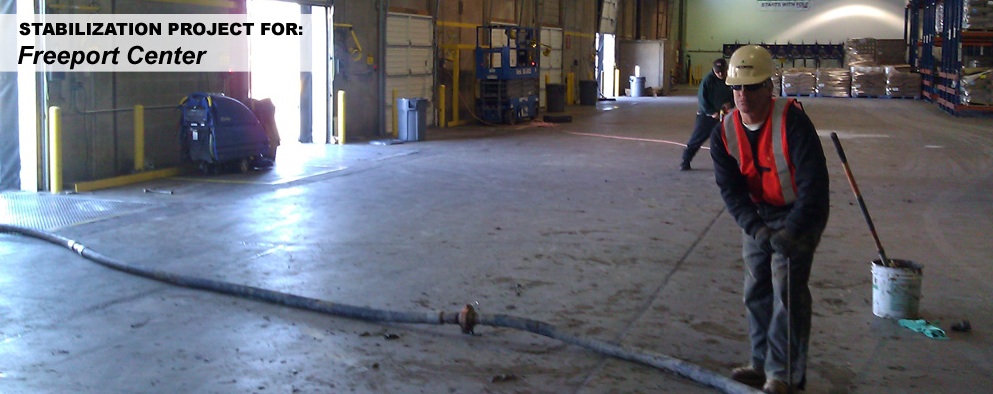
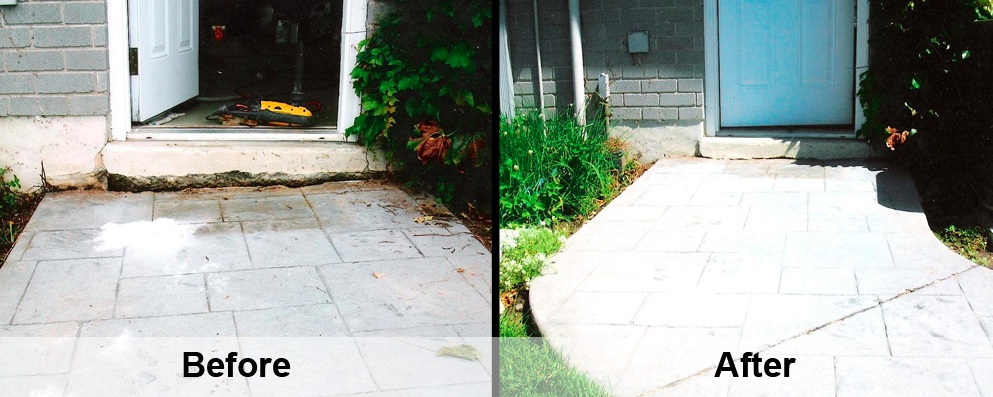
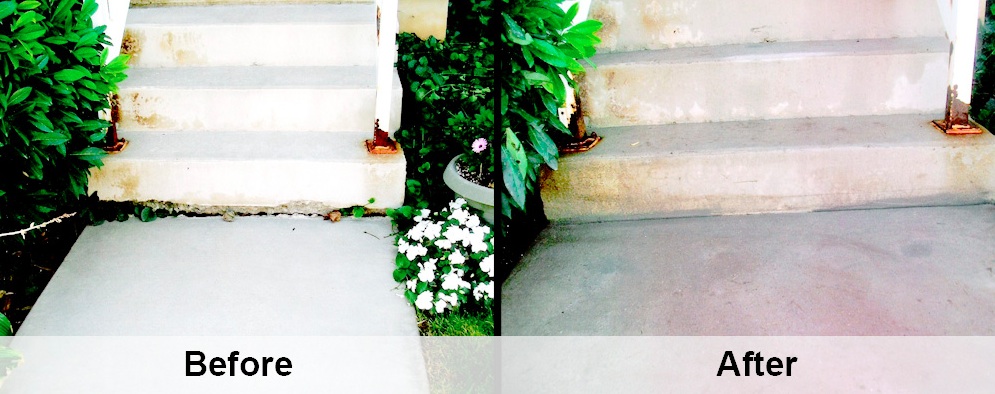
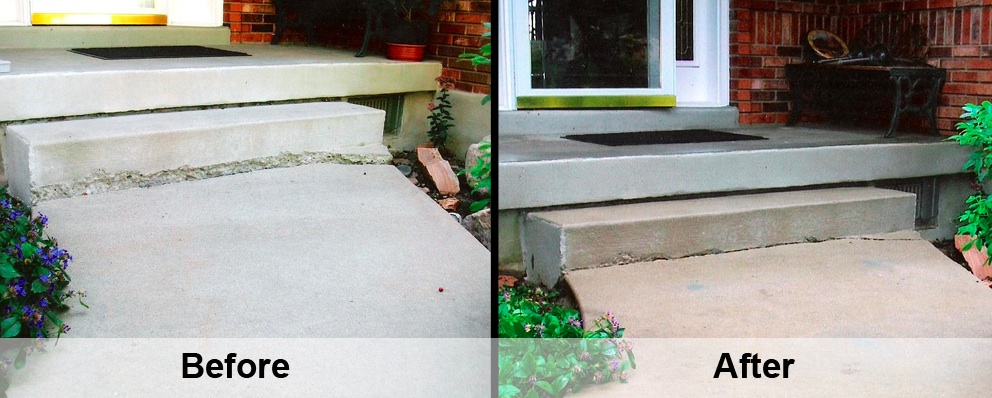
Not all damage calls for new concrete. In many cases, professional concrete repair, such as lifting and leveling sunken slabs, can restore surfaces effectively and affordably. Techniques like polyurethane foam injection offer a fast, durable, and minimally invasive solution for many common problems.
However, if the concrete is extensively cracked, crumbling, or has widespread foundational issues, replacement might be the better long-term investment. A qualified professional can assess the situation and recommend the right solution based on the extent of the damage.
Protecting Your Concrete Investment
Regular maintenance, including sealing, proper drainage management, and avoiding heavy, concentrated loads, can significantly extend the life of your concrete surfaces. Acting early when issues arise keeps repair costs low and helps you avoid major reconstruction.
If you suspect your concrete needs attention, trust the experts at Lift Up Concrete Lifting. Their experienced team specializes in quick, reliable concrete repair that restores safety, functionality, and aesthetics—saving you time and money.