Category Archives: Blog

mud jacking

The Benefits of Mud Jacking for Uneven Driveways and Sidewalks

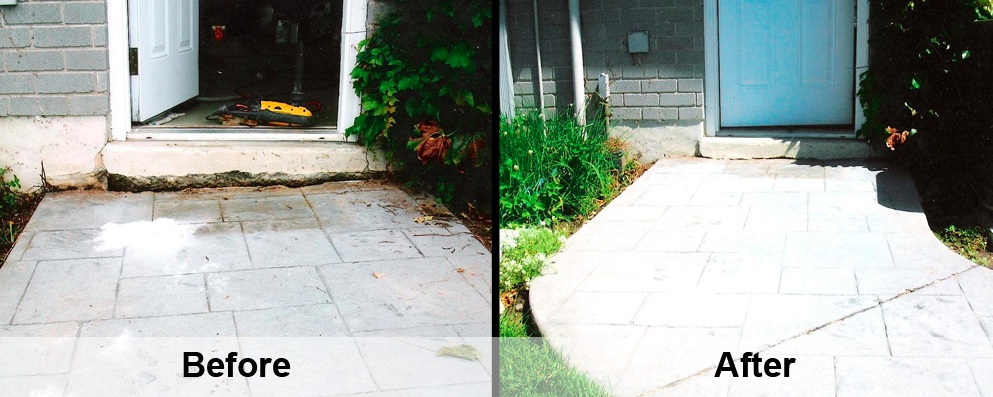
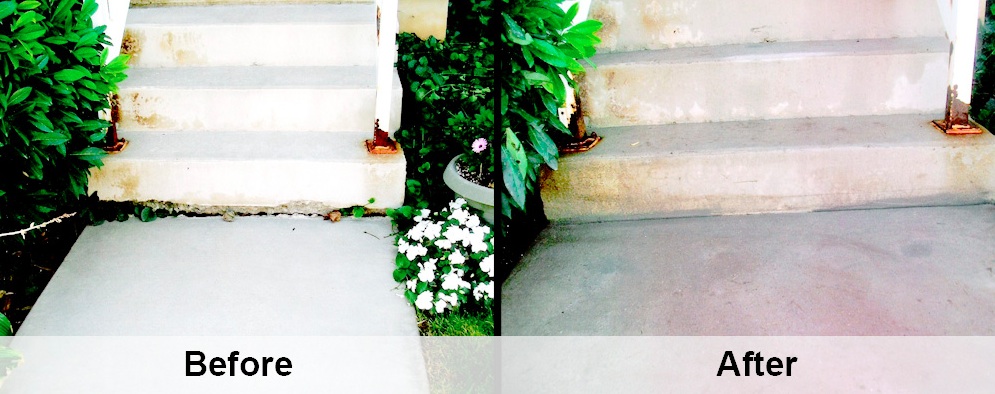
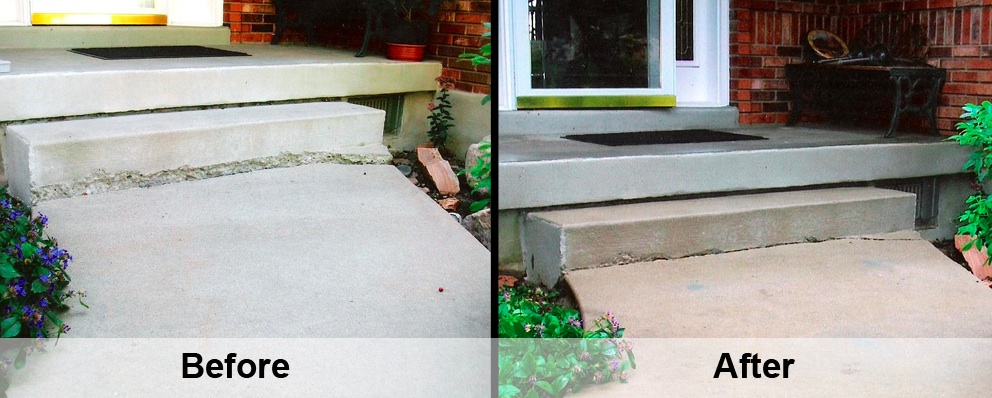
If you’ve noticed your driveway or sidewalk sinking, cracking, or tilting, you’re not alone. Uneven concrete is a common problem in Utah, thanks to shifting soil, freeze-thaw cycles, and moisture changes. One of the most effective, budget-friendly ways to fix this issue is mud jacking—a time-tested method for lifting and leveling concrete without the cost and hassle of full replacement.

What Is Mud Jacking?

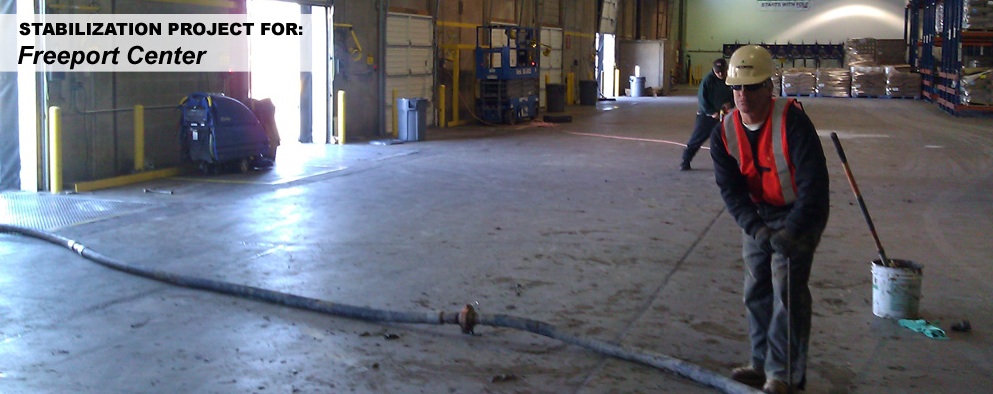
Mud jacking, also known as slab jacking, is a concrete repair process that involves pumping a cement-based slurry beneath the surface to fill gaps and lift the slab back into place. This technique restores the structural integrity and appearance of driveways, sidewalks, patios, and more—often in just a few hours.

Why Choose Mud Jacking Over Replacement?

Replacing concrete can be expensive, time-consuming, and disruptive. Mud jacking offers several advantages that make it a smarter choice for many homeowners and property managers:

Cost-Effective Solution

Mud jacking is typically 50–75% cheaper than tearing out and replacing concrete. You get the same level surface without the high price tag.

Fast Turnaround

Most mud jacking projects are completed in a single day, meaning minimal disruption to your daily routine. You can often walk or drive on the surface within 24 hours.

Long-Lasting Results

When done by experts like Lift Up Concrete Lifting, mud jacking can last for many years, especially when underlying issues like drainage are addressed.

Eco-Friendly Repair

By reusing your existing concrete instead of dumping it in a landfill, mud jacking reduces waste and the environmental impact of your repair project.

Ideal for Driveways and Sidewalks

Uneven driveways and sidewalks are more than just an eyesore—they can also be safety hazards. Raised edges can cause trips and falls, while sloped surfaces can lead to drainage problems that make the damage worse over time.

With mud jacking, your concrete can be leveled quickly, restoring curb appeal and eliminating safety concerns without the need for major construction work.

How Mud Jacking Works Step-by-Step

  1. Assessment – The damaged area is inspected to determine the best injection points.
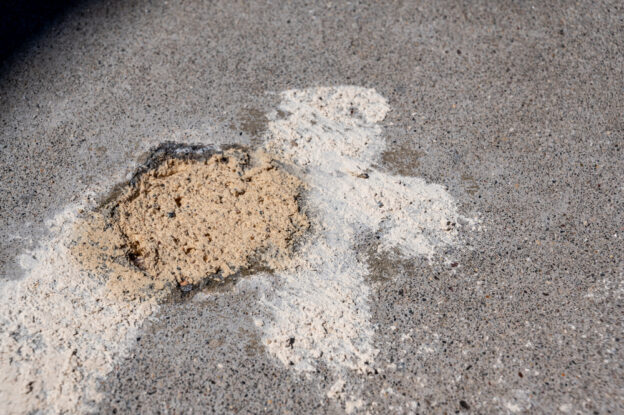
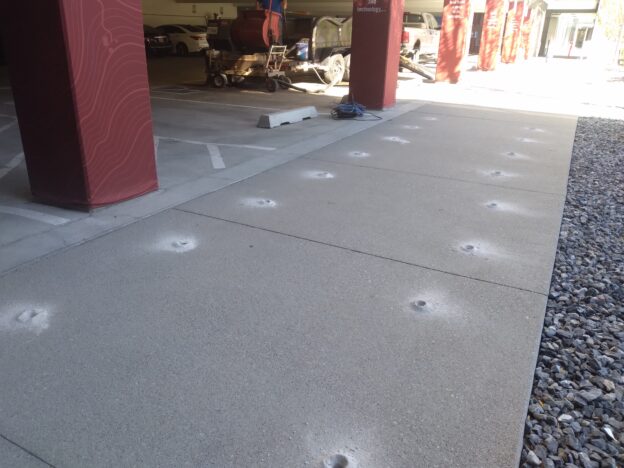
  2. Drilling Small Holes – Small holes (about the size of a quarter) are drilled into the slab.
  3. Injecting Slurry – A cement-based mixture is pumped under the slab to fill voids and raise the surface.
  4. Finishing – The holes are sealed, and the area is cleaned, leaving your concrete level and ready for use.

Why Choose Lift Up Concrete Lifting for Mud Jacking in Utah?

At Lift Up Concrete Lifting, we combine years of expertise with proven techniques to deliver lasting results. We use high-quality materials, address the root causes of settlement, and ensure every job meets our high standards of safety and workmanship.

Whether you’re dealing with an uneven driveway, a tilted sidewalk, or other sunken concrete, we provide a cost-effective, durable solution that restores both function and appearance.

slab jacking

How Long Does Slab Jacking Last?

When concrete surfaces like driveways, patios, or walkways begin to sink or shift, slab jacking is often the most practical and cost-effective solution. But if you’re investing in this repair method, you likely want to know how long it will last. The answer depends on several factors—but when done correctly, slab jacking can provide years, even decades, of reliable support.

What Is Slab Jacking?

Slab jacking is a concrete repair method used to raise sunken or uneven slabs. It works by injecting material beneath the concrete to fill empty spaces and lift it back to its proper position. Traditional slab jacking uses a cement-based slurry, while modern methods may use polyurethane foam for a lighter, faster-setting alternative.

Average Lifespan of Slab Jacking Repairs

Traditional slab jacking generally lasts 5 to 10 years, depending on the soil conditions, drainage, and quality of the work. With polyurethane foam injection, the lifespan can extend well beyond 10 years, often lasting as long as the concrete itself when soil movement and water issues are properly managed.

The key takeaway: slab jacking isn’t just a quick fix—it can be a long-lasting solution if applied under the right circumstances.

Factors That Affect Longevity

Soil Conditions

Slab jacking fills voids caused by shifting or settling soil. If those soil conditions continue to change—due to poor compaction or high moisture content—the slab may settle again.

Drainage

Improper drainage is a major contributor to concrete settlement. If water continues to seep under the slab after repair, it can erode the soil and shorten the life of the lift.

Weight and Usage

Heavily used surfaces—like driveways supporting large vehicles—experience more stress than a lightly used walkway or patio. While slab jacking strengthens the slab, its longevity depends on how well it’s maintained after the repair.

Repair Method and Materials

Mud jacking and polyurethane slab jacking each have advantages, but polyurethane tends to provide longer-lasting support due to its resistance to moisture and erosion.

Quality of Installation

A properly performed repair makes all the difference. At Lift Up Concrete Lifting, we take the time to evaluate each site and use high-quality materials to ensure long-term stability.

How to Extend the Life of Your Slab Jacking Repair

  • Fix drainage issues—Make sure water flows away from your concrete.
  • Seal cracks—Prevent water from entering and affecting the subgrade.
  • Avoid overloading—Distribute heavy weight across larger areas.
  • Schedule inspections—Identify early signs of settling before they get worse.

When to Choose Slab Jacking

If your concrete is still structurally sound but has settled or become uneven, slab jacking is usually the right call. It’s faster and more affordable than replacement, and it preserves the original slab. For residential, commercial, and municipal applications, slab jacking is a smart, low-disruption solution.

Trust the Experts at Lift Up Concrete Lifting

At Lift Up Concrete Lifting, we’ve helped hundreds of Utah property owners restore their concrete surfaces using both traditional and polyurethane slab jacking methods. Our team provides honest assessments and quality workmanship to ensure your repair lasts as long as possible.

Common Myths About Mud Jacking: Debunking Misconceptions

Common Myths About Mud Jacking: Debunking Misconceptions

When it comes to lifting and leveling sunken concrete, mud jacking is one of the most well-known repair methods. But over time, misinformation has created confusion about what mud jacking is, how effective it is, and when it should be used. In this article, we’ll break down the most common myths about mud jacking and separate fact from fiction.

Mud Jacking Is a Temporary Fix

Truth: While mud jacking doesn’t last forever, it’s far from a “band-aid solution.” When performed correctly and in the right conditions, mud jacking can last 5 to 10 years or more. The longevity largely depends on soil conditions and drainage. However, for even longer-lasting results, many professionals now recommend polyurethane foam injection, which resists erosion and water infiltration better than traditional mud jacking materials.

It’s Cheaper to Replace the Concrete

Truth: Replacing concrete is almost always more expensive. Mud jacking is one of the most cost-effective ways to restore a sunken slab, typically costing a fraction of what full replacement would. Plus, it eliminates demolition, removal, and long cure times. If the concrete is structurally sound but uneven, mud jacking or modern alternatives can save thousands.

Mud Jacking Is Outdated and Ineffective

Truth: While newer methods like polyurethane foam lifting are gaining popularity, that doesn’t mean mud jacking is obsolete. Mud jacking remains a viable solution, especially for large, heavy slabs that don’t require the precision or lightweight material offered by foam. It’s still widely used and effective when the conditions are right.

All Concrete Settling Means You Need Replacement

Truth: Settling doesn’t always mean your concrete is beyond saving. Often, the surface is still structurally intact—it just needs lifting. Mud jacking raises the slab by injecting a slurry mixture beneath it, filling voids and stabilizing the ground. It’s a proven technique for sidewalks, driveways, patios, and more. Replacing concrete is only necessary when there’s extensive cracking, crumbling, or foundational failure.

Mud Jacking Will Ruin My Yard

Truth: Mud jacking is a non-invasive process. The equipment is relatively compact, and only small holes are drilled into the existing slab to inject the material. These holes are filled and sealed after the job. There’s no heavy demolition, and your surrounding landscape remains largely undisturbed.

It Doesn’t Work in Cold Climates

Truth: Mud jacking has been used successfully in cold climates for decades. In areas like Utah, where freeze-thaw cycles are common, it remains an effective way to address sunken concrete. The key is working with a qualified contractor who understands how local soil conditions and weather affect the ground beneath your slab.

Bottom Line

Mud jacking is a tried-and-true concrete repair method that still serves many homeowners and businesses well. While it may not be the best fit for every situation, the idea that it’s outdated or ineffective simply isn’t true. If your concrete is sinking or uneven, don’t assume you need a full replacement—explore your options.

At Lift Up Concrete Lifting, we provide honest, expert assessments and tailor our repair solutions to your needs. Whether it’s mud jacking or a more advanced technique like polyurethane injection, we’ll help you restore your concrete safely, affordably, and with lasting results.

Understanding the Lifespan of Different Concrete Surfaces: When Is Repair Necessary?

Understanding the Lifespan of Different Concrete Surfaces: When Is Repair Necessary?

Concrete is valued for its durability and strength, but like any material, it isn’t invincible. Over time, environmental conditions, heavy use, and shifting soils can impact the integrity of different concrete surfaces. Knowing the typical lifespan of concrete and recognizing when concrete repair is necessary can save you significant time, money, and frustration.

Typical Lifespan of Concrete Surfaces

The expected lifespan of concrete varies depending on its application, exposure, and maintenance. Here’s a general guide:

  • Driveways: 25–30 years
  • Sidewalks and Walkways: 20–30 years
  • Garage Floors: 30–40 years
  • Patios and Outdoor Slabs: 20–30 years
  • Commercial Concrete Surfaces: 30–50 years with proper care

While these numbers offer a rough timeline, actual lifespan can vary greatly based on installation quality, climate conditions, and how the concrete is used and maintained.

Factors That Lead to Early Concrete Damage

Several external factors can cause concrete to deteriorate earlier than expected:

  • Freeze-Thaw Cycles: In areas like Utah, repeated freezing and thawing can expand and contract the concrete, leading to cracks and movement.
  • Poor Drainage: Water pooling around concrete can weaken the soil underneath, causing sinking or heaving.
  • Heavy Loads: Vehicles, equipment, and even improper furniture placement can put excess stress on concrete surfaces.
  • Subpar Installation: Poor workmanship or inadequate curing during installation can significantly shorten concrete’s lifespan.

Recognizing these risks early allows you to address minor issues before they become major structural problems.

Signs That Concrete Repair Is Necessary

Understanding when to invest in concrete repair instead of waiting for complete failure can extend the life of your surfaces. Look for these warning signs:

  • Cracks: Hairline cracks may seem minor but can widen and worsen with time. Early repair can prevent deeper structural damage.
  • Sinking or Settling: If parts of your driveway, walkway, or patio appear lower than others, soil shifting is likely at fault.
  • Uneven Surfaces: Trip hazards aren’t just dangerous—they can also indicate a bigger foundational problem.
  • Pooling Water: Water that collects in certain spots may point to drainage or leveling issues.
  • Surface Wear: Spalling (surface flaking) and chipping can expose deeper layers to damage if not repaired promptly.

When these signs appear, timely intervention with concrete repair can restore strength and appearance without the higher cost of full replacement.

Repair vs. Replacement: Making the Right Call

Not all damage calls for new concrete. In many cases, professional concrete repair, such as lifting and leveling sunken slabs, can restore surfaces effectively and affordably. Techniques like polyurethane foam injection offer a fast, durable, and minimally invasive solution for many common problems.

However, if the concrete is extensively cracked, crumbling, or has widespread foundational issues, replacement might be the better long-term investment. A qualified professional can assess the situation and recommend the right solution based on the extent of the damage.

Protecting Your Concrete Investment

Regular maintenance, including sealing, proper drainage management, and avoiding heavy, concentrated loads, can significantly extend the life of your concrete surfaces. Acting early when issues arise keeps repair costs low and helps you avoid major reconstruction.

If you suspect your concrete needs attention, trust the experts at Lift Up Concrete Lifting. Their experienced team specializes in quick, reliable concrete repair that restores safety, functionality, and aesthetics—saving you time and money.

The Cost-Benefit Analysis of Concrete Repair vs. Replacement

The Cost-Benefit Analysis of Concrete Repair vs. Replacement

Concrete surfaces naturally deteriorate over time due to weather, soil movement, and daily wear. When cracks, sinking, or uneven sections appear, property owners face a critical decision: repair the existing concrete or replace it entirely. Understanding the costs and benefits of each option can help you make an informed choice that best suits your needs and budget.

Cost Comparison: Repair vs. Replacement

One of the biggest factors in this decision is cost. Concrete repair is significantly more affordable than full replacement, often saving property owners thousands of dollars.

  • Concrete Repair: Lifting and leveling an existing slab using polyurethane foam or mudjacking typically costs 50-70% less than replacing the concrete. Crack filling and sealing are even more affordable.
  • Concrete Replacement: Removing and pouring new concrete is costly due to labor, materials, and disposal fees. Prices vary, but full replacement can cost double or triple what a repair would.

If the concrete is structurally sound but has surface imperfections, repair is almost always the better investment.

Time & Convenience

Replacing concrete is a time-consuming process that can take several days to weeks. The old slab must be broken up and removed, the ground must be prepared, and the new concrete must be poured and cured—often requiring a wait time of a week or more before use.

Concrete repair, on the other hand, is fast and non-invasive. Many repairs, such as concrete lifting, can be completed in a matter of hours, with surfaces ready for use the same day. This makes repair the better option for busy homeowners and businesses that need minimal disruption.

Durability & Longevity

Modern concrete repair methods provide long-lasting results that rival replacement. Polyurethane foam injection, for example, is a highly durable repair method that stabilizes sunken slabs by filling voids beneath them. Unlike mudjacking, which can break down over time, polyurethane foam is resistant to moisture and erosion, ensuring long-term stability.

However, in cases where the concrete is severely deteriorated, structurally compromised, or crumbling beyond repair, replacement may be the only viable option. A professional assessment can determine the best course of action.

Environmental Impact

Concrete replacement generates a significant amount of waste, requiring old slabs to be broken up and transported to landfills. It also involves producing new concrete, which is energy-intensive and contributes to carbon emissions.

Concrete repair is the eco-friendly choice, as it extends the life of existing concrete without the need for new materials. By reducing waste and lowering the demand for new concrete production, repair minimizes environmental impact.

When to Choose Repair vs. Replacement

Choose Concrete Repair When:

-The concrete is sinking or uneven but still structurally sound.
-There are minor to moderate cracks that can be sealed.
-The surface is worn but not extensively damaged.
-You need a quick, cost-effective solution.

Choose Concrete Replacement When:

– The concrete is severely cracked or crumbling beyond repair.
– The underlying soil is unstable and requires extensive foundation work.
– You want to redesign the area or upgrade materials.

The Bottom Line

In most cases, concrete repair is the smarter financial and practical choice. It saves time and money while preserving the integrity of your existing surfaces. However, when damage is too severe, replacement becomes necessary.

For expert guidance on concrete repair, contact Lift Up Concrete Lifting. Their team provides professional lifting and leveling solutions that restore safety and functionality to your concrete surfaces—without the high cost of replacement.

Best Time of Year to Get Your Concrete Raised

When Is the Best Time of Year to Get Your Concrete Raised?

Concrete raising, or concrete lifting or slab jacking, is essential for homeowners and property managers looking to restore sunken or uneven concrete surfaces. Concrete slabs in driveways, sidewalks, patios, and foundation floors can shift over time, leading to cracks, unevenness, and potential safety hazards.

But timing is crucial—when you choose to get your concrete raised, it can significantly affect the repair’s results and lifespan. Here’s what you need to know about choosing the best time of year for concrete raising and what the process involves.

What Is Concrete Lifting?

Concrete lifting and leveling (or “slab jacking”) restore sunken concrete slabs to their original position. The process begins by drilling small holes in the affected area and injecting a grout mixture through these holes. This mixture, typically made of cement, sand, and water, is pushed under the slab at a carefully controlled pressure, lifting and leveling the concrete.

Professionals from Lift-Up Concrete Lifting can precisely lift and stabilize the concrete back to its original level by using hydrostatic pressure and a specialized grout pump.

Concrete lifting is an ideal solution for fixing uneven surfaces without the cost or disruption of complete concrete replacement. With its effectiveness, convenience, and long-term results, concrete lifting is a popular option for homeowners settling, sinking, or shifting slabs.

The Best Seasons for Concrete Raising

  1. Spring: A Fresh Start for Your Concrete
    • Why It Works: Spring is one of the best times for concrete lifting. During this season, temperatures are generally mild, allowing the grout to be cured effectively without extreme temperature fluctuations.
    • Soil Conditions: After winter’s freezing and thawing cycles, the ground may be slightly damp in spring, which makes it more stable for concrete lifting. A stable base is critical to ensure the slab doesn’t settle again shortly after the repair.
    • Preparation for Summer Use: Raising your concrete in spring also ensures that patios, driveways, and walkways are safe and even, just in time for increased summer foot traffic and outdoor activities.
  1. Summer: Optimal for Dry Conditions
    • Why It Works: Concrete lifting can be very effective in the summer, especially in regions where the soil is less likely to shift. The dry conditions in summer are ideal for the grout to harden and stabilize the concrete.
    • Fast Curing: Higher temperatures in summer allow the grout mixture to cure quickly, reducing the time needed for the area to stabilize fully. This means the slab is ready for regular use faster than in cooler months.
    • Scheduling Advantage: Many concrete professionals are busier in the summer, so scheduling early is wise. Planning ahead allows you to take advantage of summer’s ideal curing conditions without the rush.
  1. Fall: Stabilizing Before Winter
    • Why It Works: Fall is another great time to schedule concrete raising, as temperatures are typically more relaxed, similar to spring. This allows for a controlled and steady curing process.
    • Avoiding Winter Hazards: Repairing uneven concrete before winter is essential in regions that experience snow and ice. Raised concrete helps to prevent further cracking and protects against potential hazards caused by snow and ice accumulation on uneven surfaces.
    • Post-Summer Settling: After a summer of high heat, some soils can experience a bit of movement, leading to further settling of concrete slabs. Addressing these issues in the fall means avoiding further damage before winter.
  1. Winter: A Challenging Season for Concrete Lifting
    • Why It’s Not Ideal: Winter is generally not recommended for concrete raising in most regions, particularly those with freezing temperatures. Cold temperatures cause the ground to freeze, making the concrete lifting process less effective. The grout mixture may also not cure appropriately if temperatures are too low.
    • Limited Soil Flexibility: Frozen ground can prevent proper grout expansion and pressure control, which may lead to less effective lifting results.
    • Exceptions in Mild Winter Areas: Concrete raising might still be possible in areas with milder winter climates. However, consulting with a professional is essential to determine if conditions are suitable in your region.

Benefits of Choosing the Right Season for Concrete Raising

Choosing the right season for concrete raising has several advantages, ensuring long-lasting results and reducing the need for repeat repairs. Here are some benefits of planning your project based on seasonal timing:

  1. Increased Durability: When concrete lifting is done in stable weather conditions, the results are more likely to last. Spring, summer, and fall provide optimal curing conditions that improve the longevity of the repair.
  2. Minimized Maintenance: Correct timing reduces the risk of having to revisit repairs. Seasonal temperature stability allows the grout to cure quickly, reducing the need for follow-up maintenance.
  3. Enhanced Safety: Properly raised concrete in driveways, sidewalks, and walkways prevents trip hazards, especially before icy winter conditions.
  4. Cost Savings: Scheduling during the right season means that professionals from Lift-Up Concrete Lifting can complete the project efficiently, often leading to cost savings compared to more challenging winter repairs.

Other Factors to Consider When Scheduling Concrete Lifting

While seasonality plays a significant role, several other factors can impact the effectiveness of concrete lifting:

  • Soil Type and Condition: Soils with high clay content may respond differently than sandy soils. Consult a concrete lifting professional to evaluate the soil condition and how it may impact the repair.
  • The extent of Damage: If your concrete has only slightly sunken, it may be more accessible to raise regardless of the season. However, extensive damage or severe settling might require more careful planning and sometimes even additional repairs beyond lifting.
  • Weather Patterns: Heavy rainfall or high humidity can affect curing time and soil stability. If the forecast predicts extended periods of rain or extreme weather, it might be worth waiting for drier conditions to ensure the best results.

Ready to Schedule Your Concrete Lifting?

Ultimately, spring, summer, and fall are the best seasons for concrete lifting, each offering unique benefits that help ensure effective and lasting repairs. Winter is less ideal due to temperature constraints and ground conditions, but milder winter climates may still allow for concrete-raising projects.

If you’re ready to improve the safety, functionality, and appearance of your concrete surfaces, scheduling your concrete lifting with Lift-Up Concrete Lifting during these optimal times can save you from costly and frequent repairs in the future. Contact a trusted concrete raising professional for expert advice and quality results to ensure your project is handled with precision and care. This provides a stable and durable outcome that lasts for years.

Porch Concrete Lifting

Porch Concrete Lifting Offers Quick, Effective & Affordable Results

Is the porch at your Salt Lake City home sinking? Concrete lifting can solve the problem, restoring the safety, stability and appearance of your porch without breaking the bank.

Sagging porches are a common sight throughout northern Utah, and many homeowners think the only solution is replacement. That’s not the case – concrete lifting, also known as mudjacking, is a reliable repair method, one that’s been in regular use for decades. Read the following, and you’ll understand why it’s the best option for your sunken porch.

Restore Your Porch in a Few Hours

Concrete lifting takes almost no time – professional mudjacking contractors can typically get the job done within a couple of hours. And, when they’re done with your porch, it will be ready for immediate use.

Not only does the mudjacking process make concrete slabs safe and level, but with caulking, it also leaves little evidence. The repair will be barely noticeable, and you will be free to invite guests over without worries of someone tripping and falling.

In comparison, a replacement project could take several days to complete. And if you decide to go that route, don’t expect your porch to be usable for at least a week.

Enjoy Your Porch for Years to Come

Mudjacking isn’t a short-term fix – with concrete lifting, you can look forward to using your porch for at least a decade.

Voids or empty spaces in the soil below are the reason your porch is sagging, and those will be gone after you get mudjacking. As such, the slab will have the necessary support to remain stable for quite a long time.

Replace your porch, and you likely won’t see the same results. The concrete will be new, but the voids will remain. So, the problem could return at any point.

Benefit by Choosing a Low-Cost Repair

Concrete lifting isn’t just fast and effective – it’s also the most affordable solution for a sunken porch.

Project costs can vary depending on the scope of the work, but the average price is just under $1,200. With a serious sag, the cost of concrete lifting may be higher due, but the total will still be much less than it would be if you opted to replace your porch.

Go that route, and you’ll almost certainly have to pay at least $2,000 to $3,000. Given that mudjacking is a more effective fix, does spending more make sense? Probably not.

Are you ready to restore your sunken porch? At Lift-Up Concrete, we’re proud to be known for high-quality mudjacking and exceptional customer care. And with us, mudjacking comes at a surprisingly low cost. For more information, or to schedule a free, no-obligation concrete lifting consultation at your home in Salt Lake City, Utah, contact us today.

Concrete Repair in Utah

Concrete Repair in Utah – Answers to Common Questions

Do you have sinking steps, a cracked driveway, a settled sidewalk or another concrete problem at your Utah home or business property? Discussing your options with a local company that specializes in concrete repair is a smart move, but you may want to learn more first – that way, you won’t enter the conversation unprepared.

Planning a concrete repair project can be a challenging task, but with the right knowledge, you can manage the matter with confidence. To get you started, we’ve compiled a list of commonly asked questions about concrete repair and maintenance practices.

What Causes Concrete Damage?

When a slab sinks, settles or cracks, the damage could be due to base construction errors – like too little or too much water in the concrete mixture or not allowing enough curing time. That said, most damage results from soil-related issues, such as significant changes in moisture levels, repeat freeze-and-thaw cycles and improper land grading.

Why is Concrete Repair Important?

Slabs with wide cracks and uneven concrete pose serious hazards to anyone who visits your Utah home or business property. Trips, painful falls and injuries can occur – and with that can come expensive liability claims. Also, by addressing the problem, you can keep the damage from escalating to the point where a more costly solution is required.

How Do Contractors Repair Concrete?

Concrete repair requires expertise and professional skill to properly execute, but the process is relatively simple. First, contractors use ground penetrating radar (GPR) to find empty spaces in the soil. Next, they drill small holes through the affected slab, reaching the soil voids. Then, using a hydraulic pump, they send a stabilizing material – either a cement slurry mixture or polyurethane foam – through the holes and into the subsurface voids. Once the spaces are filled, pressure lifts the slab back, restoring it to a stable and level position.

Which is Better — Mudjacking or Polyjacking?

Both can provide long-lasting results, but concrete repair by means of mudjacking, using the cement slurry mixture, is generally seen as the better choice. Not only does polyurethane foam contain additives that can be harmful to the environment, but the nature of the material – the way it expands after being injected and how it hardens more quickly than the cement slurry used in mudjacking – makes it difficult to raise a slab to the right position. Plus, with polyjacking, concrete repair is much more expensive, and while the drilled holes are slightly smaller than those needed for mudjacking, there’s very little difference after caulk has been applied. With all of this in mind, polyjacking is rarely the right solution.

How Long Does Concrete Repair Take?

The time it takes to repair concrete is dependent on several factors, including the scope of the underlying soil voids and the extent of slab damage. Most projects are finished within a couple of hours – and while that may seem like a long time, it’s nothing compared to a concrete replacement project, as that can take weeks. Furthermore, when repair work is done, the concrete is immediately ready for light use and capable of handling heavy weight by the next day.

Are the Holes Visible Afterwards?

After concrete is repaired, the drilled holes and any cracks in the slab are sealed to prevent water infiltration. Caulking also ensures that the holes become barely noticeable, particularly from a distance. Many of our customers must get close and search for the holes when looking at a repaired slab, as the concrete looks just like the surrounding slabs.

How Long Do the Results Last?

Because the concrete repair process addresses instabilities in the underlying soil, the results are long-lived. In Utah, most slabs that are repaired remain level and stable for at least ten years – and with proper caulking and periodic resealing, concrete may be problem-free for far longer.

How Much Does Concrete Repair Cost?

Expenses can vary, of course, which is why professional contractors provide customized concrete repair estimates based on the soil voids present, the size of the job, any difficulties in accessing the work area and additional services requested. According to HomeAdvisor.com, the cost of mudjacking typically runs between $661 and $1,846. The price for polyjacking is hundreds of dollars higher, as polyurethane foam costs four to five times as much as the cement slurry mixture used for mudjacking. Replacing a damaged slab is even more expensive, coming in at two to three times the total for a mudjacking project.

Is Concrete Repair Always an Option?

In Utah, professional contractors routinely repair cracked sidewalks, sunken patios, uneven driveways, lopsided garage floors, tilted parking lots and other outdoor slabs. However, when concrete shows a considerable amount of cracking, weathering or crumbling, the only fix may be replacement.

Let Lift-Up Concrete handle your project, and we’ll provide detailed recommendations on how to approach the problem. With us, you can count on a convenient and cost-effective solution for your slab damage. For more information on concrete repair, or to schedule a consultation at your Utah home or business property, contact Lift-Up Concrete today.

mudjacking Ogden

Steps to Take After Mudjacking to Make Your Concrete Repair Last

Hire an experienced professional contractor for mudjacking repair, and your settled concrete will be leveled and stabilized within a short time. In Ogden, Utah, most mudjacking projects are complete in just an hour or two.

But what comes next? Is there any work you need to do when the mudjacking professionals are done with theirs?

As a matter of fact, yes – if you’d like your concrete to stay firmly in place for the longest possible amount of time, these are the steps to take after mudjacking repair.

Caulk the Concrete Right Away

The process of mudjacking involves drilling several small holes through the settled concrete. The holes, placed to allow the air pockets under the slab to be filled with a cement slurry mixture, remain when the repair work is done. The same is true of any cracks in the concrete.

Immediately after mudjacking repair, the drilled holes and concrete cracks should be caulked. Caulking doesn’t just minimize evidence of the damage to a slab – it also helps prevent water from penetrating the surface in the future. If you prefer, your professional mudjacking contractor can handle this task.

Reseal the Surface as Needed

As any mudjacking professionals in Ogden, Utah, could tell you, restored slabs should be resealed every one to three years. Doing so provides increased protection against water penetration, helps prevent future cracking and improves the appearance of the concrete.

Sealer can be purchased online or at a local home improvement store, and you can apply the product with a sprayer or roller. For even coverage, the surface might need two or three coats – but as with caulking, the task of resealing your restored slab is one you can leave to your professional mudjacking contractor.

Solve Problems that Lead to Concrete Settlement

Although mudjacking is the least expensive solution for settled concrete, paying to have the work done twice in a short period of time wouldn’t be ideal. To defend against future concrete settlement, check for the following problems around your property:

  • Water drainage – Verify that your rain gutter system is undamaged and that all downspouts are directed away from your concrete.
  • Property grade – If land slopes toward a section of concrete, build up the grade to keep water from draining in that direction.
  • Vegetation – For any trees and shrubs that are growing close to your concrete, install root barriers or consider a new location.
  • Critters – Take care of any voles, moles or groundhogs on the property to stop their burrowing behavior from causing concrete settlement.

Take the appropriate steps following mudjacking repair, and your formerly settled slab can remain in a stable and level position for a decade or longer – assuming, of course, you hire an experienced professional mudjacking contractor like Lift-Up Concrete.

A local leader in the concrete repair industry for over a decade, Lift-Up Concrete offers exceptional workmanship, affordable pricing and a full satisfaction guarantee. For a free, no-obligation consultation to discuss mudjacking at your home or business property in Ogden, Utah, contact us today.

concrete lifting permit

What Is Concrete Lifting?

Concrete lifting is the preferred solution for concrete slabs that have gradually sunk or settled. Also known as mudjacking, the repair method is highly effective – and with the right Salt Lake City contractor, it’s surprisingly affordable.

Naturally, if you have never researched concrete repair before, you might not know that concrete lifting is an option. You may even assume that replacing a damaged slab is the more sensible approach. That is not so. When you notice sagging, cracked or settled concrete at your home or business property, you’ll want to know all there is to know about solving the problem. Read on to learn how concrete lifting works and why it’s a smart choice.

How Concrete Lifting Works

Concrete slabs sink and crack due to changes in the soil underneath. Sometimes, improper soil compaction or substandard workmanship during construction is a contributing factor, but water drainage issues, serious plumbing leaks, wintertime frost heave, tree root growth and underground critters can also make a slab unstable.

Whatever the cause, concrete lifting works to restore a slab’s integrity. And the repair method takes a short time — typically less than two hours from start to finish, though larger mudjacking projects may take a bit longer. Here’s what the technique involves:

Step 1: The process starts with a ground penetrating radar (GPR) scan to identify subsurface voids, or pockets of air, under the concrete.

Step 2: Guided by the results of the GPR scan, professional contractors drill a few small holes through the affected slab to reach the soil underneath.

Step 3: Using a hydraulic pump, a cement-based slurry mixture is injected through each hole, filling the empty areas in the soil under the slab.

As the subsurface voids are filled, the concrete slowly shifts back into its original position. Once the slab is level, the drilled holes and surface cracks are sealed to prevent water infiltration and future damage. When the work crew leaves, the slab is ready for light use. Within a few hours or by the next morning, it can handle heavy weight.

How Concrete Lifting Compares to the Alternatives

In Salt Lake City, Utah, concrete lifting isn’t the only option for a sunken or settled slab, but it outshines other concrete repair methods.

Polyjacking is a similar technique that uses polyurethane foam instead of a cement-based mixture to restore slab integrity. The holes drilled during the process are smaller than those required for mudjacking, and the foam does work to raise and stabilize a slab. Given the higher price – and the synthetic materials that can be harmful to the environment – a slight difference in hole size is a trivial matter.

Slab replacement, or the process of tearing out a damaged slab and pouring new concrete, seems as if it would be the best solution. In reality, this approach costs much more than mudjacking – and since the soil isn’t usually stabilized with a slab tear-out and replacement project, settlement is likely to reoccur.

Why Experienced Contractors Recommend Concrete Lifting

As mudjacking works to restore the integrity of the soil while also raising a sunken or settled slab back into position, concrete lifting has several advantages over other repair options. Professionals recommend mudjacking for residential and commercial properties because it:

  • Costs less – The price for mudjacking is a fraction of that for a slab tear-out and replacement project, and since the materials used are inexpensive, this method of repair is more budget-friendly than polyjacking.
  • Solves the problem – During the mudjacking process, voids in the soil under the slab are filled, thereby making the concrete stable and secure. This doesn’t happen with a slab replacement.
  • Takes little time – Mudjacking projects are usually complete within just an hour or two. The slab replacement process can take weeks, and that doesn’t count the month or more for the new concrete to cure.
  • Delivers lasting results – Because mudjacking works to eliminate inadequacies in the underlying soil, it offers a long-term solution. In most cases, slabs remain secure for at least 8 to 10 years.

When Is Concrete Lifting the Right Repair Solution?

In all honesty, when isn’t concrete lifting the right choice would be a better question. The concrete repair technique works for most damaged slabs, including the following:

  • Sunken sidewalks
  • Lopsided driveways
  • Cracked porches
  • Fractured steps
  • Sagging pool decks
  • Uneven parking lots
  • Slanted garage floors
  • Settled shipping areas

Mudjacking can work to lift and stabilize nearly any concrete slab, but the technique isn’t considered for foundation problems. Also, when damage is extensive – as in a slab that is badly crushed or crumbling – replacement may be the only option.

Schedule a Free Concrete Lifting Consultation Today

If you have sagging, cracked or settled concrete at your home or business property, mudjacking is likely the right fix – but to find out for sure, you’ll need to get an opinion from an experienced contractor. For advice in Salt Lake City or the surrounding northern Utah area, call on the professional team at Lift-Up Concrete.

A long-time local industry leader, Lift-Up Concrete has a well-earned reputation for top-notch workmanship, stellar customer care and affordable pricing. For more information on concrete lifting, or to schedule a free, no-obligation consultation at your Salt Lake City home or business property, contact us today.