Author Archives: admin

drainage supports concrete property

How Proper Drainage Supports Concrete and Other Property Areas

Recently in this space, we discussed some of the issues with standing water and moisture on several areas of your property, particularly concrete slabs. Standing water and general moisture saturation can pose several risks to structural integrity across concrete areas, including home foundations.

At Lift-Up Concrete, our commercial and residential concrete lifting and leveling services help many property owners or managers address water issues that have built up over time. Our professionals are also here to lend their expertise on preventing future such issues, however, and one important area here that some home or building owners neglect is drainage. The wrong drainage solutions on your structure present major risks, not only to your concrete areas but to your entire property as a whole. Let’s look at both these concerns and why drainage should be a primary consideration on your property.

Concrete and Soil Risks from Improper Drainage

If your drainage is improperly set up or has undergone damage that lowers its functionality, it can create multiple issues related to your concrete and supporting soil areas:

  • Sinking concrete: Most homes and commercial buildings have multiple types of concrete surfaces in their immediate vicinity, from driveways and sidewalks to patios, staircases, decks and other areas. Below most of these surfaces is soil – if your drainage is directing too much water to this area, this soil can become saturated with water and may be unable to support the weight of the concrete above it. This can lead to concrete that sinks, cracks and becomes both unsightly and unsafe.
  • Home water damage: In many cases, these soil concerns can impact your home and its foundation. If soil around your home is badly graded, water runoff may seep into the home itself, creating issues ranging from water damage and mold creation all the way to foundational damage if enough water builds up.
  • Erosion: Because Utah is a climate where rain is often followed by long periods of hot, dry weather, long-term erosion of soil is a distinct possibility with too much water exposure. Soil that washes out beneath several concrete areas may lead to total collapse of these structures, and expensive repairs.

Other Risks

In addition to the specific concrete risks, poor drainage also poses a couple other major concerns:

  • Landscaping damage: Soil damage from water runoff can extend to several areas of your landscape, including damage to several grasses, trees and plant types. Plants need water, of course, but too much can kill many types.
  • Pest issues: Poor drainage and runoff leads to standing water, which in turn leads to the presence of several pest types that are drawn to this moisture source.

For more on the risks of poor drainage on your property, or to learn how our concrete repair services can help remedy some of the resulting concerns, speak to the staff at Lift-Up Concrete today.

concrete lifting remedy standing water

How Concrete Lifting Helps Remedy Standing Water Issues

There are a number of different potential risks to property out there, and several such risks relate to moisture and water presence. A good example here is standing water, which refers to any larger pool of water that’s collected on the property – these areas can look ugly, for starters, but also may risk several areas of property damage or other future issues.

At Lift-Up Concrete, we have a great potential solution available for standing water on concrete surfaces: Concrete lifting and leveling. We provide residential, commercial and municipal concrete lifting and leveling services for several purposes, including helping level off the surface to remove damaging standing water deposits. Here are some of the risks these standing water areas may pose to any property type, plus the basics on how our services will help you avoid these risks.

Risks of Standing Water on Property

Standing water, even in smaller quantities affecting only limited concrete areas, can pose a few specific hazards to your property:

  • Safety hazards: For starters, standing water in large enough quantities can be a basic slip risk, particularly for older people or younger children. For another, however, puddles of water are also great at hiding various hazards that might be present below them, whether we’re talking about deep holes, sharp edges or any other kind of risk that could sit just below the surface. In addition, water that sits long enough may develop a slime below it, one that not only increases slip risks but can also be unhealthy for humans.
  • Concrete damage: Concrete generally sits above a foundation of soil, and too much standing water can damage this foundation. Water can create instability in concrete boosters, limiting their ability to properly support the weight of your concrete slabs. Over enough time, concrete can erode due to the moisture presence.
  • Pest attraction: Standing water is also a breeding ground for several types of pests. Termites, mosquitoes and several other pest types are drawn to water sources, particularly those that do not move. Removing the water that’s present will remove one of their primary attractions in the area.

How Concrete Leveling Helps

If you have a section of your driveway, sidewalk, deck, patio, pool or any other concrete area that continues to attract standing water, this is often due to the development of improper sloping or water flow over time. Often, the primary cause of this development is concrete that’s become sunken in over certain areas.

Concrete lifting and leveling services will address these issues and several others that may result from this concern. They’ll fully even out the surface and allow it to direct water properly.

For more on how concrete lifting and leveling can help with standing water concerns, or to learn about any of our concrete repair services, speak to the staff at Lift-Up Concrete today.

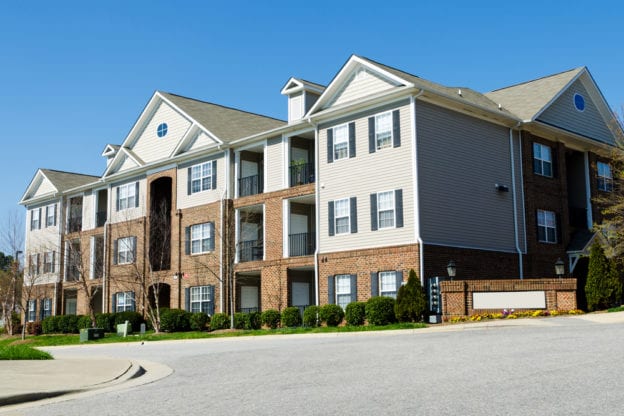
concrete lifting leveling apartment complexes

Value of Concrete Lifting and Leveling for Apartment Complexes

When most people think about or are introduced to concrete lifting and leveling services, they naturally think first about a traditional home property. A standard home contains several major concrete elements, from driveways and walkways to garage floors, patios and several other potential surfaces.

At Lift-Up Concrete, not only are we also here to offer commercial and municipal concrete lifting and leveling services, we’re here to tell you about an extended area of our residential services: Apartment complexes. If you’re the owner or manager of an apartment complex, utilizing our services to repair any concrete hazards that have formed on your property can have several major benefits to your bottom line. Here are some areas where we’ll assist you.

ADA Compliance

One area we assist many of our clients with is complying with ADA standards for concrete surfaces. Short for Americans with Disabilities Act, ADA involves several requirements for vertical changes or potential hazards on your property. Some property owners may be outside compliance without even knowing it, in fact, particularly in larger apartment complexes.

In fact, did you realize that a vertical change of greater than a quarter inch on concrete surfaces is considered a tripping hazard under ADA guidelines? Luckily, our concrete leveling pros can quickly correct any hazards or uneven surfaces that arise.

Preventive Maintenance

In addition to complying with federal guidelines, concrete lifting and leveling services for apartment complexes helps ward off several potential future issues. Not only do these services leave your concrete areas in great shape, they also assess concerns that reach down to the soil below the concrete itself, which often becomes unstable and causes the issues you’re repairing to begin with.

When we come to the property to perform repairs, they impact the soil as well as the concrete. Stabilizing this soil has several benefits even beyond simply supporting the concrete, including water flow and others.

Safety Enhancements

Another preventive area concrete leveling assists with: Preventing safety hazards you might be liable for on the property. Anyone who slips, falls or sustains other injury due to improperly-maintained concrete surfaces within the apartment complex boundaries could have a claim against you if the conditions were preventable, including if standing water due to uneven surfaces covers up hazards and causes someone to interact with them.

Aesthetic Upgrades

Finally, applying proper concrete lifting and leveling services to your apartment complex will improve the look and feel of the property. Potential new residents who walk by your pool, for instance, will see smooth deck surfaces and an inviting area. Those who tour the area and see sunken concrete, cracked slabs and tripping hazards, however, will likely look elsewhere.

For more on how concrete lifting and leveling services can benefit apartment complexes, or for information on any of our concrete repair services, speak to the staff at Lift-Up Concrete today.

Concrete Driveway Risks and Prevention Methods, Part 2

n part one of this two-part blog series, we went over some of the top threats facing your concrete driveway’s structural and aesthetic integrity. There are several potential causes and exacerbators of cracks and other damage that may form in your driveway, but the right attention and upkeep can prevent this from becoming an issue.

At Lift-Up Concrete, we offer several concrete repair services to assist you in this area, including commercial and residential concrete lifting and leveling. In addition to these services, there are several things you can do – with help from our pros, if needed – to limit damage risks on your driveway and keep it looking and performing good as new. Here are some general tips.

concrete driveway risks prevention

Standard Cleaning and Maintenance

For starters, the more general attention you pay to your driveway and other concrete areas, the less risk there is for built-up issues you’re unaware of. Cleaning and regularly inspecting the driveway will not only keep it looking great and maintain your property’s curb appeal, but will allow you to spot the very earliest risk signs.

While cleaning the driveway, for instance, you might notice a tree root at the edge of your grass that’s threatening to grow into the concrete space. Unlike many other homeowners who don’t pay attention to the driveway, you’ll have the time to address the issue before it leads to cracking or other concrete damage.

Stain Removal

Down similar lines, any stains that happen to make their way onto (or into) the driveway should be addressed quickly. You wouldn’t leave a stain on your new pants, and you don’t want to leave them on a driveway either. Leaving stains like oil, grease or gas on the driveway will make them far harder to clean later on, and could even lead to minor corrosion or wear issues.

Sealer Application

Down similar lines, sealer is a very important consideration for many driveway spaces. Our pros are happy to explain which kind of sealer is best for your surface, plus how often it needs to be applied to prevent various elements or damage risks. Sealers prevent everything from water and oil to sunlight and air from penetrating layers of concrete they aren’t supposed to hit.

Heavy Equipment

Particularly if your driveway is on the older side, but really at any time, it’s good to keep an eye on the weight loads it’s being asked to handle. If you’re regularly placing heavy loads on the space, such as large vehicles, construction equipment or many other types, the strain will have a cumulative impact. Driveways that deal with these heavier loads on a regular basis may require leveling a bit sooner than others that don’t.

For more on the risks facing your driveway and how concrete repair and other basic areas of upkeep can help prevent them, or to learn about any of our concrete leveling services, speak to the staff at Lift-Up Concrete today.

Concrete Driveway Risks and Prevention Methods, Part 1

For home and building owners everywhere, driveways are vital pieces of a given property. Important for everything from vehicle parking and storage to aesthetic appeal and outdoor safety, driveways need proper maintenance to remain in tip-top shape.

At Lift-Up Concrete, we’re proud to offer residential, commercial and municipal concrete lifting and leveling services, including those designed specifically for driveway spaces. Without these services, sinking, cracked or leaking concrete can lead to major issues, including eventual slanting and pulling of the driveway concrete away from attached concrete inside the garage. What are some of the primary threats to create these issues to begin with? In part one of this two-part blog, here are some general tips on the potential risks facing your concrete driveway, plus how our concrete repair services will help you avoid these risks.

concrete repair crawl space concerns

Cracking and Expansion

Some of the primary issues that concrete may face involve cracking or other minor splits – though over time, without the right attention, the word “minor” here will quickly turn into “major.” Cracks in concrete may form for a few different reasons, whether we’re talking moisture that seeps through into the material, tree roots that grow into concrete areas from nearby trees, or even direct impacts that lead to immediate cracks.

Whether moisture is or isn’t a primary cause of the cracks themselves, it often becomes a concern once they’re present. Specifically, this can become an issue when the temperatures outside fluctuate, something Utah residents know is extremely common. When winter hits, cracks in driveways will hold moisture, which will freeze and thaw several times – leading to expansion and contraction that only exacerbates the cracks and damage. If you let this go through the entire winter or even through multiple seasons, you’re just asking for trouble with crack expansion, and leaving yourself with a driveway that’s both unsafe and costlier to repair.

Heavy Loads

In the majority of cases, heavy loads like vehicles and others are not the primary cause of driveway damage. But they can absolutely be a complicating factor – they’ll often push cracks even further open, and they certainly don’t contribute to any solution to the issue.

Rodents and Other Animals

Once again, with a few exceptions, rodents and small animals are not actually creating the cracks in your driveway. Rather, they’re taking advantage of your inattention and burrowing into covered areas of the concrete, areas where they can be protected from the elements and predators. With enough time and lack of attention, rodents and other small animal types may begin to breed and continuously impact the space, once again leaving it unsafe and also potentially unhealthy.

For help understanding how our concrete repair services can prevent all of the above risks, or to learn about any of our concrete lifting and leveling services, speak to the staff at Lift-Up Concrete today.

How Concrete Repair Can Help Limit Crawl Space Concerns

Concrete lifting and leveling services have several uses and benefits, and one is helping prevent or address foundation damage issues. Concrete foundations are susceptible to cracking, leaking and other damage just like other forms of concrete, and preventing this damage from impacting your home’s structural integrity is important.

At Lift-Up Concrete, we’re proud to offer quality residential concrete lifting and leveling services for any area of your home. One important area here that unfortunately doesn’t tend to get enough attention from many homeowners: Crawl space, or an area of limited height under a floor or roof that’s generally used for access or other purposes. Crawl spaces often include concrete, and a failure to maintain this area can lead to damage that may impact your entire home’s foundation. Let’s look at some basic areas to consider here.

concrete repair crawl space concerns

Moisture Concerns

The crawl space is often a central area of the home’s foundational framing, helping tie together major structural areas. But if moisture is allowed to penetrate into this area, it can create numerous issues: Wood rotting, deteriorated framing areas, and also cracked or leaking concrete.

In addition, moisture creates significant safety issues. This is the case not only for anyone accessing the crawl space, but actually for anyone in the home – if the foundation is being immediately threatened by this kind of moisture, the safety of the entire structure is compromised. Luckily, proper concrete leveling and sealing will help prevent moisture from seeping into crawl space areas.

Dust, Mold and Mildew

Another potential risk in crawl spaces is dust, which can be harmful due to the toxins it can build up. Along with dust, you may also deal with the formation of mold or mildew, which are closely related to moisture formation in closed-off areas.

When these hazards are allowed to maintain unchecked, they can threaten the health of everyone in the home. Proper concrete sealing can prevent these contaminants from ever forming in the crawl space, however.

Pests and Repairs

Another unwelcome invader you might find in your crawl space if it’s not properly maintained and sealed? Pests. Many bugs make their homes specifically in cool, dark places, especially those with a little moisture present to sustain them. Waterproofing and sealing concrete can prevent the conditions from forming that will attract pests.

How We’ll Help

As we’ve noted throughout this blog, many of the above concerns can be prevented if the concrete and other foundational areas of your home and crawl space are properly sealed and maintained. If you notice issues with any such areas, contact our pros right away to learn what we can do for you.

For more on crawl space and foundation concerns, or to learn about any of our concrete lifting and leveling services, speak to the staff at Lift-Up Concrete today.

Major Risks of Ignoring Concrete Settling Issues

Like with many other home or building improvement areas, no one wants to deal with concrete sinking or settling. Concrete is a strong and durable product, and as such, it’s tempting for some to ignore minor or early signs of such issues, assuming the surface will be protected due to its natural qualities.

At Lift-Up Concrete, we’re here to tell you that you’re putting your structure and your wallet at real risk if you ignore concrete issues and don’t consider solutions like commercial or residential concrete lifting and leveling. These services, which are far cheaper and more efficient than replacing your concrete, can help protect you from multiple risk areas that you may not have even considered. Here are several of the biggest chances you’re taking by ignoring your settled, sinking or otherwise damaged concrete.

risks ignoring concrete settling

Physical Hazards and Safety Issues

For starters, did you realize you might be putting those who occupy your structure at risk by ignoring concrete issues? This is concerning enough if it’s your family or friends we’re talking about in a residential situation, but it could lead to even more severe liability or insurance issues in a commercial or municipal setting.

Concrete settling or other damage leads to tripping and other physical hazards. In public areas, they may cause you to be outside compliance with the ADA (Americans with Disabilities Act). Liability issues may even impact homeowners if someone is injured on their property. All of these concerns can be eliminated through basic leveling services, however.

Structural Risks

Concrete settlement can also be a significant risk to the structural and foundational integrity of your home or building. Especially if sinking is seen in driveway and garage areas, it can create issues with pads, footings and other important surfaces.

Similarly, cracks and other damage in concrete allow for moisture and water to infiltrate your foundation. Moisture can create significant soil stability issues, which in turn can have a broad impact on your structure’s foundational qualities.

Home Value

Due to both the above risks and major potential aesthetic concerns, damaged concrete can lead to significantly lowered home or building values. Poor concrete has a direct effect on curb appeal as well  as major risks outlined above.

It Only Gets Worse

Worst of all? If you continue to ignore concrete settling or other damage issues, there’s no magical solution around the corner. These issues get progressively worse with time and inaction, not better. All that will happen the longer you continue to push the issue aside is greater and greater damage, to the point where your repairs get more and more expensive.

For more on why failure to address concrete sinking is a major risk, or to learn about any of our concrete lifting and leveling services, speak to the staff at Lift-Up Concrete today.

The Connection Between Concrete Settling and Moisture

Several times in the past in this space, we’ve discussed some of the causes and precursors associated with settling or sinking concrete. Concrete settlement can be caused by a few different sources, and one of the most common and consistent you’ll have to keep an eye out for is one of the most common elements on the globe: Moisture.

At Lift-Up Concrete, we’ll help you with a wide variety of residential and commercial concrete lifting and leveling services if your concrete areas are dealing with sinking or settling. Let’s go over a few important areas when it comes to checking for and preventing the sorts of moisture-related concerns that lead to sinking or settling in the first place.

connection concrete settling moisture

Rainwater Direction

One of the single simplest and most straightforward ways to protect your concrete slabs from too much exposure to moisture is to direct rainwater runoff in the proper directions – preferably away from major concrete areas. Not only does this protect the concrete itself, it also helps limit the risks presented to your soil and the foundation of your home in many areas.

The primary tools at your disposal here are your rain gutters and downspouts, which should be checked and maintained regularly not only for the good of the roof and the drainage system, but also your base concrete. Even just basic visual checks during rainstorms to ensure that water is moving in the right direction can go a long way.

Tree Placement Concerns

While it’s natural to mostly think of concrete sinking and moisture concerns as an above-ground issue, it’s important to consider some underground areas as well – namely trees and their roots. Just like tree roots have been known to create issues for property owners when they grow toward main sewer lines and create cracks or leaks, a similar theme can take place underneath your concrete slabs.

If the right conditions are present, namely enough warmth and moisture, tree roots may push up into or otherwise infiltrate your concrete. They can grow into concrete and expand or otherwise damage it in multiple ways.

Concrete Edges, Joints and Cracks

Finally, it’s important to regularly check the edges and joints of your concrete for cracks or other damage Joints are meant to allow for basic shrinkage and expansion of concrete due to the way they limit the pressure present – but enough moisture infiltration can limit this effectiveness, particularly when mixed in with dry spells in a variable climate like Utah. Over enough time, these weather patterns can create deep cracks that worsen as more time goes by.

For more on the importance of protecting your concrete from moisture risks that lead to sinking and settling, or to learn about any of our concrete lifting and leveling services, speak to the staff at Lift-Up Concrete today.

Why Concrete Leveling is Preferable to Concrete Grinding

If you’re seeing issues with your concrete surfaces, whether it’s sidewalks, driveways, patios or numerous other areas, you have a few options at your disposal. The first is to replace the surface completely, which generally isn’t cost-effective unless there are major issues with the existing concrete.

At Lift-Up Concrete, we’re proud to offer commercial and residential concrete lifting and leveling services as a practical, and more cost-effective solution. Another option potentially available to you is known as concrete grinding – how does this compare to concrete lifting and leveling in terms of cost-benefit analysis and overall impact? Here’s a look at everything you need to know in this area.

concrete leveling preferable grinding

Leveling Versus Grinding

Concrete leveling, as the name suggests, involves getting to the roof of the concrete and filling the voids that may have led to settlement or other damage. The process includes assessing and filling the foundation of the concrete area, as well as cracked or otherwise damaged areas, plus proper sealing from moisture and other contaminants.

Concrete grinding, on the other hand, involves manually grinding damaged or rough concrete using an abrasive tool. The goal is to eventually grind the damaged concrete down to the point where it reveals the smoother material underneath, ostensibly solving the surface damage issue.

Issues With Concrete Grinding

Here’s the primary issue with concrete grinding: It’s really more of a Band-Aid than anything else, and certainly not a long-term solution.

For starters, the result you achieve even during successful concrete grinding does not look the same as your original concrete. The concrete you grind down to will be a different, brighter color, and it will never match your previous materials.

Beyond this, concrete grinding doesn’t assess any of the root issues that might be causing this damage. If your foundation has settled, for instance, concrete grinding won’t do anything about this at all. The same goes for if cracks or other damage are caused by moisture invading the concrete.

Benefits of Concrete Leveling

In comparison, concrete leveling can address all the issues we just laid out above. Instead of simply addressing cosmetic areas at the surface of your concrete, it covers the entire slab, including the foundation and interior areas.

Not only this, but concrete leveling is far more affordable than simply replacing your concrete, and saves you time. It creates no major damage or other issues to nearby landscaping, something you risk with grinding, and leaves your final product looking exactly like it did when you installed it. If you’re looking for long-term solutions to cracked or otherwise damaged concrete, leveling is the way to go.

For more on why concrete leveling is preferable to concrete grinding, or for information on any of our concrete raising or leveling services, speak to the pros at Lift-Up Concrete today.

distinctions between patios decks

Important Distinctions Between Patios and Decks

At Lift-Up Concrete, the quality and safety of your concrete is our top priority. No matter what kind of property you own or which concrete surfaces you have present, we can provide lifting and leveling for areas ranging from driveways and garage floors to porches, steps and many others.

One of our most common services requested is for patio lifting and leveling. In some cases, the term “patio” is used interchangeably with the term “deck” – in truth, however, these are not the same thing, and they may come with very different benefits and drawbacks. And while we’ll always check to confirm which you mean before starting any leveling job you require, here are a few basics to help you understand these differences and potentially choose between a deck or a patio for your new home.

Basic Definitions

Generally speaking, patios are defined as outdoor spaces that are found directly on the ground level. Many patios are directly connected to the home itself, but this is not necessarily a requirement – patios may also sit disconnected from the house, a theme that’s actually become more popular in recent years for certain property types. Patios will generally come with concrete bases, though they can also be constructed from brick, stone or even pavers in some cases. The modern patio is a versatile space, one that often holds a social area like a grill, fire pit or something similar.

A deck, meanwhile, is a structure built near the ground but not directly on it. Decks will instead be built on a support structure of some kind, and may even sit on second stories in many cases. Decks are often enclosed with a railing of some sort.

Maintenance Concerns

If the only factor at play for you here is which will last longer, a patio is the way to go over a deck. Patios will last longer as long as they are properly installed, especially if they’re concrete and receive services like our leveling when needed. They also require limited maintenance – nothing but a basic re-sealing every few years is needed, and most patios will last decades.

Decks may vary a bit more in terms of maintenance depending on their outward-facing material – wood options may require more maintenance and may wear down faster.

Cost and Resale Value

Another benefit of patios is the fact that they generally cost less than decks, in large part because they require no support structure. Decks tend to average above $30 per square foot to construct, while patios only cost around $15 per square foot.

However, another important factor to consider is long-term ROI and resale value. Decks have a sky-high resale value on today’s market, higher than any indoor renovation on average in fact. Patios may not come with the same level of return on investment, which is something to consider when choosing between them.

For more on the differences between decks and patios, or to learn about any of our concrete lifting and leveling services, speak to the pros at Lift-Up Concrete today.