Author Archives: admin

Is Lifting Settled Concrete the Better Option?

What is settled concrete? It’s concrete that’s cracked and crumbling. If you’re conscientious about your property, then you like to keep every area looking good and functioning the way it should.

lifting settled concrete Utah

So how do you fix settled concrete?

What Causes Settled Concrete?

Why do you have this issue in the first place? Here are three common reasons:

  1. Soil Washout

Flooding, leaks and poor drainage — all of these problems will turn into larger issues if they aren’t addressed. Mainly, they will wash out the soil that’s keeping your concrete structures supported, and then the slab will settle.

2. Inadequately Compacted Soil

It’s nearly impossible to eradicate all air particles in the underlying fill soil beneath a concrete structure, but the original installation contractor has to try. Otherwise, as the air dissipates, settled concrete becomes an issue.

3. Dry Soil and Shrinkage

If you live in a dry climate with long periods of drought, your soil’s moisture content could drop significantly. You don’t have much control over this, but it can be a cause of settled concrete, especially in certain areas of the country.

What Can You Do?

Even if it’s not causing any problems outside of being an eyesore, you need to even out and repair your settled concrete.

There are two main ways of handling this:

  1. Rip it Up and Start Again

You could hire an excavator to come in and tear out the structure. Then you’ll need fill soil, someone to compact it and a whole new patio, driveway or stairway.

After it’s installed, you will have to wait a until the structure is ready to be used again. And don’t forget about the damage this project can do to your landscaping, which is another expense.

2. Use Slabjacking for Repairs

Or, you could hire a repair contractor to use the straightforward method of slabjacking to raise and stabilize your structure within a day, repairing damage and ensuring against future sinking.

Not only is this the more affordable option, it also takes much less time, and your concrete can be used the same day.

How Can Lift-Up Concrete Help You?

In order to make the best decision for you, you need all the facts. That starts with getting two quotes: one for concrete replacement, and one for repair.

At Lift-Up Concrete, every customer is provided with a detailed quote that outlines our repair approach for your problem. We can also give you a general idea of how our price compares to a concrete replacement.

Ultimately, our repairs are designed to last. We don’t provide a temporary fix — we offer a permanent, affordable solution for settled concrete. Call today and set up an appointment to get a free quote.

5 Reasons You Have Broken Concrete

Broken ConcreteCracked, crumbling and broken concrete doesn’t give the best impression of your home or business. Not only does it compromise your residential or commercial curb appeal, it’s also a safety hazard.

If you have broken concrete, you’ll want efficient, affordable repair options that don’t involve tearing out the entire structure and starting over.

Lift-Up Concrete can quickly reface and even out your sinking concrete slabs, whether it’s a driveway, walkway or patio that’s in question.

Before you think about making repairs, find out why the material degraded in the first place. Consider these five possible reasons:

You Use Rock Salt

De-icing salts are an effective safety measure, but they’re terrible for concrete.

Concrete is a porous, absorbent material. When rock salt is spread on it, ice and snow melts and the concrete absorbs the resulting moisture.

But since winter temperatures have a tendency to drop, especially at night, as soon as it gets cold again, all the moisture inside the concrete freezes. Since water expands when it freezes, it puts pressure on the slab, weakening it and causing it to crumble.

You Parked a Dumpster on It

Concrete is strong — why else would it be one of the most common building materials in the world? But for the most part, structures like residential driveways can’t take an obscene amount of weight without cracking.

If you parked a dumpster or other heavy object on a slab not designed to take the weight, you may end up with broken concrete.

You Have a Bad Water Drainage System or a Sudden Flood

Severe soil erosion does a number on this building material. Without the supportive, compacted soil underneath, the void left behind leads to sinking and cracking. If your home has a faulty water drainage design or you’re in an area that sees frequent flooding, this could damage your concrete.

It Was Mixed Incorrectly

Concrete must have the right proportions of water, Portland cement and aggregate to stand the test of time. If it wasn’t mixed properly before installation, you’ll have problems at some point.

For example, too much water in the mix leads to excess shrinkage, and shrinkage leads to crumbling and cracking.

It Was Poured and Cured Wrong

Was your concrete poured onto frozen soil? Were control joints not added? Was it cured incorrectly? If your installation contractor didn’t follow the proper procedure for readying the surface, pouring and curing the slab, broken concrete shouldn’t come as a surprise.

Would you like to restore your patio, driveway or sidewalk today and learn how to prevent future issues?

Lift-Up Concrete is ready to help assess damage, offer free quotes before starting work and execute affordable, attractive, long-lasting repairs that solve your broken concrete problems — call today to learn more.

What Goes in to a Concrete Lifting Estimate?

Concrete Lifting Estimate

A concrete lifting estimate will tell you if you can afford to repair your cracked, sinking structure. It also helps you compare the cost of replacement to a repair.

What factors does a concrete lifting estimate consider?

Fixed Costs That Affect Price

A baseline cost covers the use of the tools and the materials, and the actual service call. A concrete repair company is a business that has to maintain professional training and insurance.

You also may have to pay taxes on the job, depending on the laws where you live.

The Severity of the Problem

Concrete slabs that are severely sunken require more time to raise, and that means additional labor costs. More grout may be needed as well in order to lift the slab back into position.

The Location of the Slab

Your concrete repair company also will examine the slab’s location. Depending on whether they have to fit their machines into tight corners, this could extend the time it takes to complete the job.

They also will account for the time and materials needed to repair any landscaping that gets ruined in the process. A quality company won’t leave the work space until all grass and mulch has been replaced.

What’s Included in My Quote?

When it comes down to it, the reason you want a concrete lifting estimate is because you are thinking about price. While the cost is definitely important, take note of the other information that you will receive in your quote as well.

For one, look at the company’s estimate of how long the project will take. If they determine that a job will take a full day and other companies have quoted you a few hours, ask them for their reasoning behind their projection.

Also, look at what kind of warranty they provide with their work. Do they guarantee that the slab will not sink again for a certain period of time? You want to invest in a lasting repair, not throw money at a solution that’s only temporary.

Finally, make sure the company leaves you with a few reference contact numbers so that you can follow up and find out their past customers’ opinions before you hire them.

Trust Lift-Up Concrete to provide a free concrete lifting estimate that answers all of your questions and helps you make an educated decision about repairs on your property.

DIY Concrete Lifting Is a Bad Idea

DIY Concrete Lifting

You can’t help but wonder if DIY concrete lifting could be the answer to that sinking piece of sidewalk or patio you have out back. You’re a hands-on type of person. You could take a trip to the hardware store then come home ready for a DIY concrete lifting project, right?

Many DIY projects turn out splendid results, but chances are that DIY concrete lifting won’t be one of the them. It takes training and experience to gain concrete lifting know-how.

Understanding the Root Cause

A concrete repair professional is trained not only to fix the problem, but to diagnose the cause as well. Only when the underlying issue is corrected will a repair last for years.

For example, if the reason your slab is sinking is poor water drainage, your lifting company can help you come up with affordable solutions to prevent future damage. It doesn’t do you any good to spend money on a repair, even a low-cost one, if it doesn’t last.

On your own, it can be hard to determine why your concrete is sinking. When you’re paying a professional, you know you’re getting a permanent solution.

You Need Precise, Expensive Tools

To do this type of repair the right way, you need special tools. You need a concrete drill and a hydraulic pump — the machine that’s used to push the grout mixture beneath the slab’s surface.

These tools are expensive, and you’ll need other supplies, such as the grout mixture itself. And unless you do it wrong, you won’t ever have to use these tools again. Doesn’t that seem like a waste of money?

DIY Methods Don’t Guarantee Results

Other DIY methods of concrete lifting only deliver a shadow of the quality result that professional concrete lifting provides. For example, you could dig a hole next to the sunken slab, then shovel dirt or clay into the void underneath.

Though this may raise the concrete temporarily, the dirt isn’t compacted. Eventually, the slab will end up sinking again once the air seeps out.

Other methods involve cutting out sections of concrete with a wet saw, pouring sand into the void, compacting it, then putting the concrete back in the hole. This type of repair leaves a lot of room for error. You risk cracking and breaking the entire slab, making a complete tear-out necessary.

Lift-Up Concrete will provide the professional, affordable alternative to DIY concrete lifting that you’re looking for — call today for a free estimate.

Is Concrete Leveling a Long-Term Solution?

Concrete Leveling

You’ve heard about concrete leveling, but you may be skeptical. You’ve been around long enough to know that money spent on a repair is wasted unless that repair is going to stand the test of time.

With that in mind, you may wonder: How long does concrete leveling last?

It’s Strong and it’s Long-Lasting

Don’t fall for the misconception: Concrete leveling isn’t putting a Band-Aid on a failing structure. It’s a permanent fix for sinking concrete.

The material used initially will be a bit more pliable than standard concrete because it has to be injected beneath the surface. It will spread and fill the empty space that’s causing the instability and the sinking underneath your driveway, patio or walkway, then it will cure.

It dries just as hard as you’d expect — as hard as concrete. But even though it dries, it doesn’t shrink. It maintains its shape in order to provide the support that your current structure is lacking.

What’s the Alternative?

Think about what you’d have to do if you weren’t aware that concrete leveling was an option. You would have to tear out all the damaged concrete and start over. That kind of extensive work requires heavy-duty construction equipment and hours of manpower. You can expect your lawn and gardens to suffer.

Once you’ve removed the cracked, shifting material, it’s time to re-pour. While you may be able to compact the soil more than before, there is no guarantee that this freshly poured material won’t also start to sink once it has time to dry.

Removing and re-pouring concrete is no small task. It’s disruptive to your property, it ruins your lawn, it takes months to solidify and you have no assurance that winter’s freeze/thaw cycle and soil shifting won’t land you in the same predicament in the future.

Efficiency Is Key

One of the greatest features of concrete leveling is that repairs don’t take long. You can plan on having restored, even concrete surfaces that are ready for use within a day.

Also, you don’t have to spend extra time preparing the surface. Leave your furniture on your concrete patio. Leave your car parked on your driveway.

Concrete leveling is executed quickly, and the stabilizing grout mix cures fast. Your daily routine is disrupted as little as possible. It’s fast, it’s effective and it will improve the safety of your family and your guests while considerably upping your curb appeal.

Are you interested in specifics? Contact Lift-Up Concrete today and get a price for concrete leveling of your commercial, residential or municipal structure or surface.

4 Reasons Concrete Foundation Crack Repair Is a Good Investment

Concrete Foundation Repair

Foundation crack repair isn’t just a cosmetic fix — it can resolve major structural issues that could otherwise put your family at risk.

Your home is likely your biggest investment, not only in the financial sense, but also the physical. You are living in the space every day, and you want to be sure it’s safe and secure.

Here are four reasons you should get foundation crack repair as soon as you notice a problem:

You Can’t Sell a Home with Foundation Problems

If you’re getting ready to sell your house, the home inspector is sure to notice if you have foundation cracks, and will pass along the information to the potential buyer. They will want the issue remedied before they follow through with their offer.

If you are aware of a foundation problem, you can’t legally sell your home without disclosing the issue. Take care of the cracks right away, then you don’t have to worry about an offer falling through once your home goes on the market.

Foundation Cracks Only Get Worse

There are no benefits involved with waiting to solve foundation cracks. Your home’s concrete slab is cracking for a reason, whether it’s improper water drainage or extreme soil settlement. The longer you wait to fix the issue, the more expensive the final repair bill will be.

Keeps Your Family Safe

One of the side effects of a shifting foundation is windows and doors that refuse to open or stay open. This could be a liability if you have an emergency. If there is a fire or carbon monoxide leak, you and your family need to be able to exit the home quickly. Sticky windows and doors that keep you trapped inside pose a danger.

Prevents Related Problems

Prompt repair isn’t only good for the foundation — it’s beneficial for the entire home. A shifting foundation can lead to cosmetic issues like broken tile flooring and cracked drywall, or it could start to affect other major home systems like the plumbing.

Broken pipes can cause water damage, which may only add to the instability that’s causing the deeper foundation issues. It’s a vicious cycle, but it’s one that you can break when you invest in foundation crack repair.

Don’t leave your home’s fate up to chance. Get a free quote from a concrete repair expert today when you call Lift-Up Concrete. Foundation crack repair is the best way to improve the safety and structural integrity of your home.

How to Find an Excellent Driveway Leveling Contractor

Driveway Leveling Contractor

You’re looking for a driveway leveling contractor because you’re done overlooking the damage — you want restoration, and you want it now.

A cracked, sinking concrete driveway isn’t functional and it definitely isn’t aesthetically appealing. Maybe you’re tired of having the only worn-out driveway in the neighborhood, or maybe you’re getting ready to put your home on the market and need to spruce up the outside.

Whatever the reason behind your search, make sure you find a company that’s going to deliver quality work.

Here’s what you should look for:

Proven Experience Restoring Sunken Concrete

You don’t want to hire someone who’s trying their hand at concrete driveway leveling for the first time. It might not be an art form, but it’s a highly technical job that involves in-depth knowledge of the tensile strength of concrete and hands-on experience with the mechanics of drilling into concrete surfaces.

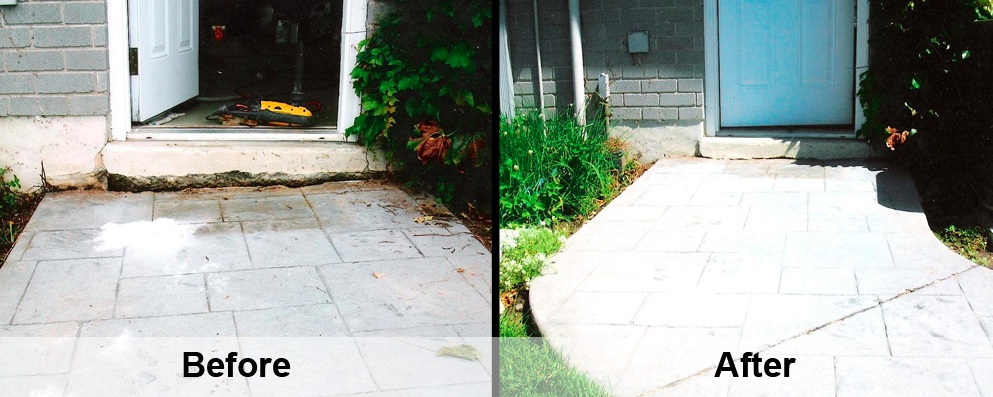
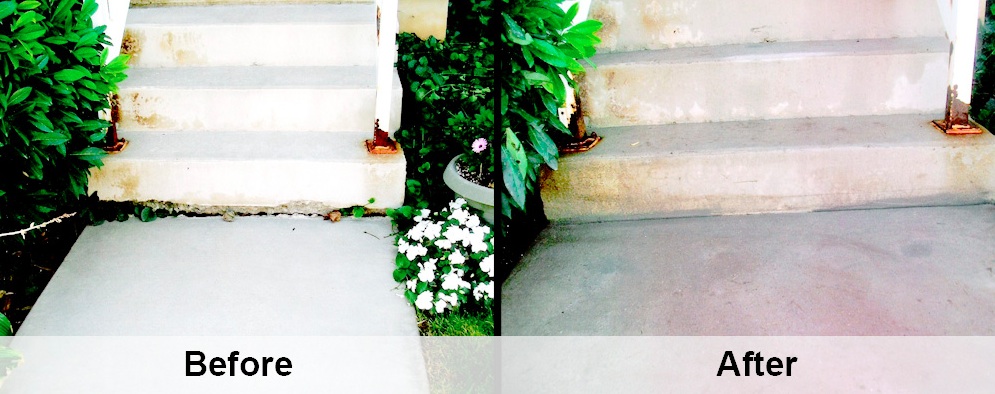
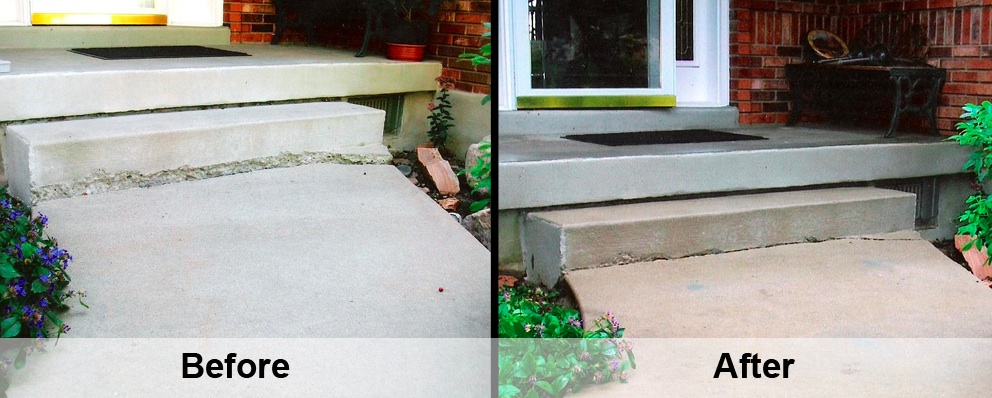
Ask your potential contractor for before-and-after pictures of the jobs they completed. Talk to their references. Did their work stand up to the test of time? Do your research, and only go forward with the repair if you like what you see and hear.

Ability to Complete the Job Efficiently

Your driveway is used every single day — it can’t take a day off. Find a driveway leveling contractor that knows time is of the essence. You can find contractors who won’t require you to remove anything from the surface.

If they can finish the job quickly and still deliver quality, you know they are the right contractor for you.

Have the Right Licenses and Insurance Coverage

Now for the technical, boring part. You need to hire a driveway leveling contractor that is licensed and insured for one very important reason: You don’t want to be held liable if a worker gets injured on your property or if the company is operating illegally.

Ask them for all of their paperwork, their certifications and proof of commercial liability insurance. If they can easily procure this information, you have found a practiced, trustworthy team to work with.

Don’t Say Yes without a Free Estimate

Never give the go-ahead on a project until you have an official quote in hand. You don’t want them to change their price halfway through. And you shouldn’t have to pay for that quote either — you should get a free estimate.

Finding a driveway leveling contractor in Utah isn’t hard — you just need to call Lift-Up Concrete to get professional repairs you can trust.

Sand Jacking vs. Slab Jacking: What’s the Difference?

Sandjacking vs. Slabjacking

Sand jacking and slab jacking — to someone unfamiliar with the industry, they sound the same. However, these different methods of concrete repair produce vastly different results, and as a property owner, you should know which option is preferable for your purposes.

Is sand jacking or slab jacking the better fit for what you need to accomplish? Learn more about the process of each before you make your decision.

How Does Sand Jacking Work?

Sand jacking is done by first lifting the sunken concrete surface with jacks, pipes and braces. If the slab is accessible on both sides, no holes are drilled on top. Dry limestone sand is blown underneath the slab to shore it up. If holes were drilled to accomplish this, they are refilled with concrete afterward.

Even though many companies advertise that the sand that goes underneath the previously sunken slab is compacted, they do not use moisture to complete the project, and sand cannot be fully compacted without it.

How Is Slab Jacking Different?

Slab jacking professionals take a different approach. First, small holes are drilled in targeted sections of the sunken slab. Next, the exact pressure needed to lift the concrete is calculated. A grout pump is used to slowly inject stabilizing material beneath the slab, raising the concrete to its previous level. The repaired slab can be used safely within a few hours.

With this method, you do not have to lift and raise the concrete separately. One fluid repair allows the work to be completed quickly and effectively, and the grout that goes beneath the concrete is strong and stable, providing a long-term solution.

Which Method Is Right for Your Concrete?

When it comes down to making your decision, you want to invest in a repair method that will last, not a quick fix that will only warrant more repairs down the line. This is why slab jacking is the best option.

Erosion due to water flow can quickly ruin a sand-jacking job. Relying on sand and soil alone is what caused the concrete damage in the first place.

When you choose slab jacking, your concrete’s risk of repeated sinking is dramatically lowered. This method fills the underlying voids with a solid material that will not wash away the next time it rains. The lightweight material is pumped underneath, naturally flowing to fill each gap, and hardening into a dense foundation that retains stability over time.

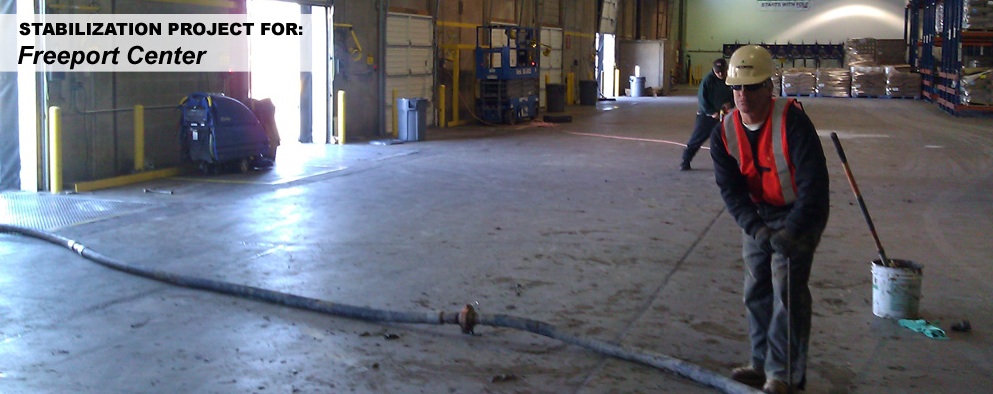
It does not matter how expansive the concrete surface — it works for a warehouse floor, patio or a pool deck and other surfaces.

Is this the type of repair you’re looking for?

Contact Lift-Up Concrete for more information on slab jacking and how this long-lasting restoration method could resolve your sunken concrete issues.

Does Your Pool Deck Need Concrete Lifting?

Pool Deck Concrete Lifting

Concrete lifting works for countless surfaces, including your pool deck.

You will fully enjoy swimming and sunbathing in your pool area if you can eliminate the unsightly damage that comes with sinking concrete. How did your pool deck even get cracked?

Causes of Pool Deck Problems

A sturdy concrete pool deck must be poured correctly, or a whole host of problems can result. If the soil was not properly impacted before installation, air pockets underneath will give way over time. Eventually, the surface begins to sink due to the voids underneath.

Extreme weather conditions like the winters in Utah also can contribute to problems with many different concrete structures. The freeze/thaw cycle can take a toll on the concrete, weakening its structure.

If animals burrow beneath the surface of the deck, soil displacement can affect the concrete’s foundation.

Finally, soil erosion caused by an inadequate or misdirected drainage system can be a central cause of damage to your concrete pool area.

What’s the Damage?

The extent and the type of damage your concrete pool deck has suffered can give you clues as to why it happened and also tell you whether concrete lifting is the right repair solution.

If the surface has cracked and one side of the slab is sinking, lifting can re-stabilize the slab so the surface is even once again. This removes the trip hazard from your pool area, making it safe for kids and adults alike.

Maybe a crack hasn’t appeared, but you’re starting to see the space between the sections of slab widen. This is another indication of soil erosion or air pocket collapse, signaling that concrete lifting may be the best restoration option.

How Does Concrete Lifting Work?

It’s simple: Professionals drill small holes in the affected concrete. Using special tools, a high-quality grout is injected beneath the surface. The grout takes the place of the displaced soil, providing a permanent, stable foundation for your pool deck.

Is Repair Better Than Replacement?

Maybe you think the damage is so bad that only tearing out the concrete and re-pouring it will solve the issue. In most cases, this isn’t true; concrete lifting is more economical than complete replacement. Replacing the concrete involves a significant amount of time, much more money, and you may run into the same issues all over again in the future.

When you let a lifting specialist make the repair, the project is completed in a few hours, and you can use your pool deck again right away. You pay much less for the service and you don’t have to worry about your pool area becoming a construction zone, potentially causing damage to your pool lining and ruining your landscaping.

You can depend on Lift-Up Concrete for expert, efficient pool deck repair. Concrete lifting is the smart solution — call today for a free estimate.

Do You Need a Permit for Concrete Driveway Repair?

Concrete Driveway Repair

You need concrete driveway repair, but do you know nearly every update to your home and property requires some time of building permit from your town? Does this also apply to concrete driveway repair? What happens if you end up needing to completely re-pour the concrete driveway?

Pouring vs. Repairing

If you are planning on ripping up your driveway, reinstalling it and perhaps widening it while you’re at it, you will most likely need a building permit. The good news is that if it’s in mostly good condition, you can probably get by with repair versus a complete replacement, and in many cases you will not even need to notify the town.

Building Code Is in Place to Protect You

Towns maintain building codes for many good reasons, but the central motivation is to protect residents. When contractors are required to adhere to standards that govern workmanship and material quality, you are less likely to end up with a subpar product. After all, an official from the town will inspect their work upon completion.

When it comes to concrete, building code dictates that the water used to mix concrete is clean. Contractors must use the proper mix of aggregate as well, and they must create joints in the slab to minimize the occurrence of damaging cracks. Overall, building code ensures your driveway installation contractor strives for excellence.

When Are Permits Needed?

Even though concrete driveway repair isn’t a job that necessarily requires a work permit to complete, in some cases it may be needed. For example, if the project involves changes that would alter the sidewalk, curb, gutter or driveway approach, the appropriate town department may need to approve plans, and you may need a permit before work begins.

Call Your Town to Verify

Whenever you’re in doubt, it doesn’t take much time to call your town’s building department and ask specific questions. The officials can let you know if your project requires permit approval. It’s better to err on the side of caution, as you may be hit with significant financial penalties if you don’t comply.

Find a Dependable Repair Contractor

When your driveway is cracked, crumbling, sinking or heaving, you can get fast, affordable solutions from Lift-Up Concrete. You don’t have to pay for a complete replacement, which would involve extensive demolition, not to mention time spent on obtaining permits.

Trust Utah’s dependable concrete driveway repair professionals and contact our team for a free assessment and quote today.