Author Archives: admin

concrete pool deck

3 Reasons to Repair Your Concrete Pool Deck Before Summer

Your concrete pool deck needs a face-lift, and sooner rather than later.

Builders use concrete for pool decks because it’s a resilient, long-lasting material. But even concrete needs maintenance, and it might be time to give your pool deck a little TLC.

What’s Wrong with It?

The most common reason a concrete pool deck needs repair is because of settling. The contractor that installed your pool hopefully compacted the soil before pouring the concrete, but even properly prepared soil sinks over time, as air pockets can form and then cave in. In fact, it can take up to 10 years for concrete to settle completely.

Damage from concrete settlement can include a surface that slopes steeply away from the edge of the pool. One section of slab could settle more than another, creating a trip hazard. Cracks could appear and spread, and may be the first sign of structural instability beneath the slab.

Why Worry?

Is a damaged pool deck really that big of a deal? In some instances, yes. Concrete pool deck repair can bring you peace of mind and several areas.

1. Your Family and Guests Are Protected from Injury

When kids and adults are playing in the pool, they’re not thinking about how to protect themselves — they’re just having fun. They may not notice the trip hazards around the edge of the pool, so serious injuries are a real risk.

By repairing the issues before you even open your pool for the summer, you’re doing everything in your power to keep your loved ones safe from bumps, bruises or worse.

2. You Won’t Worry About Liability

Obviously, you don’t want anyone injured while spending time on your property, because you care about them. But beyond that, you’ll have to bear financial responsibility if an injury occurs. Homeowner’s insurance provides liability for injuries that occur on your property, but the situation could become more complex if it’s proven you were negligent in any way.

The easiest way to protect yourself is to simply make the necessary concrete repairs in advance, then you’re covered.

3. Your Pool Area Will Look Amazing

Finally, remember that although looks don’t always matter, but they do when it comes to your pool area! You want your guests to be impressed — you don’t want it to look like you don’t take care of your property. The best way to improve appearances is to fix the cracks and settling so your concrete pool deck looks as good as new.

How Else Can You Maintain It?

Keep your concrete pool deck looking beautiful by power washing it before your first official pool party. You may also want to seal it to protect it from grime and algae buildup. Contact Lift-Up Concrete if you are looking for concrete lifting of any kind, especially when it comes to your pool deck. We are here to help.

concrete lifting summer

Summer Is the Perfect Time for Concrete Lifting

What’s the best time of year for concrete lifting? In our professional opinion, it’s as soon as the warm spring months arrive and you start preparing your landscape for outdoor summer living.

Concrete lifting is the cost-effective way to repair sinking slabs and uneven surfaces. It’s faster and cheaper than tearing out and re-pouring the concrete. It’s also less disruptive to your budding spring plantings.

But you know all of this; you’re just wondering when the best time is to put it on your schedule.

Winter Took its Toll

Look around at your driveway, stairways, walkways, pool deck and patio. Chances are, if these structures are concrete, the Utah winter took its toll on them. Maybe you see cracks. Maybe you notice sinking. It’s not an attractive look, and you’re about to start spending a lot of time outside this summer. Spring is the right season to take care of these repairs.

The Ground Is Finally Thawed

The main reason concrete lifting specialists love to work in the spring is because the ground is thawed.

While it’s possible to complete a slabjacking project in the winter, it’s a risk. Winter’s freeze/thaw cycle can cause the ground to shift throughout the course of the season and ruin any concrete repair work. Also, concrete may stick to the frozen earth during any attempts to raise it. This could cause the surface to break apart, worsening the damage.

In the spring, the ground isn’t frozen anymore, so you can be relatively certain it won’t shift and undo the concrete lifting work.

Equipment Works Better in Warmth

Extremely low temperatures can affect the function of the hydraulic pump that’s used to import the grout. Cold grout might stick to the inside of the hose, or particles might be left behind. Rinsing off this material involves introducing water to the environment, which can freeze and affect the concrete’s stability.

In the spring, none of these concerns plague concrete-lifting specialists. You can trust the process will go smoothly, and you’ll have a newly even slab in just a few hours, maybe less.

Summer Is the Time to Enjoy the Outdoors

Since summer is the best time of year to enjoy your patio or pool, doesn’t it make sense to take care of necessary repairs before the first hot day? Contact Lift-Up Concrete today to get a free quote and schedule your appointment for concrete lifting.

concrete crack

Why Does Concrete Crack?

Concrete cracks for many reasons. It starts with the installation process. If the contractor didn’t mix the right amount of water and aggregate, the imbalance can lead to cracking. This installation mistake is usually due to a lack of contractor experience, but the homeowner pays the price.

Cracking can also happen when the contractor doesn’t create the right number of expansion joints in the material. In extreme heat, the slab is under pressure and expands. If it doesn’t have enough space, the buildup can create fractures in the surface.

The freeze/thaw cycle during Utah’s cold winters also contributes to cracking. The concrete absorbs melting ice and snow, which then re-freezes and applies pressure from the inside out.

Regardless of the reason for your slab’s damage, the fact remains: Ignoring the problem is not the best way to handle the issue.

Slabjacking Fixes Major Damage, But You Still Need Crack Repair

Concrete cracks become more noticeable when they grow long and wide. Typically, this happens when one portion of the slab begins to sink. When the result is that your driveway, patio or walkway starts to become uneven, that’s where slabjacking comes in.

Slabjacking is a fast, convenient way to bring your concrete back up to its original level without tearing it all out. We drill a hole in the sunken portion of the slab and pump grout underneath. Once the void is filled, the slab will slowly return to its normal position. The grout hardens quickly, providing a stable foundation for your newly even concrete.

But even when your slab looks as good as new again, you still need to have those concrete cracks filled, caulked and sealed.

Water Infiltration: The Real Problem

One of the main reasons your concrete started to sink in the first place was probably because of soil erosion. Water washes away the compacted soil underneath your concrete, which leads to sinking. When you seal the cracks, you’re keeping water out and stopping the erosion process in its tracks.

Also, keeping water out can help reduce the effects of the freeze/thaw cycle. Limit the amount of water absorbed by the concrete, and you will see a reduction in cracks that otherwise spread during winter.

It’s Easy on the Eyes

Also, filling and sealing concrete cracks leaves your slab looking clean, smooth and beautiful. It’s a definite positive that can enhance your curb appeal rather than detract from your home’s beauty.

Talk to Lift-Up Concrete when you have concrete cracks, sinking slabs or any other issue with your sidewalk, patio or other structure. We can help.

concrete erosion

Erosion Under Concrete? Fix it Before it Causes Damage.

Erosion under concrete is serious, whether it’s your foundation, driveway, patio or sidewalk that’s affected. Without the right support, concrete will crack, sink and cease to be the sturdy, solid surface you can count on.

It’s imperative to fix erosion under concrete as soon as possible, but first you need to know what to look for. Not every case of a void underneath your concrete will be obvious at first.

What Comes First, Settlement or Erosion?

Erosion under concrete isn’t always caused by rushing water. What you mistake for erosion might actually be a simple case of settlement.

Before concrete is poured, the soil is packed down to release air pockets and provide the firmest foundation possible for the structure. But even the best soil compaction job can’t prevent a certain degree of settlement, which takes place over years following the concrete installation.

If the original soil wasn’t compacted well, settlement can be extreme — enough to cause a major void underneath the concrete and lead to cracks, sinking and other problems.

Many times, soil will settle underneath the concrete and allow just enough space for water to penetrate. This is when you’ll notice erosion, which will quickly amplify the settlement problem.

Burst Pipes Pose Problems

Another issue that could cause erosion under concrete is a burst water pipe. If the pipe is beneath the concrete, the structure will no longer have firm, dry soil underneath it — just mud.

Improper Water Drainage Can Cause the Issue

Roofing and gutter experts make it a point to direct water away from your foundation (and other concrete structures.) During Utah’s wet season, the outpouring can easily wash away supportive soil from around your walkway, driveway, patio and foundation. Improper water drainage can take its toll, causing the erosion that could potentially lead to sinking and cracking.

How Can You Tell?

What’s a clear sign you have some issues with proper support? You may start to see bending or a hollow forming in your concrete. When rain starts to collect in puddles, the surface is no longer even — there’s a lack of support underneath.

It’s Time for Repairs

Thankfully, there’s an easy way to repair this problem that doesn’t involve ripping up the entire slab. With slabjacking, a stable grout mixture is injected beneath the surface, filling the voids and reestablishing the strength your slab needs to last for ages.

Contact Lift-Up Concrete for a free quote. You can affordably repair erosion under concrete once and for all.

reinforced concrete Utah

What Is Reinforced Concrete?​

Reinforced concrete might sound like an oxymoron. As one of the most durable, strongest building materials in the world, why would concrete ever need reinforcement?

Surprisingly enough, your own concrete patio, driveway or pool deck is likely reinforced by steel bars, fiber or wire mesh. Reinforced concrete can support much more weight than just a plain concrete slab.

Why Does it Need Reinforcement?

There’s a difference between compressive and tensile strength. Compressive strength refers to the ability to withstand being pushed together. Tensile strength means the material can withstand being pulled or bent apart.

Concrete has both, but its compressive strength is much higher than its tensile strength. It can handle heavy weight. In fact, most residential concrete can handle loads between 2,900 and 4,600 pounds per square inch. But when it is subjected to a high level of stress, its tensile strength doesn’t match its compressive strength capabilities.

When materials known for their tensile strength are built into the structure, this weakness diminishes. Three of the main types of reinforcement materials used are steel bars, synthetic fiber mesh or steel wire mesh. Sometimes both steel bars and mesh are used.

Together, the reinforcement materials and the concrete are able to withstand even higher levels of stress without showing any signs of degradation.

Does Reinforced Concrete Crack?

Reinforced concrete is durable and resilient, but just like any building material that loses its stability, it can still crack. The reinforcing frame itself doesn’t prevent cracking, but it does help to hold the structure in place so that cracks don’t automatically lead to sinking.

While steel and mesh help your concrete stay strong for decades, it may corrode over time if exposed to moisture or chloride (such as rock salt.) Best case scenario: You have some rust stains that are easily removed. Worst case scenario: You need repair from a concrete specialist. In both scenarios, this is a problem with a typically straightforward solution.

When You Need Repairs

Despite the sturdy construction of reinforced concrete, there are still cases where slabjacking is necessary to restore it to its previous even, level surface. For example, these two issues can severely damage the structure, regardless of the level of reinforcement:

  • Improper drainage

Without a proper water drainage system in place around the slab, rain and melting snow leads to soil erosion. No matter the strength of the material, without a solid foundation, it can crack and sink.

  • Insufficient soil compaction

If your reinforced concrete was poured and formed on soil that wasn’t fully compacted, the entire slab may settle more than anticipated. This can also lead to cracking and sinking.

Having an issue with your reinforced concrete? The team at Lift-Up Concrete will quickly assess the problem and offer a free quote for an affordable, effective solution.

concrete replacement Utah

Need Concrete Replacement? Consider Another Option.​

Concrete replacement is a lengthy, in-depth project that takes a lot of time and money, but what else can you do? You can’t leave your walkway or driveway sunken and cracked.

Before you go all in for concrete replacement, it helps to consider all your options. Compare the cost of replacement to repair, and see if there’s another way to resolve your eyesore of a patio, staircase or driveway.

Replacing Concrete Is an Involved Process

Step one in the concrete replacement process is excavation. The current slab has to be broken apart and removed from the project site. This will require the use of a jackhammer or other heavy machinery — it’s not an easy task to do by hand.

Once all of the concrete debris is hauled away, the ground has to be prepared for pouring new material. This means new soil or gravel may have to be spread and compacted. It might also be necessary to build concrete forms to shape the new structure.

Once new material is poured, it has to cure. The curing process can take a few weeks, but weather can affect the timeline. Altogether, an entire concrete replacement project can take months, and the costs quickly rise into the thousands.

Assess the Damage

Before you decide on concrete replacement, assess the damage. When the surface is severely cracked, you may have no choice but to replace it. But if there are simply a few sections of the slab that are sinking or cracking, concrete lifting could provide an alternative solution.

Why Is a Repair a Better Option?

First, repairing your concrete versus investing in replacement is a wise financial decision. Repairs are cheaper, but just as effective. Concrete is a long-lasting material, so if you’re able to permanently resolve the problem with a simple repair, your structure can still last for years to come. You’re spending less and you aren’t sacrificing durability — repairs are the smart, affordable option.

Also, concrete lifting resolves the problems with your concrete structure within hours. You don’t have to wait weeks or months to drive or walk on the surface like you would if you had it replaced. You can use it the very same day.

Finally, think of the flowers! Tearing out a driveway or patio will undoubtedly affect the nearby grass, plants and shrubs you’ve carefully tended over the years. However, when you simply repair the slab, your landscaping stays intact and unharmed.

It’s Time to Take Action

Are you ready to find out more? Call Lift-Up Concrete today and set up a free consultation. We give you a free quote so you can compare costs and make the best decision on how to resolve your sunken, cracked concrete.

concrete lifting Utah

Concrete Lifting Won’t Harm Your Landscaping

You’ve heard all about how concrete lifting can quickly repair your sinking, uneven concrete, but you may have a few questions about how the process works. You need answers before you consider concrete lifting.

While you’d love to get your concrete repaired, your main concern is your landscaping. You’ve poured hours of hard, sweaty work into creating a garden that enhances your home’s curb appeal and your enjoyment of your yard. If concrete lifting is going to destroy your efforts, is it really worth it?

How Does it Work?

Understanding how the repair process works will help you realize that it’s not a threat to your landscaping. If anything, it’s the solution that’s going to protect your landscaping from future damage!

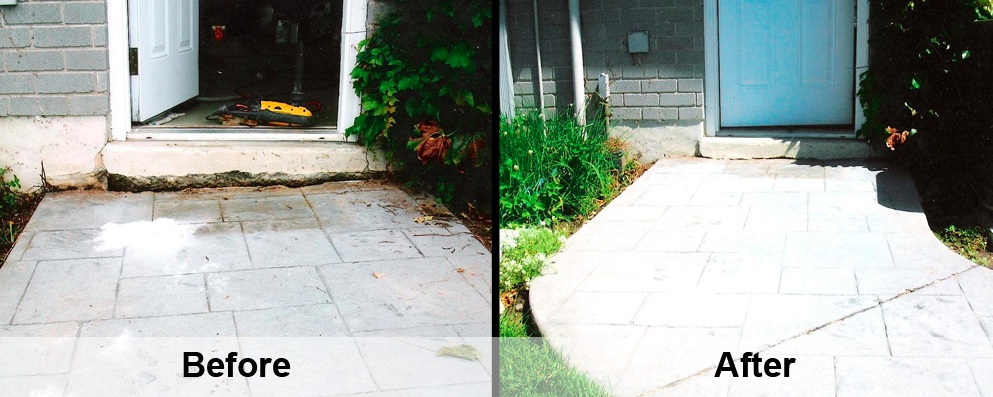
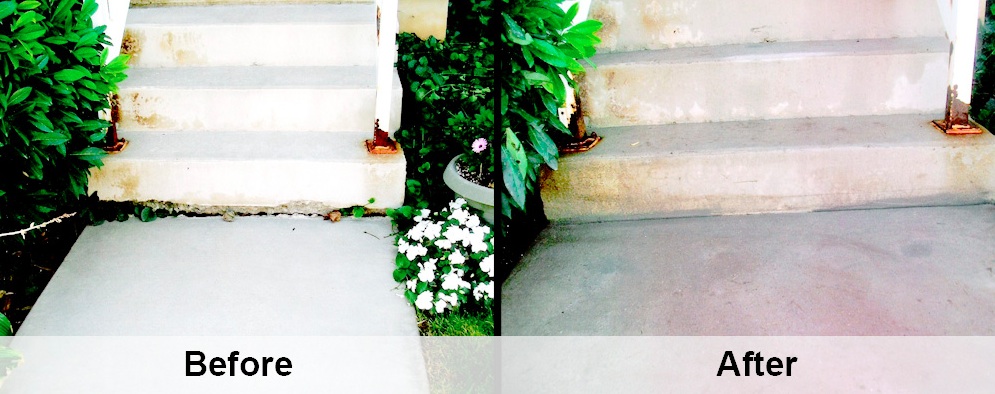
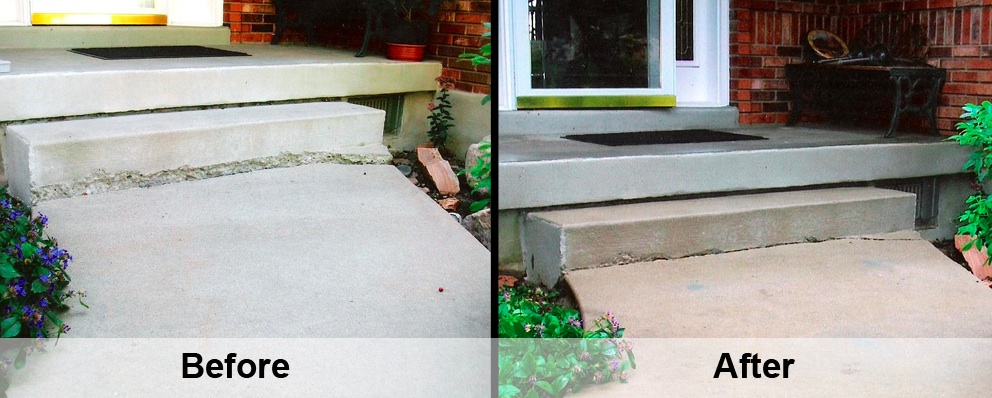
Concrete lifting is a straightforward. The crew arrives and drills a small hole in the sunken section. Using a high-powered pump, they inject grout beneath the slab, raising it up to its previous even level. They repair and seal all cracks, and when they’re done, the walkway, patio or driveway is once again smooth and level.

The entire job is complete within a matter of hours, and you’re able to walk or drive on the structure the same day.

Replacement vs. Repair

Compare the process of concrete lifting to replacement. Replacing a section of concrete, or an entire concrete structure, is a much more time-consuming, involved process.

First, the existing concrete has to be demolished and removed. The area must be compacted and prepared for pouring new material. Place forms may have to be built as well. You can be sure that all this activity is going to disturb, and possibly even ruin, your surrounding landscaping.

Ignoring the Problem Is the Biggest Threat to Your Yard

It’s normal to worry how a project like concrete repair will affect your yard, but doing nothing about your sinking concrete is what will damage your plants! The reason your concrete started to sink in the first place is likely because of soil erosion.
Over time, as more and more soil washes out from underneath your concrete, it could begin to affect nearby landscaping as well.

And when the damage gets so bad that repairs are no longer an option, replacing the slab becomes necessary, and that’s a project that can pose a threat to your landscaping.

At Lift-Up Concrete, we take pride in what we do, just like you take pride in your landscaping. We handle your property with care, completing our project with little to no disturbance to your flower beds. You can trust us to repair your concrete without destroying your yard in the process — we promise.

Call us today for references, pictures of our completed projects and a free quote.

concrete maintenance

Do You Need Regular Concrete Maintenance?

You already have a long to-do list — should concrete maintenance be a priority?

As a homeowner, you have plenty to take care of, from yard work to home repairs and renovation projects. But by adding concrete maintenance to your annual list of chores to complete around the house, you will keep all concrete structures in good condition and prevent more expensive repairs in the future.

Driveways Require Attention

Your concrete driveway takes a beating. If any area of your property needs concrete maintenance, it’s the driveway. Your cars leak oil and other fluids on the surface. Snow and ice build up in the harsh winter months. Your driveway has to be functional, but you also want it to look good. After all, it’s one of the first areas others see — it can make or break your home’s curb appeal.

Caring for your driveway means keeping it sealed. Experts generally recommend deep-cleaning then resealing a concrete driveway once every two years, but it depends on how much use it gets, and the weather conditions in your region. You may have to pressure wash it and seal it once a year if it’s severely stained or the surface is scaling.

In general, try not to use de-icing salts on your driveway — the accelerated freeze/thaw cycle causes it to break down more quickly. Also, try to eradicate stains as soon as possible to prevent them from becoming permanent.

Seal Your Pool Deck

Concrete maintenance is vital for your pool deck. This structure supports your pool liner, plus you want it to look beautiful in the summer. It’s important to seal your pool deck regularly so it can withstand exposure to chlorine and other pool chemicals and maintain its smooth surface through every season.

Protect Your Patio

Since it’s close to your garden, your patio gets dirty. Your guests may drop a drink accidentally, staining the concrete. Think about all the foot traffic your patio gets — it’s probably more than all your other concrete surfaces combined.

Applying a durable sealant can keep your patio from showing its age, but first thoroughly sweep and pressure wash the surface. Make sure cracks and holes are filled as well. You could also paint the patio to fit into your backyard design and match your style.

Get Prompt Repairs — Call Our Team

While regular concrete maintenance is a good preventive measure, it’s important to keep a watchful eye out for any major problems. If your concrete starts to crack, sink or buckle, what should you do? Call Lift-Up Concrete, and we will come out and assess the damage. Using the time-tested repair method known as slabjacking, we can even out and restore badly damaged concrete until it looks like new. Contact us today for your free quote!

rodents-ruin-concrete

Rodents Can Ruin Concrete. Do You Have Bothersome Burrowers?

It may come as a surprise, but rodents can ruin concrete faster than nearly anything else!

From patios to pool decks, mice, voles and rats burrow in and make their homes exactly where they are unwanted. If you’ve been noticing sinking, crumbling and caving in your concrete surfaces, you may find that rodents are to blame.

What to Watch For

First, rodents can ruin concrete by tunneling underneath it. By removing the soil that provides the stable foundation for your concrete steps or patio, they’re creating a void that threatens the stability of the concrete structure.

With no supportive earth beneath, the concrete slab will sink, causing cracking and crumbling. The unsightly surface compromises your home’s aesthetics and creates dangerous trip hazards.

Rodents can also ruin concrete by chewing through it. A solid concrete slab isn’t susceptible to their burrowing, but aging, weak and crumbling concrete is no match for determined rodents. They can chip away at the concrete structure and weaken it even further.

How to Eradicate Rodent Invaders

Homeowners with rodent problems have to know what to do when faced with these issues, because acting as soon as possible could save your concrete from serious damage.

First, clean up your yard. Rake up dead leaves and foliage that could serve as a food source or nesting material for these critters. Also, treat your lawn with insect repellent regularly throughout the year. Put birdseed indoors, and don’t leave pet food outside. Keep your trash and recycling bins covered securely, and store them in your garage if possible.

If rodents can’t find anything to eat near your home, they’re much less likely to hang around.

Clean up dead branches and stack firewood inside your garage so they no longer have a place to call home. Trim bushes and trees, and use mulch minimally. Mice love to burrow into mulch because of its insulating properties.

Once you’ve removed their food sources and hiding places, put traps in strategic locations, such as next to your concrete staircase, or where the corner of your home and concrete patio meet.
Rodents love peanut butter, so use this as your trap bait. When you catch a rodent, make sure to place it in a sealed bag and dispose of it right away, using gloves to protect yourself from disease.

How to Fix the Damage

Once you’ve taken care of your rodent problem, it’s time to fix your damaged concrete. If rodents have burrowed underneath and caused the concrete to sink, slabjacking is an affordable, effective repair method. Injecting grout underneath the slab will restore the secure foundation that the rodents destroyed, and it will raise the slab back to its previous, even level.

Talk to the team at Lift-Up Concrete for more information about how rodents can ruin concrete, and how slabjacking can work for you.

concrete slabjacking Utah

Slabjacking Can Fix These Unexpected Areas

Concrete lifting, popularly known as slabjacking, isn’t a new concrete repair method; it’s been
widely used for years. But with modern tools and advanced grout mixtures, it’s now more
effective than ever.


You may be surprised to learn just how effective slabjacking can be in areas you thought were
damaged beyond repair. Don’t write off your sinking concrete just yet — there may be hope in the cost-effective, speedy repair solution known as slabjacking.

The following four areas can benefit from professional slabjacking:

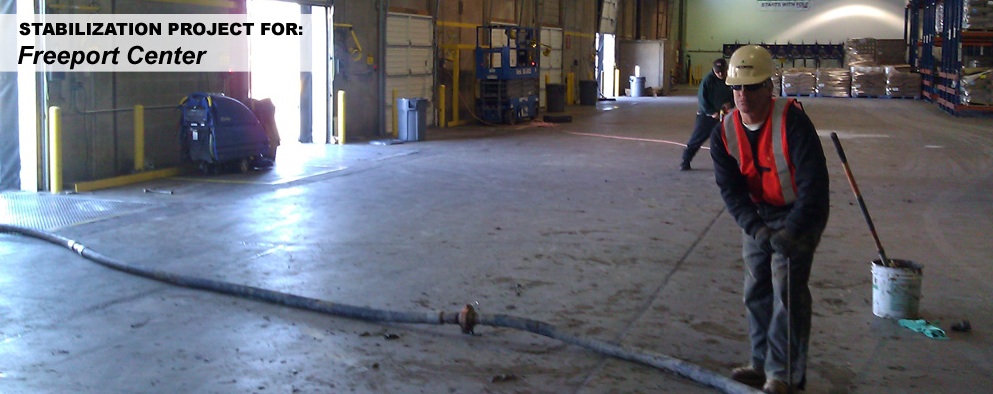
1.Your Business Parking Lot

Sure, slabjacking can raise your sidewalk or a sunken portion of your driveway, but what
about the uneven areas in your company’s parking lot?

When concrete parking lots sink, business owners worry about how it looks and how it could
affect their customers and employees. A commercial property that appears to need
maintenance doesn’t contribute positively to your business’ reputation. Also, trip-and-fall
injuries are a real threat, and evening out your concrete could reduce this risk.

Believe it or not, it doesn’t matter how big your parking lot may be — slabjacking has the
power to handle large areas.

2.Your Tilting Porch

Do you have a porch that’s tilting away from your home?

The cause may be shifting concrete footings. Soil erosion and settlement can compromise the
stability of your porch’s concrete footings, but slabjacking can help move them back into their
original position and guard against further movement.

You will be free to safely enjoy backyard barbecues on your deck once again!

3.Your Sinking Basement Floor

Slabjacking works inside your home as well as outside. When your basement floor cracks and
one half begins to sink, your first instinct is to hire an expensive foundation repair company.

You should definitely have the problem inspected by a foundational engineer, but don’t
discount slabjacking as a potential repair option. Strategic concrete lifting targeted to
problematic areas could put a stop to the problem, as long as the root cause of the foundation
trouble, such as soil erosion, is addressed as well.

4.Your Cracking Pool Deck

Your backyard pool is a gathering place for neighbors, family and friends in the hot, dry
summer months. You want it to look inviting and you want your pool area to be a safe
environment where everyone can cool off.

What do you do when a section of your concrete pool deck starts to sink? Not only does it
look unsightly and create a trip hazard, it could also damage your pool’s liner — that’s an
expensive fix.

Slabjacking can stabilize a shifting pool deck and make those cracks disappear, and all for a
small fraction of the price of complete pool deck replacement.

Want to learn more about how slabjacking can help restore your home or business property? Call Lift-Up Concrete today to get a free quote for your project.