Author Archives: seowerkz

concrete lifting Ogden, Utah

Concrete Lifting – An Affordable & Effective Fix for Settled Slabs

Concrete lifting, or mudjacking, is the least expensive fix for a settled slab at a residential property in Ogden, Utah. The price is far lower than other methods of concrete repair — but don’t you get what you pay for? If you go with mudjacking, will you come to regret that choice?

Not at all. While the cheapest way of solving a problem isn’t always the best route to take with most home improvement projects, that isn’t the case for concrete repair. As long as you have a reputable company like Lift-Up Concrete handle the work, concrete lifting can provide an affordable, high-quality fix for settled slabs. Here’s what homeowners in Ogden need to know.

Concrete Lifting is a Proven Repair Technique

In our experience, many people throughout northern Utah are unfamiliar with mudjacking – but the technique of concrete lifting isn’t new.

Developed back in the 1930’s, mudjacking was initially used to lift and stabilize concrete highways, airline runways, dams and roadways. Later on, contractors began to rely on mudjacking for small-scale commercial and residential projects. The repair method has a long history of success, and it’s been proven to work for just about any settled slab. For uneven sidewalks, slanted driveways, sunken porch steps, sagging patios, lopsided pool decks and tilted garage floors, mudjacking is a highly effective fix.

Concrete Lifting Offers Attractive Results

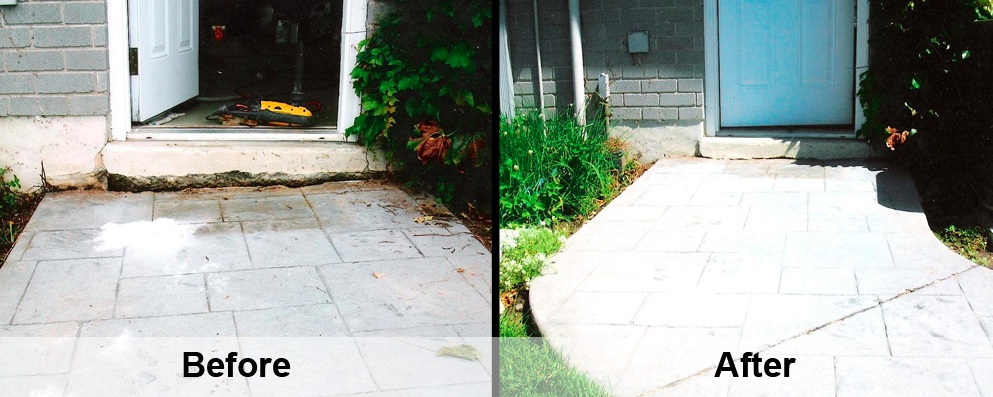
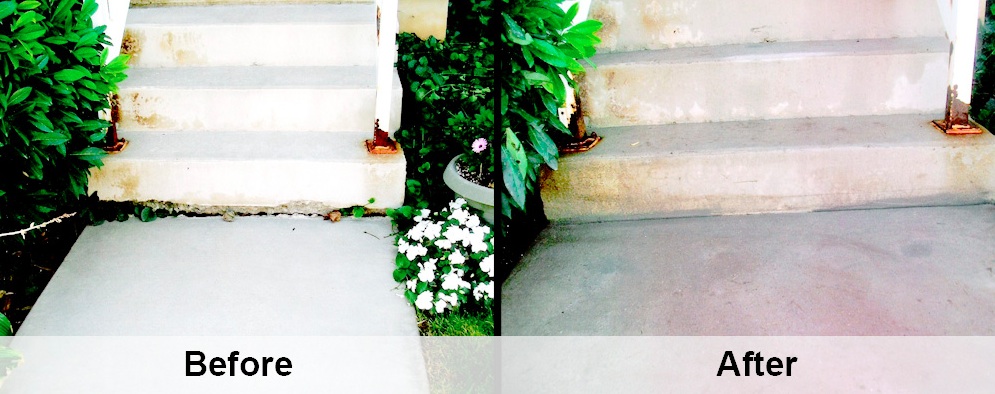
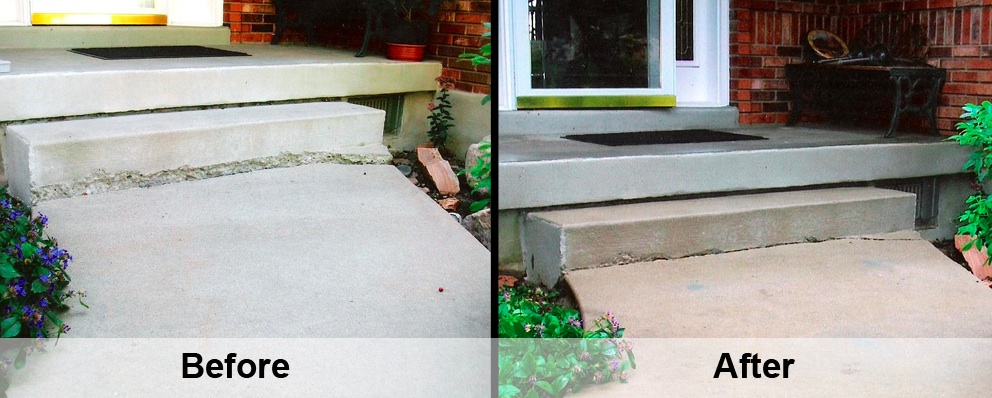
Settled slabs have a negative impact on curb appeal, but after mudjacking, damaged concrete no longer diminishes the charm of an Ogden residential property.

During the concrete lifting process, a few small holes are drilled in the affected slab. Once the concrete has been leveled and caulk has been applied, however, these holes are virtually invisible. The same is true of any cracks in the concrete, and with caulk that’s a close match in color to the original slab, the outcome is aesthetically pleasing. Many people find the results to be superior to what can be achieved with a tear-out and replacement project, as newly poured concrete is often rather conspicuous.

Concrete Lifting is the Greenest Repair Option

Mudjacking isn’t just an effective, low-cost repair technique that offers appealing results – it’s also the most eco-friendly solution for a settled slab.

The cement-based mixture used is comprised of completely natural ingredients like Portland cement and limestone aggregate. Not only does the slurry contain no synthetic fillers or chemicals, but professional contractors take care to ensure that none of the mudjacking material is wasted. Add in the fact that concrete lifting requires very little fossil fuel energy – just a single truck with a hydraulic pump and a powerful drill — and it’s easy to see why it’s the green approach.

The Many Benefits of Concrete Lifting

We’ve already mentioned that concrete lifting is the cheapest repair option, one that’s proven to work and provides aesthetically appealing results. We’ve also explained what makes mudjacking a sustainable repair solution. But, these aren’t the only reasons it’s often considered to be the best fix for a settled slab.

Why is concrete lifting the recommended approach? Ogden homeowners who go with mudjacking also enjoy the following advantages:

  • Value – Filling the air pockets in the soil under a slab with the cement-based mudjacking mixture addresses the cause of the problem and makes the concrete more stable and secure. The slab tear-out and replacement process doesn’t, and opting for that sort of fix means settlement is likely to reoccur.
  • Longevity – Since mudjacking works to fill the empty spaces in the underlying soil, the results are long-lasting. In Ogden, Utah, most settled slabs that are lifted and stabilized through concrete lifting remain anchored in position for at least 8 to 10 years. The same can’t be said of slab replacement.
  • Time – In most cases, mudjacking projects can be completed within just a couple of hours. Afterwards, the slab is ready for light use immediately, and heavy weight by the next morning. Slab replacement can take weeks to complete, and with curing needed, the surface may be unusable for a month or more.

What’s more, mudjacking isn’t a messy project. Once complete, the nearby landscaping looks the same – there’s no damage from the truck or the machinery. In contrast, the demolition work involved in a slab tear-out and replacement project can really wreak havoc on the landscape. We don’t think any Ogden homeowner wants that problem when the work crew leaves.

Schedule a Free Consultation with Lift-Up Concrete Today

Is concrete lifting the best solution for your settled slab? Probably – but to get an expert opinion at no cost, schedule a consultation with the Lift-Up Concrete team.

With our knowledge, skill and years of experience, we have what it takes to overcome concrete settlement and provide high-quality, long-lasting results. We’re known for our affordable pricing and exceptional customer service, and if we can’t save your slab through mudjacking, you can count on us to find an approach that appeals to your needs.

For more information on mudjacking and the other services we offer at Lift-Up Concrete, or to schedule a free, no-obligation consultation to discuss concrete lifting for a settled slab at your Ogden, Utah, home, contact our office today.

concrete lifting Salt Lake City

Concrete Lifting Can Abolish Trip Hazards at Salt Lake City Homes

While concrete-related trip hazards are often more of a concern with commercial properties in Salt Lake City, Utah, homeowners can benefit from concrete lifting, too – and getting the work done provides more than an aesthetic boost.

How so? Well, if you own a residential property and you know there’s an area in need concrete repair, you may be held financially liable if someone falls and injures themselves. The same might be true if a trip hazard exists that you, as the homeowner, should have discovered. Concrete lifting can help you avoid these potential liability concerns. Here are the most common concrete-related issues that you may need to address to protect your interests and keep your Salt Lake City property safe.

Cracked Driveways

Typically one of the largest slabs on a residential property, the driveway handles a great deal of weight and pressure on a regular basis. Over time, as the soil underneath expands, contracts and shifts in response to the moisture level, driveways can develop cracks. Depending on the exact location, these cracks can serve as trip hazards, but a professional concrete repair contractor can eliminate the problem.

Sinking Sidewalks

Damaged and deteriorated sidewalks are another liability concern. While the local public services department handles sidewalk repair in some parts of northern Utah, that isn’t the case here – in Salt Lake City, the adjacent property owner is responsible. When the sidewalks near a home sink and become trip hazards, concrete lifting is a solution – but for those who take advantage of the 50/50 concrete program, the City shares the cost.

Uneven Steps & Porches

Many Salt Lake City homes have steps leading up to the front and/or back doors, and porches are common features of residential properties. These slabs are usually put in place late in the building process or during renovations, and being separate sections of concrete, they’re more susceptible to sinking than foundational slabs. Fortunately, concrete lifting can eliminate hazards and lower the liability risk.

Settled Pool Decks

For homeowners who have in-ground swimming pools, slab settlement can pose a significant danger. If the soil surrounding the pool area wasn’t properly compacted, or if there’s another issue – like improper ground slope, frost heave or water infiltration – the pool could lose its structural integrity. When a pool deck starts to sink and settle, prompt concrete lifting can make the swimming area safe for everyone to enjoy.

Do you have any concrete-related trip hazards? If your home is in Salt Lake City or the surrounding northern Utah area, Lift-Up Concrete is the company to call. Our team has the experience and skill to address liability concerns, and with us, repairing a damaged slab is affordable.

For details on our services, or to schedule a free, no-obligation consultation to discuss concrete lifting, contact us today.

concrete repair Utah

Why Do Slabs Settle? Reasons Utah Homeowners Get Concrete Repair

A cracked and settled slab can have a negative effect on both the value and the curb appeal of your Utah home. Concrete repair can reverse that, while also making the landscape less of a safety hazard. But, you no doubt already knew all of this – and what you need to know is why slabs settle.

If you don’t already have a settled slab at your home, you’ll likely face this issue at some point. As any residential concrete repair contractor in Utah will tell you, settlement and cracking are pretty much inevitable. That’s just the nature of concrete.

However, if you understand what might cause the slabs surrounding your home to settle, you may be able to address some of the problems and stave off the need for concrete repair. Below, the experienced professional team at Lift-Up Concrete explains the reasons slab settlement commonly occurs in Utah.

Soil Composition

Clay-rich soils are prevalent throughout the state of Utah. When saturated, this type of soil expands, and when it dries out, it contracts. As this action continues over time, concrete can shift out of place.

Concrete Problems

Mistakes made when a slab is installed can lead to the need for concrete repair. For example, using faulty footings or the wrong water-to-cement ratio might cause a slab to sink, settle and crack.

Poor Compaction

Similarly, concrete settlement can also be the result of poor preparation during the initial slab installation. If the soil isn’t compacted properly, air pockets remain under the concrete, causing it to sink.

Ground Slope

Excess moisture in the soil may be to blame for concrete instability and settlement in Utah. When the ground is sloped directly toward a slab, water runoff can easily infiltrate the soil underneath.

Drainage Issues

Water infiltration isn’t always due to ground slope – sometimes, a home’s gutter system is the problem. Downspouts need to be directed away from the concrete, or pooling water can lead to settled slabs.

Soil Washout

Concrete repair might also be necessary if a sudden gush of water creates gaps under a slab and causes it to settle. Utah homeowners face this problem with serious plumbing leaks and after heavy rainfall.

Frost Heaving

In Utah, frost heave often occurs. Snow melts into the earth and the temperature plunges, making the water freeze. Once it thaws, the soil contracts. Repeated over the course of winter, this is problematic.

Burrowing Animals

Voles, mice, rates and other critters like to dig tunnels under concrete, and in doing so, compromise a slab’s integrity. Settlement is the result, and when animals cause a slab to sink, concrete repair is the solution. 

Bulging Tree Roots

Trees growing close to a slab can also be responsible for concrete settlement around a Utah home. As the root system extends into the soil underneath a slab, the resulting pressure can cause it to sink and crack.

What Utah Homeowners Need to Know About Concrete Repair

While concrete repair might not be at the top of your to-do list, putting off the project isn’t in your best interests. If you have any settled slabs at your Utah home, dealing with the issue now is wise for a few reasons.

Repairing settled concrete is important because:

  • Sunken and cracked concrete isn’t just an aesthetic issues – it’s a safety risk.
  • A Utah homeowner may be liable if damaged concrete is the cause of an injury.
  • Settled slabs can create drainage issues and pooling water around a property.
  • After concrete repair has been completed, the value of a Utah home increases.

In addition, holding off on concrete repair isn’t a good idea, as the longer you wait, the worse the settlement and damage will get. The bigger the problem, the more costly the solution – and if you put off the project for too long, repairing a settled slab may not be possible. In that case, tearing out and replacing the concrete would be the only option, and that’s a much more expensive endeavor.

Why Not Take the Do-It-Yourself Approach to Concrete Repair?

Many Utah homeowners think that fixing a settled slab is simple, and that watching a few videos and reading a tutorial or two teaches you everything you need to know. That’s not the case – and going the DIY route isn’t such a good idea.

Concrete repair requires specialized tools, and attempting to address slab settlement without the right equipment could result in additional damage. Sure, you could rent or purchase a high-power concrete drill and a hydraulic pump, but creating a stable cement slurry to inject into the soil voids isn’t easy. And, you’ll just be guessing where and how much of the slurry mixture needs to be injected, so your efforts may only provide a temporary fix.

What’s more, do-it-yourself concrete repair is likely to give you amateurish results. With an experienced professional contractor, the repair work is nearly invisible and evidence of any slab settlement will be difficult to spot.

Contact Lift-Up Concrete for a Free Concrete Repair Consultation

The professional team at Lift-Up Concrete has the skill, knowledge and expertise to fix slabs that settle, sink and crack. We offer affordable, high-quality service – and in most cases, we can restore a settled slab in just an hour or two. For a free, no-obligation concrete repair consultation at your Utah home, contact us today!

concrete repair Ogden

Mudjacking: An Environmentally Responsible Concrete Repair Method

Mudjacking, or slab leveling, is almost always the ideal concrete repair solution for a cracked, sunken or settled slab. It’s quick, effective and less costly than the alternatives, making it the most practical option for Ogden property owners.

The cherry on top? Mudjacking is also an eco-friendly method of concrete repair, allowing you to fix the damaged concrete at your northern Utah home or business without leaving a large carbon footprint. Here’s what makes slab leveling an environmentally sound repair technique.

Natural Materials

Mudjacking involves a cement-based slurry, which is pumped through the concrete and into the soil underneath. No chemicals or synthetic fillers go into the slurry – it typically contains Portland cement, water, limestone aggregate and other organic materials. As the grout mixture used is completely natural, slab leveling is an eco-friendly concrete repair solution.

No Wasted Resources

During the mudjacking process, the mudlike slurry spreads out, filling the air cavities in the soil and creating pressure, which works to level and stabilize the slab. Professional contractors carefully control the amount of grout going into the ground, only pumping through enough to get the job done. Nothing is wasted, which helps keep the environment clean.

Not Much Energy Use

Slab leveling requires just one truck, equipped with a powerful drill and a hydraulic pump. A minimal amount of fossil fuel energy is needed to run the equipment, and a few hours is all it takes to complete most Ogden concrete repair projects. Since mudjacking doesn’t involve lots of power-hungry gear and gas-guzzling trucks, the environmental impact is minimized.

No Landscape Damage

When an Ogden concrete repair project is complete and work crew leaves the property, the look of the landscape isn’t all that different from when they arrived. Experienced professional contractors — like Lift-Up Concrete — make sure to park the work truck out of the way and take great care to ensure no environmental or landscaping damage is done. Really, the only change is the levelled slab.

Do You Need Concrete Repair?

At Lift-Up Concrete, doing what we can to protect the local northern Utah environment is a responsibility we take quite seriously. Practicing sustainable repair techniques and placing less of a demand on nature is important to us – and we’re just as committed to customer satisfaction.

Turn to us for slab leveling, and you can expect top-notch workmanship and stellar service. Mudjacking will be affordable, too, and you’ll enjoy the peace of mind that comes with knowing that you’re making an environmentally responsible choice.

For more information on mudjacking, or to schedule a free, no-obligation consultation to discuss concrete repair at your home or business in Ogden, Utah, get in touch with Lift-Up Concrete today.

concrete leveling Salt Lake City

Breaking Down the Costs of Concrete Leveling

Cost is an important consideration with any type of property renovation. As such, before you move forward with concrete leveling at your Salt Lake City home, you’ll want to understand the financial impact of the project.

To find out how much you’ll need to budget, you’ll need to get estimates from a few local professional mudjacking contractors. The average price online for concrete leveling can be found online, but a number of factors contribute to the cost — and since every project is unique, there’s no way to predict if the total to level and stabilize your sunken slab will be close to the national average.

What we can say, though, is that for homeowners in Salt Lake City, concrete leveling is the least expensive method of fixing an uneven slab. To explain what the cost covers, here’s a look at the various elements that go into our concrete repair estimates.

Baseline Costs for Concrete Leveling

Every service business has fixed costs, or unavoidable expenses like rent, property taxes, wages and utilities. Professional mudjacking contractors have these sorts of overhead expenses, too, and for a concrete repair company, tools, equipment, employee training, licensure and insurance are also fixed costs.

Estimates for concrete leveling start with a baseline fee to cover the company’s fixed costs. The amount can vary between mudjacking contractors in the Salt Lake City area, but be wary of anyone who charges very little – consider that a red flag for problems.

Enormity of the Voids Under the Slab

When a concrete slab starts to sink into the ground, voids or air pockets within the soil underneath are usually to blame. The expansive clay soil commonly found in northern Utah is vulnerable to the development of voids, and other issues, such as burrowing animals and tree root growth, can make matters worse.

The concrete leveling process can effectively lift and stabilize a sunken slab, but for that to happen, all of the empty spaces in the soil underneath must be filled with a cement slurry. Extensive voids require more of this mixture, driving up the cost of the repair.

Scope of the Concrete Repair Project

Just like any other property improvement project, the cost of concrete leveling depends largely upon the size of the job. So, for instance, a Salt Lake City homeowner who wants to fix a small patio or a section of the sidewalk will likely pay less than someone who needs concrete repair for a badly settled pool deck or driveway.

The key to paying a fair price given the scope of the work involved is to choose a trustworthy mudjacking contractor, one who will measure the area in question before providing an estimate. Here at Lift-Up Concrete, that’s the standard practice.

Difficulty in Completing the Repair Work

Estimates for all types of business services also include labor charges, and the more time and work a project requires, the higher the total labor costs. When it comes to a Salt Lake City concrete leveling project, the cost of labor is directly related to two elements – how easy the area is to reach and how much the concrete has settled.

With a slightly sunken slab in a spot that’s easily accessible, concrete leveling can be completed quickly, resulting in low labor charges. When a mudjacking contractor has to work in tight quarters or concrete settlement is more extensive, the opposite is true.

Urgency in Leveling the Sunken Slab

Service businesses often have very busy schedules, and while many are willing to take rush jobs, most charge extra to complete work on an expedited timeline. The is the norm for northern Utah companies that offer concrete leveling, but some Salt Lake City homeowners need an immediate fix, despite the added cost.

While swift action to lift and stabilize uneven concrete at a residential property is rarely required, certain issues, such as problems with wheelchair access, may call for urgency. For those concerned about cost, Lift-Up Concrete can create a payment plan.

Comparing Concrete Repair Estimates

No Salt Lake City homeowner wants to pay any more than necessary for concrete leveling – and the best way to make sure you don’t get overcharged is to get at least a few estimates from local professional mudjacking contractors. That way, you can compare costs and snag a great price.

Having said that, cost isn’t the only important factor for a concrete leveling project. Automatically going with the concrete repair company that comes in with the lowest bid may not be in your best interests. In this situation, you do get what you pay for, so take the time to consider each contractor’s experience and qualifications. Check their references and company reviews, too, and don’t forget to look into the warranty they provide for their work. A few minutes of research can keep you from making a potentially costly mistake.

Lift-Up Concrete, a leading northern Utah concrete repair company, serves homeowners and commercial clients in Salt Lake City and the surrounding area. To request a free, no-obligation consultation and estimate for concrete leveling, contact us today.

concrete lifting Ogden, Utah

Why Do Experts Recommend Concrete Lifting Over Slab Replacement?

Concrete lifting is almost always the ideal solution for a damaged slab. Also known as mudjacking, the repair technique is commonly used in Ogden and throughout northern Utah. All things considered, when it comes to uneven sidewalks, cracked driveways, sagging patios and other concrete surfaces with settlement-related damage, mudjacking is typically recommended over slab replacement.

So, why is mudjacking considered to be the best repair option?

Concrete Lifting is a Faster and Easier Fix

The process of tearing out and replacing a damaged slab takes several days, and afterwards, the concrete needs time to cure. All told, the surface may not be useable for a few weeks.

Mudjacking is a much faster process – most projects are finished in just a couple of hours, and when the contractor leaves, the slab is immediately ready for light use. A few hours later or by the next day, the concrete can handle heavy weight.

Concrete Lifting Offers Exceptional Results

Replacing a damaged slab might make sense if doing so would provide better results than mudjacking, but that’s not the case. Issues within the soil aren’t resolved through slab replacement, and quite often, the new slab doesn’t match the nearby concrete.

In contrast, the mudjacking process addresses the root of the problem by stabilizing the soil under a damaged slab. As such, the concrete remains secure for many years to come. And with just a few small holes drilled in the slab, the work is hardly noticeable.

Concrete Lifting is an Eco-Friendly Solution

With slab replacement, the concrete that’s removed is often goes to the local landfill, and while it can be recycled, that doesn’t always happen. In addition, tearing out and replacing a slab requires both fuel-burning trucks and power-hungry equipment.

Mudjacking is a much more environmentally responsible technique. The materials used are natural, there’s no waste and a single truck equipped with a drill and a hydraulic pump gets the job done. Clearly, mudjacking is the greener choice.

Concrete Lifting Comes at a Much Lower Cost

As the saying goes, you get what you pay for – but in the case of concrete repair, spending more isn’t sensible. Mudjacking offers fast, long-lasting results and the work leaves a little carbon footprint. Plus, mudjacking comes at a very nice price.

Slab replacement is a time-consuming and ecologically unfriendly process, and compared to mudjacking, it’s less effective. Considering that replacing a damaged slab can cost two to three times as much as mudjacking, going that route can be impractical.

Schedule a Free Concrete Lifting Consultation

Although we’d love to say that mudjacking can work to lift and stabilize every damaged slab, that isn’t quite true. With severely crumbled or cracked concrete and sunken slab foundations, other concrete repair methods are recommended.

To find out if mudjacking can work to fix the damaged slab at your Ogden home or business, contact Lift Up Concrete and schedule a free, no-obligation concrete lifting consultation today.

concrete repair Salt Lake City

Concrete Repair in Salt Lake City – Questions & Answers

So, you’d like to fix a cracked or settled slab at your home or business property. As you look into the options for concrete repair in Salt Lake City, you come across mudjacking – and since you’re not familiar with the repair method, several questions spring to mind.

If that’s been your experience, we’re not at all surprised. For anyone who hasn’t dealt with a damaged slab before, it makes perfect sense to be in the dark about mudjacking. Bearing that in mind, we’re happy to provide you with information you need on concrete repair. Below, you’ll find answers to some of the most frequently asked questions we get from our customers.

How Does Mudjacking Work?

The mudjacking process is rather simple. First, professional concrete repair contractors drill a few strategically placed holes in the damaged slab. A hydraulic pump is then used to send a mud-like slurry down through the holes, and the mixture fills the voids or air pockets in the underlying soil. Once these have all been filled, pressure restores the concrete slab to its original stable position.

How Long Does Mudjacking Take?

Mudjacking isn’t a time-consuming method of concrete repair – quite the opposite, in fact. Experienced professionals are typically able to complete most Salt Lake City projects within a few hours, and mudjacked slabs are immediately ready for light use. Later in the day or by the next morning, the concrete is capable of handling heavy weight.

Large-scale concrete repair projects can take longer, of course, but nowhere near as long as the process of tearing out and replacing a damaged slab. Go that route instead of going with mudjacking, and you may not have a usable concrete surface for weeks.

How Much Does Concrete Repair Cost?

As every concrete repair project is unique, professional contractors consider what is required to fix a cracked or settled slab before providing an estimate. A number of factors can impact the total cost of mudjacking, including the severity of the soil voids, the scope of the work involved and the difficulty in accessing the damaged concrete.

Mudjacking estimates are customized, based on the project parameters and the needs of the client. But, the cost is always far below the price for a slab tear-out and replacement – if you settle on that option, you can expect to shell out two to three times as much money as you would for mudjacking.

How Noticeable Is the Concrete Repair?

After the drilled holes and any cracks in the slab have been filled and sealed, little evidence of the concrete repair work can be seen – stand a short distance away, and the slab will look just right. With the concrete even again, most people won’t even be able to tell that you had mudjacking done.

What about up close? Anyone who looks will see that the slab has been repaired. But that might be the case if you opt for a tear-out and replacement, too, as newly poured concrete often looks off-color in comparison to the slabs already in place.

How Long Do the Results of Mudjacking Last?

While excessive weight or faulty construction practices can be to blame for concrete damage, changes or issues within the soil under a cracked or settled slab are almost always the cause. The process of mudjacking eliminates soil instabilities, and as long as the concrete is properly caulked and periodically resealed, the slab should remain solidly in place for at least a decade.

How does that compare to the results from tearing out and replacing a damaged slab? Since that type of project doesn’t include any measures to do away with voids in the underlying soil, it’s highly likely that the newly poured concrete will settle at some point in the near future.

Can Mudjacking Work for Any Damaged Slab?

Mudjacking is the ideal repair solution for just about any damaged concrete slab. Professional contractors recommend mudjacking over tear-out and replacement for Salt Lake City property owners with sunken sidewalks, settled patios, uneven steps, sagging driveways, cracked garage floors and other slabs with settlement-related damage.

That said, crushed or badly crumbled concrete isn’t a candidate for mudjacking, and the repair isn’t an option for projects involving foundation damage or major structural problems. Choose a reputable contractor like Lift-Up Concrete, and you’ll get an honest opinion as to whether or not mudjacking is the right method of repair.

Have Other Questions About Concrete Repair?

The friendly and knowledgeable team at Lift-Up Concrete, based just outside of Salt Lake City in Kaysville, Utah, can answer all of your questions about mudjacking and provide you with expert advice on the best concrete repair solution for your cracked or settled slab.

Lift-Up Concrete, a trusted local professional contractor with several decades of combined experience in the field of concrete repair, offers complimentary mudjacking estimates to property owners in Salt Lake City, along the Wasatch Front and throughout the surrounding northern Utah area. If you have a damaged slab at your home or business, contact our office and schedule a free, no-obligation concrete repair consultation today.

Uneven Concrete Driveway

How to Fix Your Uneven Concrete Driveway in Ogden, UT

Has your once-smooth driveway become an uneven, bumpy mess? If so, you’re not alone. Many homeowners in Ogden, UT have experienced the same thing. But don’t despair! If you live in the Ogden, UT area, Lift-Up Concrete Lifting, LLC, will solve your uneven driveway problems. We have the experience and expertise to get the job done right.

If you’re wondering what some of the causes of an uneven driveway are, and what your options are when it comes to repairing. This blog post addresses these concerns.

Causes of an Uneven Driveway

Over time, your driveway will inevitably settle and start to show signs of wear. Depending on the climate and the amount of traffic it receives, these changes can happen relatively quickly, in as little as a few years. There are several reasons why your driveway may have become uneven. The soil underneath the pavement may have shifted or eroded. This can be caused by everything from heavy rains to tree roots growing underneath the surface.

The pavement itself may have cracked or broken due to age or excessive weight. And any landscaping around the driveway, such as shrubs or trees, may have caused settling by dislodging the soil beneath the pavement. If you notice that your driveway is becoming uneven, it’s important to take action to prevent further damage. Otherwise, you may find yourself dealing with bigger problems down the road.

Fixes for an Uneven Driveway

One common fix for an uneven driveway is to have it resurfaced. This involves removing the top layer of asphalt or concrete and replacing it with a new layer. This can often be done relatively cheaply and will give your driveway a whole new lease on life.

Another option is to have the entire driveway replaced. This is obviously a more expensive option, but sometimes it’s the only way to achieve a smooth, level surface. Whichever option you choose, make sure to hire a reputable contractor, like Lift-Up Concrete Lifting, LLC, with experience in fixing uneven driveways.

Fixing an Uneven Driveway Is Not a Do-It-Yourself Project

You need the right tools and equipment to get the job done. Fortunately, Lift-Up Concrete has the tools and equipment necessary to fix your driveway quickly and efficiently. We use state-of-the-art concrete leveling technology to ensure that your paving is level and even. And our experienced professionals have the training and expertise to make sure your driveway is safe and looks its best.

Benefits of Having a Level Driveway

There are many benefits to having a level driveway. A level driveway is safer because it prevents trips and falls. It is also more aesthetically pleasing and can increase the value of your home. If you are selling your home, potential buyers will be more likely to make an offer if the driveway is level and in good condition.

Your driveway is one of the first things people see, so you want to make sure it looks its best. Uneven paving can be unsightly and can even pose a safety hazard. Don’t let an uneven driveway ruin your curb appeal. If you live in Ogden, UT, and need concrete leveling, contact Lift-Up Concrete Lifting, LLC, today. We’ll have your driveway looking better than new in no time. Contact us for a free estimate.

foundation crack causes concrete

Foundation Crack Causes, Meanings and Concrete Impact

There are a few “central” areas of most properties when it comes to concrete surfaces, and the most well-known in most cases is the foundation of the home or building. These are typically made of concrete and related materials, and also connect to other important concrete surfaces like driveways, garage floors and more — in many ways, concrete surface and foundations are all part of the same broad system.

At Lift-Up Concrete Lifting, LLC, we’re happy to offer concrete repairs for any concrete surface on your property, including driveway lifting and leveling plus services for patios, porches, garage floors and many other areas. When it comes to the foundation, one of the more common issues that no property owner wants to see is cracks in this area. How can these cracks come about, and how can you tell if they’re serious and threatening both the foundation itself and possibly other concrete surfaces? Here’s a simple primer.

Possible Cause of Foundation Cracks

There are a few different reasons why you may be seeing cracks in your foundation:

  • Moisture seepage: One of the most common causes of cracks in concrete is moisture seepage. This can come about due to a few different reasons, including improper drainage around the property, hydrostatic pressure and more. If you see any sign of moisture seepage in or around your foundation, it’s important to take action quickly to mitigate this before cracks have a chance to form.
  • Settling: Another common reason for foundation cracks is settling, which can occur as part of the natural aging process for a home or building. This can also be amplified by poor compaction of the soil around the foundation when it was originally built.
  • Shrinking: Cracks can also occur due to shrinking, which is again related to the natural aging process of concrete. As concrete dries and cures, it will slowly shrink — in some cases, this may cause cracks to form.
  • Temperature changes: Temperature changes can also cause foundation cracks. This is often due to thermal expansion and contraction, which occurs as the temperature outside fluctuates. If you live in an area with large temperature swings, this may be more likely.
  • Tree roots: Finally, tree roots may also be responsible for foundation cracks. As tree roots grow and expand, they can put pressure on the concrete and cause it to crack.

Signs of a Serious Crack

Now that you know some of the potential causes of foundation cracks, how can you tell if the crack is serious? First and foremost here is the size of the crack — a small, hairline crack is usually not something to worry about, but a large or gaping crack may be cause for concern.

In addition, you should also take note of the direction of the crack. If it runs vertically, this is generally not as serious as a horizontal or diagonal crack. This is because vertical cracks are often due to settling or shrinking, while horizontal and diagonal cracks may be indicative of more serious issues like moisture seepage.

Finally, you should also look at the location of the crack. If it’s in an area where there is a lot of stress on the foundation — such as near a support column — this may be cause for more concern than a crack in a less stressed area.

If you see any cracks in your foundation, it’s important to have them evaluated by a professional as soon as possible to determine if they are serious and what, if any, repairs may be needed. We’re happy to help at Lift-Up Concrete Lifting, LLC — simply contact us at your nearest convenience!

drainage mistakes impact concrete

Avoiding Common Drainage Mistakes that Impact Ogden Concrete

If you’re a regular reader in this space, chances are you’ve seen us discussing the vital realm of drainage and how it impacts exterior concrete surfaces on more than one occasion. Drainage is very important for ensuring water doesn’t end up in the wrong places on your concrete surfaces, where it may lead to concerns like cracks, moisture seepage and several others.

At Lift-Up Concrete Lifting, LLC, we’re happy to offer a wide range of concrete repair services to Ogden clients, including everything from garage floor and driveway services to areas like patio lifting and leveling. We regularly advise clients on their drainage setup and how it’s impacting their concrete, particularly in situations where it’s having a negative impact on the quality of their concrete surface. What are some of the most common drainage mistakes that can be made on a home or structure that may interfere with concrete? Here are some examples, plus simple tips on how to avoid them.

Ignoring Clear Issue Signs

If your drainage system is having problems that involve water being directed to areas it shouldn’t be, the signs of this will typically be pretty easy to spot. For instance, if you have water seeping through the cracks in your foundation or appearing in your basement where it wasn’t before, there’s a good chance that water is being directed to these areas due to poor drainage.

If you notice any changes like this happening on your property, it’s important not to ignore them but instead take steps to assess the situation and make changes as needed to your drainage setup. By doing so, you can help avoid bigger issues later on down the road.

Not Adjusting for Seasonal Changes

One of the things that often gets overlooked when it comes to drainage is the fact that seasonal changes can have an impact on how well your system functions. For example, during the winter months when there’s more precipitation, you may need to make adjustments to ensure your system can handle the increased amount of water.

Similarly, during the summer months when there might be drought conditions, you’ll also want to take steps to avoid having too little water in your drainage system. By making adjustments as needed based on the season, you can help ensure your system is always functioning as it should.

Failing to Routinely Inspect and Clean

Just like any other system on your property, your drainage system will also need to be inspected and cleaned on a regular basis to ensure it’s in good working order. This is particularly important if you live in an area with a lot of trees, as leaves and other debris can easily clog up your system if you’re not careful.

To avoid this, make sure to inspect your system regularly and clean it out as needed. This will help ensure it’s always able to function properly and doesn’t end up causing problems for your concrete surfaces.

No Drainage System at All

Perhaps the single largest mistake any property owner can make when it comes to drainage is not having a system in place at all. If you don’t have any kind of system in place, water will simply be left to run off your property in whatever direction it chooses.

This can obviously lead to a lot of problems, so it’s important to make sure you have some sort of system running. There are a few different types of systems that can be used, so consult with a professional to find the best option for your needs.

Trying to DIY Major Issues

There are certain parts of drainage maintenance that can be easily handled by the average homeowner, such as removing leaves or debris from gutters. On the flip side, however, there are certain issues that are best left to the professionals.

For example, if you’re dealing with a cracked pipe or a clog that’s located deep in your system, it’s generally best to call in a professional rather than try to tackle the issue yourself. Not only is this safer, but it can also help ensure the issue is resolved correctly the first time around.

Improper Directions

With concrete in mind specifically, the direction of your drainage system is vitally important. If water is being directed towards your concrete surfaces, it can lead to a number of problems such as cracking, staining and more.

To help avoid these issues, make sure your drainage system is set up in such a way that water is being directed away from any concrete surface on your property. This will help keep your concrete in good condition and prevent any unnecessary damage.

Old Materials

Finally, if your gutter and drainage system is still using materials that are outdated or in poor condition, it’s likely time for an upgrade. Older systems may not be able to handle the amount of water they’re being asked to, which can obviously lead to a lot of problems.

If you’re not sure whether or not your system needs to be replaced, consult with a professional for their opinion. They’ll assess your current system and let you know if it needs to be updated or not.

While drainage might not be the most exciting topic, it’s still vitally important for protecting your concrete surfaces. By avoiding these common mistakes, you can help ensure your system is always functioning properly and doesn’t end up causing any problems.

For more on this, or to learn about any of our concrete repair services for Ogden clients, speak to the pros at Lift-Up Concrete Lifting, LLC today.