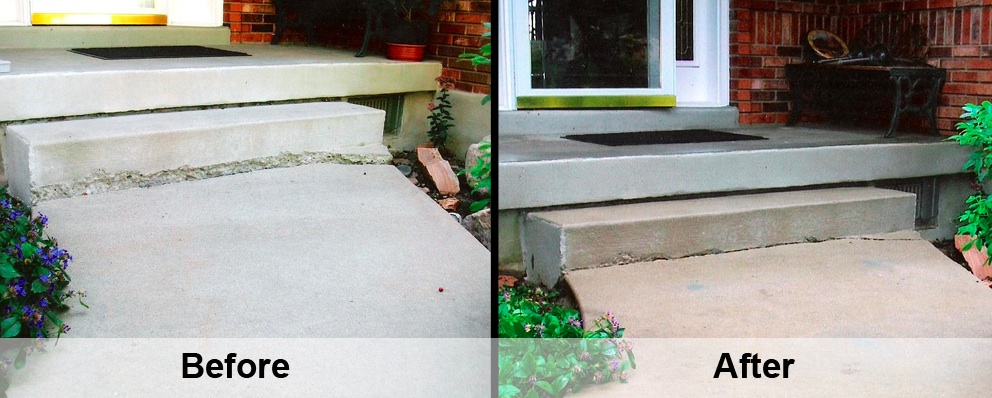
Category Archives: Blog

concrete water prevention drains

Concrete and Water Prevention: Drains and Mistakes to Avoid

In part one of this two-part blog series, we went over some basics on how to prevent water from creating concrete damage and other foundation risks in your home or building. Moisture is one of the top culprits in concrete issues like cracks or gaps forming, and preventing it from seeping into concrete is a top method for avoiding these risks altogether.

At Lift-Up Concrete Lifting LLC, we’re happy to offer a wide range of both residential and commercial concrete lifting and leveling services, including assistance with many issues where water is the primary cause. From waterproofing basement walls to improving your drainage capabilities and several other areas, there are a few themes you can look at when it comes to keeping water out of your important concrete and foundation areas. Here are several others to keep in mind, including a few DIY mistakes to avoid if you go this route.

French Drains

For those who have had significant drainage problems in the past or want to ensure there are no such issues in the future, a more complex drainage system is known as the French drain setup. It involves diverting water underground through a pipe that’s set in a trench, which is filled with some kind of gravel or rock to keep it steady.

The pipe involved here will be perforated, allowing it to fill up with groundwater and then move that water away from the home. French drains involve zero moving parts, meaning they require basically no maintenance and tend to work perfectly for years without any issues.

Drainage Swales

Another option for homes or buildings that have significant groundwater or stormwater issues is known as a drainage swale, which directs water away from the home. This refers to an open channel that collects water from hard surfaces, then allows it to percolate into the ground to remove runoff above the surface. It filters out into grass covering side slopes and the bottom of the swale.

Mistakes to Avoid

If you’re taking on certain water prevention tasks yourself, whether it’s basement waterproofing or some other area, there are a few DIY mistakes to avoid:

  • Repairs with standing water: If areas of the home are already experiencing standing water, do not attempt any repairs. This is both dangerous and unlikely to produce high-quality repairs.
  • Forgetful areas: Be sure to consider important additional areas like window well leaks and interior drainage, which can both be areas that contribute to moisture seepage and concrete damage if you forget about them.

For more on how to prevent water from creating concrete issues in your home or building, or to learn about any of our concrete repair services, speak to the staff at Lift-Up Concrete Lifting LLC today.

concrete water prevention waterproofing

Concrete and Water Prevention: Waterproofing and Accessories

As anyone who has dealt with concrete damage issues like cracks or settlement in the past is likely well aware, one of the top culprits in these kinds of issues is moisture. When water seeps into various sub-surface areas of a concrete slab, particularly during the winter period we’re in right now (which comes with risks of expansion and contraction), it presents major risks in terms of cracks forming or worsening in the slab.

At Lift-Up Concrete Lifting LLC, we’re happy to provide a wide range of commercial, municipal and residential concrete lifting and leveling services for those dealing with concrete repair needs. We’ve helped numerous clients deal with moisture-related issues in concrete areas, including those that may impact your foundation or other structural areas. We often provide tips on stopping water from entering the home and these important foundation-related areas, and this two-part blog series will go over several areas of expertise we recommend.

Waterproofing Basement Walls

One of the first steps here involves waterproofing basement walls, which are important features because of the way they connect ground-level concrete slabs like the garage floor, driveway or patio with the basement and home foundation.

Keeping moisture from seeping into these walls in any format is very important, as it will protect the foundation in case your upper slabs have leaking or related issues. The easiest way to do this is through basement waterproofing, which can be done professionally or on a DIY basis if you have the right skills.

Add a Catch Basin

For homes or buildings that have dealt with standing water in the past, or if you feel there’s a risk of this in the future, one great addition is known as a catch basin. Catch basins may also be referred to as storm drain catch basins or similar terminology depending on where they sit in the building.

If you’ve noticed standing water in any major area, contact our pros about a catch basin. These include your yard, your landscaping, your driveway or main parking lot, or any other area that connects to concrete.

Downspout Extension

Another major cause of moisture issues in concrete areas is improper gutter downspouts that don’t properly direct water away from the home or building. Particularly during the Utah winter that features significant snowfall and then melting, you need gutters and downspouts that work properly and send water away from your building, rather than allowing it to drip or even pool up around important concrete surfaces like your patio or driveway.

For more on how to ensure water doesn’t make its way inside your home and into important concrete surfaces, or to learn about any of our concrete repair services, speak to the staff at Lift-Up Concrete Lifting LLC today.

foundation repair exposed elements

Foundation Repair: Exposed Elements and Cleanup

In part one of this two-part blog series, we went over some of the basics on the foundation repair process. This is an extensive and laborious process, one that’s also costly – and it can be avoided through proper care for several areas of your property, including concrete repair in certain instances of damage.

At Lift-Up Concrete Lifting LLC, we’re happy to offer commercial and residential concrete lifting for any concrete areas on the property, including those that connect to the foundation: Garage floors, driveways, patios and more. Our services, along with related areas like basement waterproofing, have helped numerous clients avoid expensive, invasive foundation repair needs that will cost them exponentially more than our solutions. Here are some of the other steps of this process that you can steer completely clear of if you utilize our pros to keep your concrete areas and foundation in good shape.

Utilities Exposed

Most foundation repairs require a significant lift of the foundation, and in these cases the repair professionals will also have to expose various utilities to prevent damage. Plumbing, for instance, will be uncovered so access to pipes can be gained, allowing for repairs in case a leak occurs during the foundation repair. Other utilities like electrical and gas may also be exposed so there’s room for them to move along with the lift – if not, the ground will damage them as the foundation is lifted. As you may have guessed, this part of the process can be both messy and time-consuming.

Jacks and Support

Once the pilings have been placed underneath your foundation beams, as we went over in part one, it’s time for hydraulic jacks to be moved inside access tunnels and placed underneath the pilings. These jacks are in place to lift the foundation beams to the proper level.

Once this is done, support cylinders are placed underneath the foundation beams. These hold the foundation at the height that’s been achieved by the jacks, even once the jacks themselves are removed from the equation.

Cleanup Process

Finally, it’s time to clean up several areas that may have been impacted by the foundation lifting and repair. Plants, gate posts and other objects near the house will commonly be lifted along with the foundation – dirt will often go everywhere during this process, and it will need to be cleaned up plus returned to its normal elevation. Tunnel entrances that were created to allow repair pros to access the underside of the foundation will be sealed up, and breakouts used will be filled with new concrete. In some cases, cleanup will take a full day or more for a significant concrete repair.

For more on why you want to avoid foundation repair at all costs, or to learn about any of our concrete lifting and leveling solutions that will help here, speak to the staff at Lift-Up Concrete Lifting LLC today.

foundation repair early steps

Foundation Repair: Rigorous Early Steps

As we’ve gone over several times previously in this space, there’s a direct connection between your home’s foundation and several nearby concrete surfaces. From garage floors to driveways, patios and several other areas that are commonly made from concrete, there’s a specific connection between the care for these areas and the long-term quality of your home’s foundation.

At Lift-Up Concrete Lifting LLC, we’re happy to offer numerous commercial, municipal and residential concrete lifting and leveling services that have an impact on not only your concrete areas, but also the care of your foundation in many cases. Concrete repair is one of several themes that at least touches on the foundation, themes that also include areas like basement waterproofing and various forms of sealing against moisture. They help avoid foundation repair needs – and this is important because foundation repair is not only costly, but also a major hassle for home and property owners that’s very time-consuming. This two-part blog series will go over all the laborious steps of a foundation repair that we’ll help you avoid through quality concrete repair services.

Pilings Placed

When foundation is damaged to the point where repair is required, the first step will involve placing pilings around the entire perimeter of the foundation. Pilings refer to columns that can be pushed into the ground around the foundation, serving as an additional support section so no additional damage is done while the repair is taking place. Without pilings, there would be no way to safely raise your foundation and work on it.

Access Tunnels

Next up, foundation repair professionals will dig underneath the home in intervals, moving from one end to the other. The goal here is to obtain access to interior foundation beams, or the thicker walls that support most of your home’s weight. Tunnels are dug that allow foundation repair professionals to access these beams.

HVAC Pad Lifting

Now it’s time for the foundation itself to be lifted, and this also includes anything next to the house – including HVAC items like the AC pad. This ensures that no connections are broken during the foundation repair process. However, certain landscaping elements near the house may be significantly affected by this process, or even might have to be removed in some cases.

Breakout Process

This step won’t be necessary in all situations, but is common for many homes. If concrete areas like the garage, driveway or patio is set up so that foundation beams under this area cannot be accessed, the surface will need to go through a “breakout,” or a process where the concrete surface is broken to allow access to foundation beams. Later on, these areas will be patched back up.

For more on the rigorous process of foundation repair, or to learn how our concrete lifting and leveling services help avoid the need for this service, speak to the staff at Lift-Up Concrete Lifting LLC today.

responding foundation issues home

Responding to Foundation Issues in a Prospective Home

In part one of this two-part blog series, we went over some of the top exterior and interior signs that may signal foundation damage or problems in a new home you’re touring. Such signs may indicate issues that are relatively minor, but in other cases they could signal major concerns that will impact not only the foundation but also connected concrete and other areas.

At Lift-Up Concrete Lifting LLC, we’re happy to offer a range of residential concrete lifting and leveling services to all our clients. These include assistance for those considering a home, both with numerous concrete surfaces on the property and how these impact the foundation. While part one of our series taught you how to recognize red flags of foundation issues, today’s part two will go over how to react if you do see these signs.

Not Necessarily a Major Issue

First and foremost, this isn’t all a doom-and-gloom scenario. While many of the signs we went over in part one are certainly not positive indicators, they also aren’t necessarily a major problem. Some may not even indicate foundation issues when you get to the bottom of them, for one, while others may indicate these issues – but only on a minor scale, and one where simple, affordable repairs will remedy the situation.

Call Our Team

So how do you find out for sure what the issues you’ve seen actually mean? By calling our concrete repair professionals, that’s how.

As we noted in part one, concrete repair and foundations are linked together. Our concrete lifting and leveling pros have completed many jobs that impact the foundation significantly, including the ability to diagnose foundation cracks, gaps or other issues you’ve noticed to get a true read on how significant the problem is. Using the information we give you, you’ll be able to proceed accordingly with any home you’re considering buying.

Covering Your Bases

Once you’ve spoken with our team and gotten a clear understanding of the extent of any foundation issues, you can take the following steps:

  • Inquire with the home seller about whether any past foundation repair or related concrete repair work that was done. This should be documented in detail, especially if parts of the job appear to have not been done correctly.
  • Speak to your loan officer, real estate agent or other professionals to understand how foundation issues might impact your mortgage. There are certain programs you might be ineligible for if the home has foundation problems, but also others meant to include additional funds for foundation repairs.
  • Speak to our team about the costs of repair, then factor this cost in when you discuss final sale price with the seller. Generally, the seller should be covering the cost of these repairs – or the sale price should be reduced by enough to cover the buyer making this payment.

For more on how to spot and respond to potential foundation issues in a new home, or to learn about any of our concrete lifting and leveling services, speak to the staff at Lift-Up Concrete Lifting LLC today.

identifying foundation issues new home

Identifying Foundation Issues in a New Home

As we’ve noted in this space multiple times in the past, there’s often a direct connection between concrete repair and your home’s foundation. Many areas of concrete damage, from cracks to sinking and other risks, threaten to impact the home’s foundation if they are not properly remedied, and concrete repair professionals are often called upon to help with foundation-related issues.

At Lift-Up Concrete Lifting LLC, we’re proud to provide a wide range of residential concrete lifting and leveling services, including many that relate to your foundation in minor or even major ways. Our solutions are for a variety of situations, including those who are considering the purchase of a new home – but worried about certain foundation damage signs they’ve seen and whether these signal a home that should be avoided.  This two-part blog series will help guide you in the right direction here, going over some potential foundation issue red flags and what they might mean plus how you should react if you notice these in a home you’re considering.

Outdoor Signs

Most of the prominent signs of foundation damage will be seen from outside the home. They include:

  • Visible cracks or fractures: Often the earliest form of foundation damage is the formation of cracks, gaps or other fractures in the actual foundation or the connected home exterior. These cracks can be due to a number of conditions, including concrete settlement and sinking that causes movement. However, not all cracks necessarily signal major foundation damage.
  • Upheaval: While the more common result of concrete settlement is sinking, some foundation slabs may actually move upward, a process called upheaval. Most frequently seen on the outside sections of a foundation, this may happen due to soil expansion and contraction or other moisture concerns.
  • Sticking doors: This is technically both an indoor and outdoor sign. Exterior doors may drag from their thresholds or appear uneven from the top if foundation issues are taking place; interior doors will stick or drag at the top.

Indoor Signs

There are also some indoor red flags:

  • Uneven floors: Your floors may be non-level, may sag or could even bow and tip. This may be due to foundation issues affecting your pier and beam foundations, and this can be a hazard.
  • Door, window or counter gaps: If you see gaps around your window frames or doors, this is often due to alignment issues caused by foundation problems. The same effect is sometimes seen with counters or cabinets separating from their walls.
  • Dampness: If your home has a crawl space, noticing significant moisture or dampness inside it often means there are foundation or related issues taking place.

For more on how to identify signs of foundation damage in a home you’re considering, or to learn about any of our concrete repair services, speak to the staff at Lift-Up Concrete Lifting LLC today.

soil conditions concrete settlement

Soil and Other Conditions Leading to Concrete Settlement, Part 2

In part one of this two-part blog series, we went over some of the basic root causes of concrete settling on your property. Often due to issues with soil below the concrete, but also possible based on certain other concerns, concrete settling is the primary source of damage that often requires concrete lifting and leveling for repairs.

At Lift-Up Concrete Lifting LLC, we’re happy to offer a wide range of concrete repair services, from residential lifting and leveling to commercial and even municipal services. What are some of the other concrete settlement causes you should be aware of to help you steer clear of them? Today’s part two of our series will dig in.

Moisture Problems

Moisture is another key area when it comes to concrete quality, including the ways it interacts with the soil beneath your slab. We went over soil compaction in part one – a related concern takes place when soils are not compacted in the right ways, leading to the potential for water oversaturation during storms or other events.

With optimal moisture, the soil below your concrete will become cohesive within itself and resist movement or cracks. With too much moisture, however, the soil will turn to mud and become too soft, unable to resist sinking risks. On the flip side, if the material is too dry, it won’t bind together and will also risk sinking.

For these reasons, it’s important to work with concrete professionals who understand how to moderate moisture content in and below slabs.

Erosion Issues

Another soil-related concern here is erosion, which often takes place in areas like Utah due to varying weather patterns. We’ll go through long periods of drought here, but then will also deal with significant winter snows and other moisture – this makes soils more prone to expanding and shrinking, but also to eroding entirely. This often takes place over time as soil is weakened and then eventually washed away, leaving concrete surfaces with no support and at risk of sinking or settling.

Weight and Stress

Finally, often exacerbating existing soil or related concrete issues is the presence of heavy loads or weight on the surface. While healthy concrete slabs are meant to stand up to significant vehicle or other pressure, those that are at risk of cracks or other damage due to soil conditions will only be at greater risk when major weight is on top of them. This weight will often exacerbate existing concerns, allowing surface damage to get even worse while water makes its way down to your concrete soil.

For more on the common causes of concrete settling on your property, or to learn about any of our concrete lifting and leveling services, speak to the staff at Lift-Up Concrete Lifting LLC today.

soil conditions concrete settlement

Soil and Other Conditions Leading to Concrete Settlement, Part 1

When concrete surfaces develop cracks, gaps or other forms of damage that worsen over time, by far the most common cause of these issues is concrete settlement. Concrete that settles will often create significant issues like these and more, and will get worse and worse with each passing day they are not attended to.

At Lift-Up Concrete Lifting LLC, we’re proud to offer residential, commercial and even municipal concrete lifting and leveling services for any concrete settling or related concerns on your property. We also provide our clients with expertise on how to avoid future concrete settlement issues, which mostly involves understanding what causes concrete settlement in the first place so you can work to prevent it. This two-part blog will go over several conditions that may lead to concrete settlement, plus how they can be avoided.

Soil Conditioning or Makeup Issues

In many situations, the issues with concrete settlement will trace back to the soil that’s used in the area. Soil will often be treated before concrete slabs are installed, with either native soils (those already present in the area) or imported soils (those brought in by a concrete installer from elsewhere) potentially playing a role. If soil is not conditioned properly, including allowing for optimal moisture content, settlement issues often result.

Down related lines, the use of improper soils is a common cause of settlement. The use of “muck,” or “trash soil” in some concrete circles, will lead to less water resistance and support, making it far easier for concrete to sink and settle. The use of compacted clay and related soils, on the other hand, will provide excellent support and moisture prevention.

Compaction Concerns

One soil-related area that deserves its own section here is improper compaction. The soil underneath your concrete must be compacted to the proper level, usually to at least 95% of the maximum density allowed by the material – if not, it will not properly resist water, degradation and other risks.

Expansion Risks

On the flip side of compaction is the risk of expansion, which can also lead to cracks and gaps in concrete. Many clays that are used for concrete soil surfaces must be conditioned properly before being used – if not, they are prone to expanding and shrinking in massive ways, with swell potential up to 20% in many cases. This expansion heaves and cracks concrete – and when the moisture that caused it eventually leaves the material, it will shrink and sink back into the surface while retaining these harmful cracks.

For more on avoiding the risks of concrete settlement through proper soil attention and other areas, speak to the staff at Lift-Up Concrete Lifting LLC today.

home foundation types concrete

Home Foundation Types and Concrete Impact, Part 2

In part one of this two-part blog series, we went over some of the common foundation types found on homes. There are a few different primary foundation types for modern homes today, each of which will have its own impact on several property factors – including nearby and connected concrete areas in many cases.

At Lift-Up Concrete Lifting LLC, we’re happy to provide a wide range of residential concrete lifting and leveling services to all our clients. We’ve dealt with every foundation type out there, and we’ll be happy to answer any questions you have about your foundation and how our concrete repair services will help keep it protected and intact. In today’s part two of our series, we’ll go over a couple other foundation types and what you should know about their connection with nearby concrete surfaces and related care.

Crawlspace Foundation

For those looking for a similar format to the basement foundation we went over in part one, but a more affordable alternative, the crawlspace foundation is often utilized. This refers to a foundation that involves several different small foundation walls on their own footings, each of which serves as its own  miniature basement of sorts.

The crawlspace foundation uses much less concrete than the basement foundation, part of what makes it more affordable. Pillars will be formed from concrete, then placed in high-load areas. This style offers fantastic ventilation due to the space between pillars, which helps avoid moisture buildup, water damage and related mold concerns. There are fewer moisture-related concrete damage risks to these foundations as a result, though these still may exist in certain circumstances – including if the foundation is not properly ventilated, which can sometimes be the case if the foundation was constructed poorly.

Pier Foundation

Finally, newer and more modern foundation type that’s been growing in popularity for new homes in recent years is known as the pier foundation. This foundation type is made using several small square or circular concrete pads, placed on various points around the perimeter of the planned home. The pads are secured into the ground and connected to the home, supporting it in strategic locations that have high weight loads.

Pier foundations offer a few major benefits, including great support and long-term durability. As such, however, they tend to be the most expensive of the types we’ve gone over here. In addition, some homeowners with pier foundations notice creaking or sagging floors, plus may deal with ventilation issues. Speak to one of our concrete professionals about the potential benefits and drawbacks of a pier foundation for your space if you’re considering one.

For more on the different types of home foundation out there, or to learn about any of our concrete repair services, speak to the staff at Lift-Up Concrete Lifting LLC today.

home foundation types concrete

Home Foundation Types and Concrete Impact, Part 1

When it comes to residential properties, home foundations and concrete repair services tend to be linked. While the foundation isn’t the only area of a given residential property that involves concrete and may require concrete lifting or leveling if issues are present, it’s a key such area in terms of how it impacts overall home value and comfort areas.

At Lift-Up Concrete Lifting LLC, our residential concrete lifting and leveling services cover a wide variety of areas, from walkways and driveways to patios and garage floors. Several of these areas may relate to your foundation in some cases, and a major factor in this determination is what type of foundation your home utilizes. In this two-part blog series, we’ll go over the four primary home foundation types out there in modern homes, their benefits and drawbacks, and how they relate to various concrete surfaces or areas on the property.

Basement Foundation

Common around the country, basement foundations involve a perimeter made up of concrete pillars meant to support the rest of the building. These pillars will generally be quite deep, and their strength is paramount – they will be supporting either cinder blocks or full concrete walls. These foundations come in full (entirely underground) and daylight (built on a slope, with some walls above-ground and others below) formats.

Basement foundations add space and square footage, but can be more expensive than other foundation types. Maintenance of the foundation and surrounding concrete areas is also vital: Keeping such areas sealed and properly contained will prevent water seeping through and leaking down onto concrete walls. If you do notice any moisture issues in the basement, these could be due to improper concrete sealing or other damage on the surface of the home – and you should call our pros for concrete repair right away if this is the case.

Concrete Slab Foundation

Also known in some circles as a slab-on-grade foundation, the concrete slab foundation involves a full solid slab of concrete that’s placed directly onto the ground, with the structure resting on top of it. These types are not as common in Utah – they are more frequently found in places without winters where the ground freezes, which can create shifting and cracking issues for the foundation.

Now, concrete slab foundations tend to be relatively affordable, while also providing great pest and mold protection. However, they are not great against flood or moisture risks, plus require cutting into the slab to fix plumbing problems – this is because water and drainage pipes are actually encased in the concrete itself. If you have such a foundation, it’s vital to ensure you have concrete repair experts like ours saved in your contacts in case an issue arises.

For more on the different types of home foundations out there and how each impacts concrete surfaces around the property, or to learn about our residential, commercial or municipal concrete lifting and leveling services, speak to the staff at Lift-Up Concrete Lifting LLC today.