Category Archives: Blog

Sunken Steps Become a Problem in the Winter 

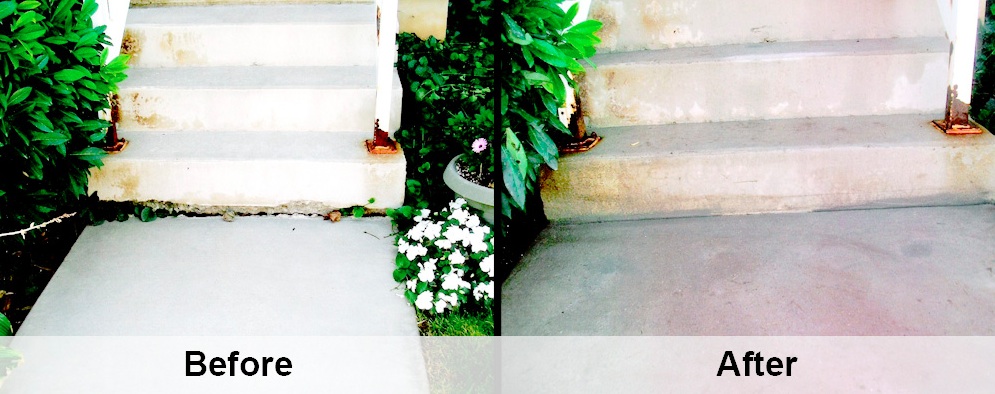
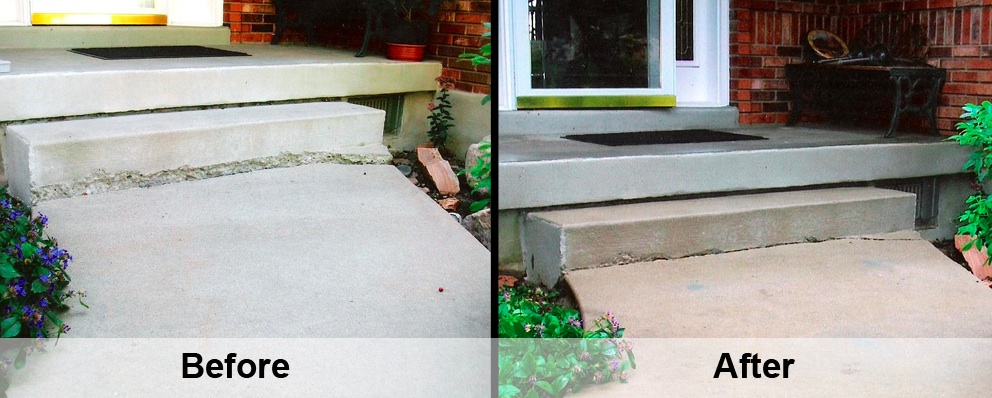
Sunken steps don’t make the best impression on guests visiting your home for the first time. It also isn’t convenient for you or your family members.

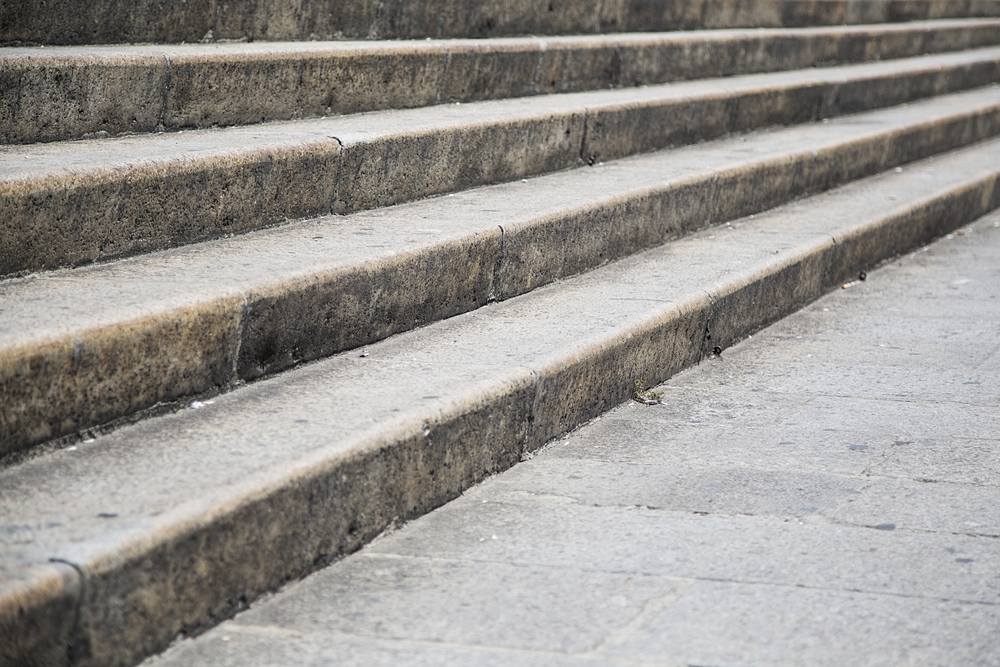
Sunken Steps

Making your way up slanted steps only gets more dangerous in the winter. How should you go about solving this problem?

Why Did They Sink in the First Place?

Concrete steps seem like they should be durable enough to last forever. For the most part, they are, but the foundation beneath them might not be.

One of the main reasons you may have sunken steps is because of soil erosion beneath them. Many times, improper drainage can wash away supportive soil and leave your concrete steps without the support they need to stay level.

If the ground wasn’t compacted correctly before the concrete was poured, the soil could have settled as well. Even when soil is thoroughly compacted, it can contain air pockets that can later cave in and cause your concrete to shift.

Winter Makes it Worse

Winter is one of the harshest times of year, and it takes a toll on your concrete as well. You may try to keep your stairs and walkway de-iced using buckets of rock salt.

While this is a great way to protect against slip-and-fall accidents, it’s not the best solution for your concrete. De-icing salt speeds up the freeze/thaw cycle, which causes wear and tear on your concrete. Your steps absorb the melting snow and ice, but as it re-freezes, it puts pressure on the internal concrete. This can lead to spalling and degradation.

By the time winter is over, not only are your steps uneven and sinking, but the surface is also degrading as well. This can lead to cracks (another trip hazard) plus it makes them look even worse.

What Are Your Options?

Your best bet is to repair your sunken steps before they get any worse. One of the best ways to do that is restore them to their previous level position, and regardless of what you may believe, that doesn’t mean you have to rip out your staircase and start over. Not only is that expensive, it’s unnecessary!

There is a better way to go about eliminating the problem of sunken steps: concrete lifting. This involves injecting stabilizing grout beneath the surface of your steps to raise them until they’re even again.

Relieve Your Worries Now

It’s much easier than you might realize to repair sunken concrete steps, especially when you depend on Lift-Up Concrete. Call us today to get a free quote on how we can help make your steps safer this winter.

Can You Winterize Your Concrete?

If you want to winterize your concrete, then you should prepare it to withstand the harsh temperatures and hefty snowfall that’s bound to come with this Utah winter.

Winterize Your Concrete

Concrete is extremely durable, which is why it’s the most commonly used building material in the world. Still, it’s not indestructible. But with preparation and care, you can limit winter’s negative effect on your driveway, walkway, patio or any other concrete surface exposed to the elements.

Why Is Winter So Destructive?

The main factor that contributes to concrete’s wintertime vulnerability is the fact that it’s a porous material. It absorbs water!

This means that when ice and snow build up on the surface then melt due to rising temperatures or sunlight, the surface absorbs the runoff. The problem arises when temperatures drop again, usually later in the day or at night. This causes the water that was absorbed to freeze, putting internal pressure on the structure.

The next day when the sun comes out or the temperature rises again, the ice melts. This freeze/thaw cycle continues throughout the winter. Repeated cycles wear down the structure, threatening its stability and sometimes causing it to crack.

Deal with Damage Before Winter Begins

While there’s nothing you can do about the physical makeup of this building material and how it responds to winter and absorbs water, you can help mitigate the damage by dealing with problems before winter begins. To winterize your concrete, you need to assess its condition and make a list of what you need to repair before the first big snowfall.

For example, does your concrete have any noticeable cracks, either in the surface or any of the control joints? Is your concrete slab sinking or uneven?

Any cracks or sinking slabs present more of an opportunity for precipitation to reach the inner depths of the structure, allowing winter to take more of a toll than you’d like.

By scheduling concrete lifting and crack repair before winter, then covering the surface with a durable sealant, you can slow the effects of the freeze/thaw cycle.

Don’t Treat Concrete Like Asphalt

Another way to winterize your concrete is to find a de-icing product that doesn’t make the freeze/thaw cycle worse. Rock salt is one of the main culprits. It works quickly to de-ice your concrete driveway or walkway, but as a result, it puts your concrete through many more freeze/thaw cycles than is good for it.

Instead of rock salt, try using gravel or sand to make your surface easier to walk on. Concrete shouldn’t be treated like asphalt, because the chemical makeup is extremely different!

Call Today for Concrete Repair

Need concrete repair help? We’re here for you. In your efforts to winterize your concrete, contact the Lift-Up team. We are only a call away!

Need Concrete Lifting? Shoveling Cracked Sidewalks Is Challenging.

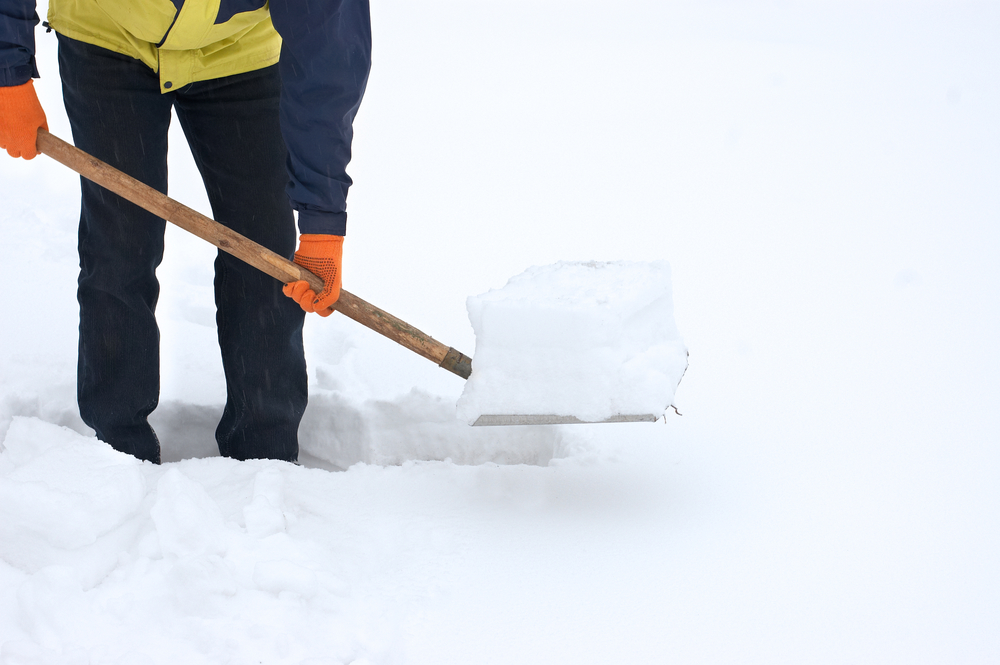
You might not realize you need concrete lifting until it’s time to clear away the first big snowfall of the season. Once you’re outside trying to scoop up drifts or directing your snowblower across the uneven surface, you may begin to realize your driveway, sidewalk or walkway isn’t as level as it used to be.

Need Concrete Lifting? Shoveling Cracked Sidewalks Is Challenging. 

Why Uneven Concrete Is Risky

It’s harder to clear snow from an uneven driveway. Your shovel gets caught on the cracks. You can’t get the snow and ice out of the sunken areas. What’s worse, when the snow melts and drains beneath the concrete, it causes soil erosion and makes the concrete more uneven. Winter takes a toll on concrete.

Tips to Prevent Damage

Even concrete, one of the most durable building materials in the world, isn’t immune to the harmful, negative effects of winter. Keep in mind that the longer snow and ice sit on your concrete, the more the concrete absorbs it, because it is a porous material. When the temperature drops, the moisture within the slab will freeze and put pressure on its structure, which could result in cracks, sinking and damage.

To keep your concrete in the best shape possible, make sure you remove snow as soon as possible, but don’t use metal shovels and pounds of rock salt.

Use plastic shovels to avoid chipping the concrete. Keep deicing chemicals off the driveway. Gravel and sand are good alternatives if you’re looking to gain traction safely.

When it Melts, Your Driveway Doesn’t Look the Same

While you may be doing all you can to reduce the effects of winter on your concrete, there is only so much you can do if your driveway was already in need of concrete lifting. If your curb appeal is lacking, you can correct it before winter is over — you don’t have to wait for it to get worse before we can make it better.

Restore Your Surfaces Now

If it’s become ultra-clear that you need concrete lifting to get your driveway or walkway back to normal, Lift-Up Concrete is the team to call. You can rest assured that we will treat your property like we’d treat our own, with comprehensive, efficient services and most importantly, long-lasting results. Call us today to get a free quote for your project.

Concrete Raising: Is it Unsightly?

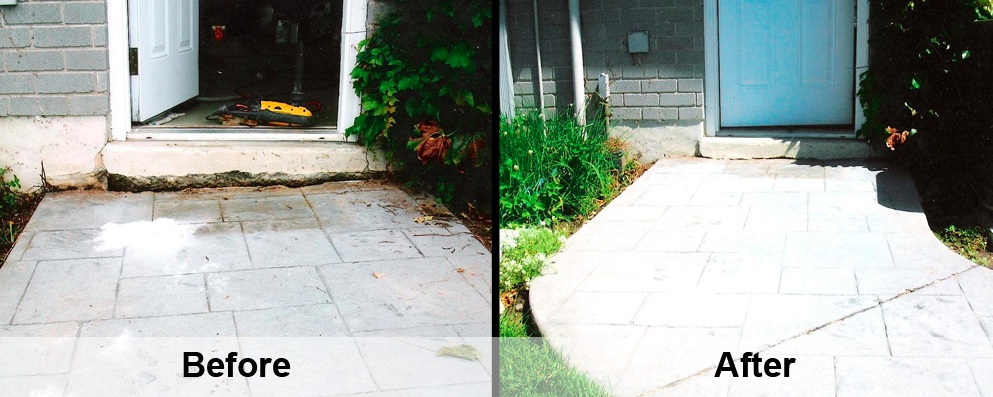
Concrete raising is one of the most efficient, cost-effective ways to repair broken, sinking concrete surfaces. If you have an issue with your driveway, sidewalk, patio or walkway being uneven, take note: You don’t have to rip out your concrete and start over. We can make your slab look as good as new.

If the concept of concrete raising isn’t foreign to you, maybe you have more questions you want answered before you commit to the project. That’s fine — that’s what we are here for. You can trust Lift-Up Concrete to provide answers to all your questions.

Concrete Raising

One of the moat common questions many clients ask is, “Will there be lots of holes left after concrete lifting? Will they make my driveway (or patio, or walkway) look horrendous?”

The End Goal of the Project

Ultimately, our end goal as concrete lifting experts is to make your concrete surface look beautiful again. A tipped, sinking surface is not beautiful, nor is a cracked or crumbling one. And they don’t serve their purposes well either.

What concrete lifting does is restore functionality and an attractive appearance.

How Many Holes Are Necessary?

It’s not possible to say exactly how many holes your project will require — that depends on the condition of the slab. A slab that needs extreme intervention will need more holes than one that only needs a slight adjustment.

But the holes we drill are extremely small — no larger than 2 inches in diameter. From a distance, you don’t even see them. Up close, the filler product may be a different color than the original concrete simply because it’s newer, but it fades over time and easily blends with the rest of the surface.

To get an accurate idea of how many holes your slab will need, call our team. We will review the damage and offer a free, no-obligation quote so you know what to expect beforehand.

Does the Material Need to Cure?

After we pump the grout beneath your slab and it returns to its original location, we use this same material to caulk and fill the drilled holes. While the entire surface can be used almost immediately, the filled holes need to dry and cure fully. We offer specific instructions depending on the location of the holes and the extent of the project.

We Get Your Concrete Back in Top Shape

At Lift-Up Concrete, we’re in the business of restoring old concrete and making it new again. You can trust us with raising concrete wherever it may be sinking at your home or business — it’s what we do best. Call us today to learn more about how we can help you!

Concrete Lifting: What Maintenance Is Required After?

After your concrete lifting company has done its job, are there any tasks you must do to keep your concrete in the best shape possible?

This is a question we’re asked frequently by many home and business owners during the concrete lifting process. While our team takes care of most of the job, there are a couple preventive maintenance tips that can help your concrete look and perform its best.

Concrete Lifting

Caulk the Cracks to Enhance Aesthetics

When concrete shifts downward, the surface of the slab cracks, leaving a jagged opening. When the sunken slab is lifted, the chasm is mended, since the concrete is now all on level footing. But that pesky crack is still there. What can you do?

Use caulk to seal the crack. It will look better, and all you need is a caulking gun and some heavy-duty, waterproof caulk, a scraper, some rubber gloves and sand. While there are plenty of online directions on how to seal concrete cracks, you don’t have to do it yourself if you’re not confident in your abilities — just ask us to take care of this for you as well.

Reseal the Surface

For concrete to look beautiful, it’s important to seal it regularly. Sealing the concrete will help decrease its permeability and improve its waterproof properties. Keep out moisture and help protect against cracks and chips with periodic sealing.

Get Rid of Pests

Are groundhogs burrowing underneath your driveway? Are critters making their homes underneath the slab? This isn’t ideal, as the less stable the surface becomes, the more prone it is to cracking and sinking. Call an exterminator and have these animals relocated to a new home.

Assess Your Landscaping Drainage

Another common reason concrete lifting is needed is because of poor landscaping drainage. When your gutters and downspouts are pointed at the corners of your driveway or patio, the stabilizing soil beneath the slab is washed away a little more with every rainstorm.

Assess your home’s water drainage system. Is it causing problems for your concrete? To avoid the need for additional concrete lifting, redirect and redesign your water drainage system as needed.

Is it a Long-Term Fix?

Concrete lifting can be a permanent solution if you take the time to correct the reasons it occurred in the first place. A little bit of settlement is normal over time, but it’s nothing concrete lifting can’t repair. Talk to our team today about your specific concrete issue and we will see what we can do to restore your surface to an even, level plane. That’s what we’re good at!

Signs Your Garage Floor Needs Concrete Lifting

Signs Your Garage Floor Needs Concrete Lifting

When your garage floor looks nothing like it used to, you know it’s time to make a change. You can’t keep driving and walking on a sinking concrete slab, and you definitely can’t sell your home this way. Any interested buyer would have questions about the condition of your garage floor.

While no garage floor is perfect, you can use concrete lifting to restore yours so it looks and functions like it should.

Signs Your Garage Floor Needs Concrete Lifting

Here are three signs you need concrete lifting for your garage:

1. The Floor Has Settled Lower Than the Driveway

Is the garage floor gradually settling? This isn’t surprising. Whether due to inadequate soil compaction or erosion, the ground that supports your garage beneath the slab is prone to settling after construction.

While minor settling isn’t an issue, once the floor drops beneath the level of the driveway, this can create problems. Water may drain back into the garage. This can ruin tools and create puddles.

2. One Corner Is Beginning to Sink

Your garage concrete was probably built with control joints. These seams keep cracks from spreading every which way across a slab.

However, if a slab doesn’t have these joints, or one corner or section cracks anyway, you might start to see this portion of the slab begin to shift.

This is cause for concern because it could threaten the integrity of the structure. Address this issue fast!

3. You’ve Noticed it’s Getting Worse

The speed at which concrete sinking worsens may vary depending on the extent of the problem, but no matter what, you have repair options. You don’t have to tear out the entire slab!

Talk to our team about how concrete lifting can help with your unique situation. When our crew assesses the problem, we’ll deliver a free, detailed quote that outlines exactly what we will do to resolve the issue. Using our high-powered equipment, we pump just the right amount of stabilizing grout beneath the slab’s surface to get it back on even ground. It’s a permanent fix that will make your garage floor look as good as new.

Our Commitment

By only using the highest-quality tools and materials, we set ourselves apart in our industry. We are the crew — the only crew — you want working on your concrete slab. With years of experience and hundreds of satisfied customers, we’re ready to address the problems with your garage floor today. Call now!

De-Icing Concrete: Options for a Slip-Free Driveway This Winter

De-icing concrete isn’t as straightforward as treating asphalt. While concrete is one of the most durable building materials in the world, it’s susceptible to cracking, spalling and general weakening from the freeze/thaw cycle. That’s because concrete is porous: It absorbs water, and when the water freezes, it puts internal pressure on the structure.

De-Icing Concrete

Frequent exposure to freeze/thaw cycles will wreak havoc on your concrete driveway. At the same time, you can’t just leave it icy — that’s a major slip risk. What are your options?

Short Answer: No Salt Is Good Salt

Don’t be fooled by any marketing messages: There are no good types of de-icing salt for concrete. Sodium chloride, calcium chloride, magnesium chloride and potassium chloride — they’re all bad for concrete. Stay away from salt, and you won’t have to worry.

Try Heat Mats on Your Stairs

For concrete stairs, try laying heat mats on them. Besides the negative effects salt has on concrete, it can also cause your iron railings to rust, so keeping salt away from your front steps can have more than one benefit.

Ask Your Cat for Supplies

If you don’t want to lay heat mats over your entire driveway, you can use kitty litter for traction instead. Cat litter is biodegradable, so it won’t harm your landscaping or affect water runoff.

Use Natural Aggregates for Better Grip

You can also try using sand, gravel, wood chips or straw, laying it on your driveway for the winter months to gain a better grip, both with your shoes and your car’s tires.

When it’s Unavoidable

When there is no other option except to use de-icing salts on your concrete, try to minimize the damage.

Spread the salt, wait for the ice to melt, then quickly scrape and shovel the precipitation away.
Apply a salt-resistant concrete sealer before the next big winter storm for maximum surface protection, and re-apply the seal each winter. Some sealants offer an increase in grip strength, which can reduce the amount of de-icing salt needed.

Fix Your Driveway Damage

It will be safer to walk on a concrete driveway that’s free of ice and snow, but also one that’s level. Do you see cracks and sinking areas in your driveway? Let’s get that repaired before winter makes traversing the surface even more hazardous. Call Lift-Up Concrete today for a free quote on repairing your driveway damage. We’ll also give you more tips on the right way to safely de-icing concrete.

Should You Fix Your Concrete Driveway or Pour Asphalt?

Is a concrete driveway better than asphalt?

It’s a question contractors from all disciplines hear all the time. As concrete specialists, our team at Lift-Up Concrete will tell you all about the benefits of this building material. Specifically, you may want to know why you should opt to repair your concrete driveway instead of ripping it out to pour asphalt instead.

Should You Fix Your Concrete Driveway or Pour Asphalt?

It’s not a tough decision when you think only about your budget — a tear-out and re-pour project is more expensive than making repairs. But you’re thinking long-term.

Why stick with concrete? What makes it better?

A concrete driveway isn’t the best choice for everyone, but for others, it’s the only way to go! Concrete and asphalt have some major differences you should consider before deciding to go with repairs instead of transitioning to asphalt.

Why Repaired Concrete Lasts Longer Than Asphalt

At its best, an asphalt driveway will last about 30 years, but concrete driveways can last almost double that. So think about when your concrete was originally installed. If it was only 10 years ago, you could make a small repair now and continue to drive on the surface for the next 40 years!

But if you spend your savings ripping up your concrete and installing asphalt now, you’ll have to replace it 10 years sooner than you would a concrete driveway.

Which scenario gives you the best return on your investment and the least inconvenience?

No Time-Consuming Maintenance Needed

Here’s another great reason to keep your concrete — minor lifting repairs are all you’ll need to worry about. Unlike asphalt, which has to be re-sealed every three to five years, concrete can withstand plenty of wear and tear without needing a new coating. That cuts down on the money and time you spend on your driveway.

Think About Your Budget

Money is typically a deciding factor when you’re making necessary repairs to your home, and your driveway is no exception. Concrete lifting costs are dramatically less than excavating, preparing and pouring a new asphalt driveway. Plus, think of the cost to restore your landscape!

When Curb Appeal Is Key

Concrete gives you flexibility. You can stamp it or stain it. With asphalt, you have limited options. Curb appeal adds to the value of your home, and a well-designed concrete driveway can do just that.

We Handle Affordable Repairs

At Lift-Up Concrete, we’re in the business of restoring your concrete driveway to its original condition. We deliver solutions that keep your driveway beautiful and functional for years to come. Want a free quote? Just give us a call!

How to Prepare for Parking Lot Concrete Lifting

Parking lot concrete lifting is a better option than replacement. It’s much cheaper, and saving money is always a priority for businesses, especially local companies just starting out.

You likely bought your commercial property with a vision for the future, and that future doesn’t include cracked, chipped concrete that’s both an eyesore and a liability hazard. It’s time to correct the problem.

Finding out the price difference between replacing and repairing your concrete is often the nudge many businesses need to opt for the latter. Once you’ve scheduled the job, make a plan for reducing frustration and inconvenience on the part of employees and customers while the work is being done.

Parking lot concrete lifting

Notify Employees and Customers Ahead of Time

Your business may be part of someone’s regular routine, so it’s polite to keep them updated on any changes.

Send out an email to employees at least a few days in advance, informing them of your upcoming project. As long as you reserve temporary parking for them, you shouldn’t get many complaints. Improving your business and its aesthetics will only help your employees.

Do you have an e-mail list of all your customers? Notify them as well, and share details on where they can park on the day the job will be done.

Post Signs the Day of the Project

Put out plenty of signs, cones and caution tape blocking off the parking lot from regular use on the day of the project. If only one section is scheduled for concrete lifting, make sure vehicles park a good distance from the work area. Consult with your repair team to see where it’s safe to park.

If you plan on staying open during the project, be sure to note this fact on the sign in front of your blocked-off parking lot, otherwise paying customers may assume you’re closed.

Good News: It’s a Quick Curing Process

One of the main benefits of parking lot concrete lifting is that the job is done in one day. If you tore out your concrete slab and started over, you’d have weeks of excavation, surface preparation and curing to contend with. Concrete lifting makes it possible to drive on the surface the same day.

What We Do

At Lift-Up Concrete, we are in the business of restoring all forms of concrete. From parking lot concrete lifting to swimming pool deck repair, you can use our skills for your business and your home. Get to know us — give us a call today! We offer free quotes.

5 Reasons Not to Ignore Uneven Concrete

Uneven concrete is an eyesore and a trip hazard, but it doesn’t have to be permanent.

You might have been able to ignore your uneven concrete up until now by writing it off as regular wear and tear, an issue that’s bound to happen over time to any concrete slab. While sinking concrete is definitely an issue many homeowners deal with, it’s not something you have to accept as normal.

Uneven concrete

Why repair your uneven concrete?

1. It’s Causing Injuries

You have to warn everyone who comes up your walkway to be careful. More than a couple of your visitors have possibly tripped and fallen.

Not only is uneven concrete the source of injures, but it also puts you at risk. You’re liable for all injuries that happen on your property, and the cost of your liability may increase if it can be proven you could have taken action to prevent the injury from occurring.

It’s time to address that trip hazard before anyone else is affected.

2. It Looks Terrible

Evening out your concrete surfaces is one of the primary ways to boost your home’s curb appeal. Cracked and sinking slabs look horrible and bring your home’s value down. They also make space for weeds to sprout from the soil beneath. You can repair your concrete so it is no longer an eyesore!

3. It’s Getting Worse

Chances are, the cracks and sinking have only gotten worse since you first noticed the damage. Putting off repair for uneven concrete will only make the issue harder to correct.

4. It’s Causing Water Drainage Issues

Are you starting to notice water pooling on your uneven garage floor? Is your damaged concrete directing water toward your home’s foundation? Water drainage issues are real, and they’re commonly caused by settling or heaving concrete. It’s time to get a fix!

5. It Can Lead to Structural Issues

If your structures are dependent on solid concrete for stability, uneven slabs can cause more serious problems than you may imagine. Your porch’s structural integrity could be compromised or your home’s foundation could be affected. It’s one of those problems that must be repaired right away, because the consequences of ignoring the issues only multiply as time passes.

Can concrete lifting be the answer? Uneven concrete doesn’t stand a chance when Lift-Up Concrete is on the job. Call us today and we’ll determine the best repair method to make sure it doesn’t happen again.