Category Archives: Mud Jacking

concrete lifting Ogden, Utah

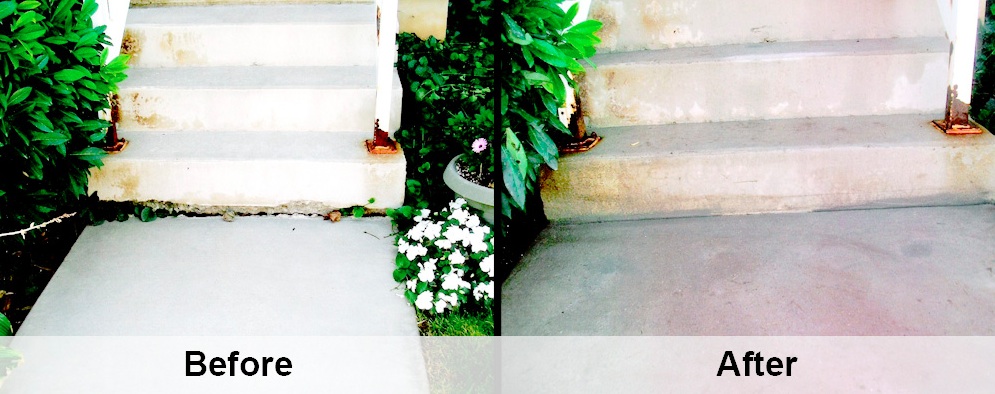
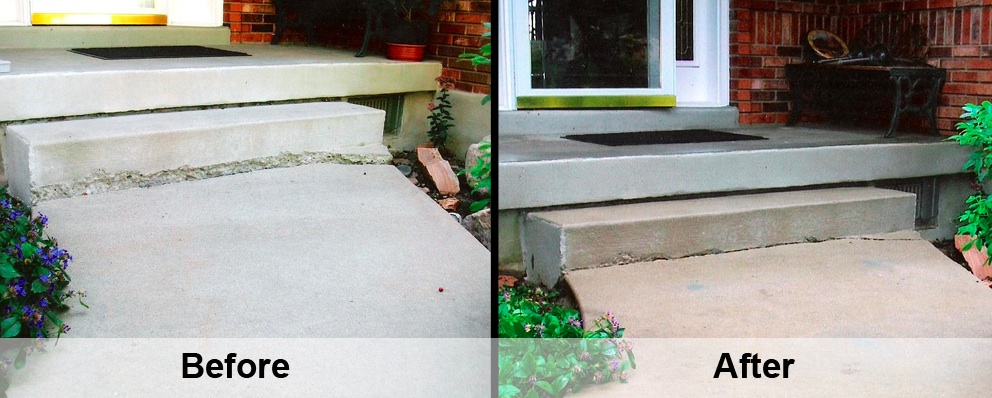
Concrete Lifting – An Affordable & Effective Fix for Settled Slabs

Concrete lifting, or mudjacking, is the least expensive fix for a settled slab at a residential property in Ogden, Utah. The price is far lower than other methods of concrete repair — but don’t you get what you pay for? If you go with mudjacking, will you come to regret that choice?

Not at all. While the cheapest way of solving a problem isn’t always the best route to take with most home improvement projects, that isn’t the case for concrete repair. As long as you have a reputable company like Lift-Up Concrete handle the work, concrete lifting can provide an affordable, high-quality fix for settled slabs. Here’s what homeowners in Ogden need to know.

Concrete Lifting is a Proven Repair Technique

In our experience, many people throughout northern Utah are unfamiliar with mudjacking – but the technique of concrete lifting isn’t new.

Developed back in the 1930’s, mudjacking was initially used to lift and stabilize concrete highways, airline runways, dams and roadways. Later on, contractors began to rely on mudjacking for small-scale commercial and residential projects. The repair method has a long history of success, and it’s been proven to work for just about any settled slab. For uneven sidewalks, slanted driveways, sunken porch steps, sagging patios, lopsided pool decks and tilted garage floors, mudjacking is a highly effective fix.

Concrete Lifting Offers Attractive Results

Settled slabs have a negative impact on curb appeal, but after mudjacking, damaged concrete no longer diminishes the charm of an Ogden residential property.

During the concrete lifting process, a few small holes are drilled in the affected slab. Once the concrete has been leveled and caulk has been applied, however, these holes are virtually invisible. The same is true of any cracks in the concrete, and with caulk that’s a close match in color to the original slab, the outcome is aesthetically pleasing. Many people find the results to be superior to what can be achieved with a tear-out and replacement project, as newly poured concrete is often rather conspicuous.

Concrete Lifting is the Greenest Repair Option

Mudjacking isn’t just an effective, low-cost repair technique that offers appealing results – it’s also the most eco-friendly solution for a settled slab.

The cement-based mixture used is comprised of completely natural ingredients like Portland cement and limestone aggregate. Not only does the slurry contain no synthetic fillers or chemicals, but professional contractors take care to ensure that none of the mudjacking material is wasted. Add in the fact that concrete lifting requires very little fossil fuel energy – just a single truck with a hydraulic pump and a powerful drill — and it’s easy to see why it’s the green approach.

The Many Benefits of Concrete Lifting

We’ve already mentioned that concrete lifting is the cheapest repair option, one that’s proven to work and provides aesthetically appealing results. We’ve also explained what makes mudjacking a sustainable repair solution. But, these aren’t the only reasons it’s often considered to be the best fix for a settled slab.

Why is concrete lifting the recommended approach? Ogden homeowners who go with mudjacking also enjoy the following advantages:

  • Value – Filling the air pockets in the soil under a slab with the cement-based mudjacking mixture addresses the cause of the problem and makes the concrete more stable and secure. The slab tear-out and replacement process doesn’t, and opting for that sort of fix means settlement is likely to reoccur.
  • Longevity – Since mudjacking works to fill the empty spaces in the underlying soil, the results are long-lasting. In Ogden, Utah, most settled slabs that are lifted and stabilized through concrete lifting remain anchored in position for at least 8 to 10 years. The same can’t be said of slab replacement.
  • Time – In most cases, mudjacking projects can be completed within just a couple of hours. Afterwards, the slab is ready for light use immediately, and heavy weight by the next morning. Slab replacement can take weeks to complete, and with curing needed, the surface may be unusable for a month or more.

What’s more, mudjacking isn’t a messy project. Once complete, the nearby landscaping looks the same – there’s no damage from the truck or the machinery. In contrast, the demolition work involved in a slab tear-out and replacement project can really wreak havoc on the landscape. We don’t think any Ogden homeowner wants that problem when the work crew leaves.

Schedule a Free Consultation with Lift-Up Concrete Today

Is concrete lifting the best solution for your settled slab? Probably – but to get an expert opinion at no cost, schedule a consultation with the Lift-Up Concrete team.

With our knowledge, skill and years of experience, we have what it takes to overcome concrete settlement and provide high-quality, long-lasting results. We’re known for our affordable pricing and exceptional customer service, and if we can’t save your slab through mudjacking, you can count on us to find an approach that appeals to your needs.

For more information on mudjacking and the other services we offer at Lift-Up Concrete, or to schedule a free, no-obligation consultation to discuss concrete lifting for a settled slab at your Ogden, Utah, home, contact our office today.

concrete lifting Salt Lake City

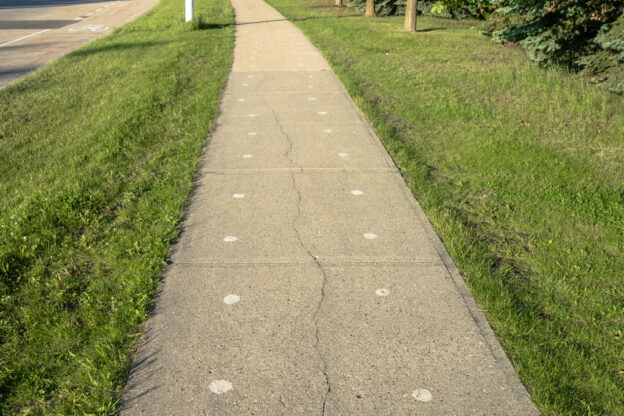
Concrete Lifting Can Abolish Trip Hazards at Salt Lake City Homes

While concrete-related trip hazards are often more of a concern with commercial properties in Salt Lake City, Utah, homeowners can benefit from concrete lifting, too – and getting the work done provides more than an aesthetic boost.

How so? Well, if you own a residential property and you know there’s an area in need concrete repair, you may be held financially liable if someone falls and injures themselves. The same might be true if a trip hazard exists that you, as the homeowner, should have discovered. Concrete lifting can help you avoid these potential liability concerns. Here are the most common concrete-related issues that you may need to address to protect your interests and keep your Salt Lake City property safe.

Cracked Driveways

Typically one of the largest slabs on a residential property, the driveway handles a great deal of weight and pressure on a regular basis. Over time, as the soil underneath expands, contracts and shifts in response to the moisture level, driveways can develop cracks. Depending on the exact location, these cracks can serve as trip hazards, but a professional concrete repair contractor can eliminate the problem.

Sinking Sidewalks

Damaged and deteriorated sidewalks are another liability concern. While the local public services department handles sidewalk repair in some parts of northern Utah, that isn’t the case here – in Salt Lake City, the adjacent property owner is responsible. When the sidewalks near a home sink and become trip hazards, concrete lifting is a solution – but for those who take advantage of the 50/50 concrete program, the City shares the cost.

Uneven Steps & Porches

Many Salt Lake City homes have steps leading up to the front and/or back doors, and porches are common features of residential properties. These slabs are usually put in place late in the building process or during renovations, and being separate sections of concrete, they’re more susceptible to sinking than foundational slabs. Fortunately, concrete lifting can eliminate hazards and lower the liability risk.

Settled Pool Decks

For homeowners who have in-ground swimming pools, slab settlement can pose a significant danger. If the soil surrounding the pool area wasn’t properly compacted, or if there’s another issue – like improper ground slope, frost heave or water infiltration – the pool could lose its structural integrity. When a pool deck starts to sink and settle, prompt concrete lifting can make the swimming area safe for everyone to enjoy.

Do you have any concrete-related trip hazards? If your home is in Salt Lake City or the surrounding northern Utah area, Lift-Up Concrete is the company to call. Our team has the experience and skill to address liability concerns, and with us, repairing a damaged slab is affordable.

For details on our services, or to schedule a free, no-obligation consultation to discuss concrete lifting, contact us today.

concrete repair Ogden

Mudjacking: An Environmentally Responsible Concrete Repair Method

Mudjacking, or slab leveling, is almost always the ideal concrete repair solution for a cracked, sunken or settled slab. It’s quick, effective and less costly than the alternatives, making it the most practical option for Ogden property owners.

The cherry on top? Mudjacking is also an eco-friendly method of concrete repair, allowing you to fix the damaged concrete at your northern Utah home or business without leaving a large carbon footprint. Here’s what makes slab leveling an environmentally sound repair technique.

Natural Materials

Mudjacking involves a cement-based slurry, which is pumped through the concrete and into the soil underneath. No chemicals or synthetic fillers go into the slurry – it typically contains Portland cement, water, limestone aggregate and other organic materials. As the grout mixture used is completely natural, slab leveling is an eco-friendly concrete repair solution.

No Wasted Resources

During the mudjacking process, the mudlike slurry spreads out, filling the air cavities in the soil and creating pressure, which works to level and stabilize the slab. Professional contractors carefully control the amount of grout going into the ground, only pumping through enough to get the job done. Nothing is wasted, which helps keep the environment clean.

Not Much Energy Use

Slab leveling requires just one truck, equipped with a powerful drill and a hydraulic pump. A minimal amount of fossil fuel energy is needed to run the equipment, and a few hours is all it takes to complete most Ogden concrete repair projects. Since mudjacking doesn’t involve lots of power-hungry gear and gas-guzzling trucks, the environmental impact is minimized.

No Landscape Damage

When an Ogden concrete repair project is complete and work crew leaves the property, the look of the landscape isn’t all that different from when they arrived. Experienced professional contractors — like Lift-Up Concrete — make sure to park the work truck out of the way and take great care to ensure no environmental or landscaping damage is done. Really, the only change is the levelled slab.

Do You Need Concrete Repair?

At Lift-Up Concrete, doing what we can to protect the local northern Utah environment is a responsibility we take quite seriously. Practicing sustainable repair techniques and placing less of a demand on nature is important to us – and we’re just as committed to customer satisfaction.

Turn to us for slab leveling, and you can expect top-notch workmanship and stellar service. Mudjacking will be affordable, too, and you’ll enjoy the peace of mind that comes with knowing that you’re making an environmentally responsible choice.

For more information on mudjacking, or to schedule a free, no-obligation consultation to discuss concrete repair at your home or business in Ogden, Utah, get in touch with Lift-Up Concrete today.

concrete lifting Ogden, Utah

Why Do Experts Recommend Concrete Lifting Over Slab Replacement?

Concrete lifting is almost always the ideal solution for a damaged slab. Also known as mudjacking, the repair technique is commonly used in Ogden and throughout northern Utah. All things considered, when it comes to uneven sidewalks, cracked driveways, sagging patios and other concrete surfaces with settlement-related damage, mudjacking is typically recommended over slab replacement.

So, why is mudjacking considered to be the best repair option?

Concrete Lifting is a Faster and Easier Fix

The process of tearing out and replacing a damaged slab takes several days, and afterwards, the concrete needs time to cure. All told, the surface may not be useable for a few weeks.

Mudjacking is a much faster process – most projects are finished in just a couple of hours, and when the contractor leaves, the slab is immediately ready for light use. A few hours later or by the next day, the concrete can handle heavy weight.

Concrete Lifting Offers Exceptional Results

Replacing a damaged slab might make sense if doing so would provide better results than mudjacking, but that’s not the case. Issues within the soil aren’t resolved through slab replacement, and quite often, the new slab doesn’t match the nearby concrete.

In contrast, the mudjacking process addresses the root of the problem by stabilizing the soil under a damaged slab. As such, the concrete remains secure for many years to come. And with just a few small holes drilled in the slab, the work is hardly noticeable.

Concrete Lifting is an Eco-Friendly Solution

With slab replacement, the concrete that’s removed is often goes to the local landfill, and while it can be recycled, that doesn’t always happen. In addition, tearing out and replacing a slab requires both fuel-burning trucks and power-hungry equipment.

Mudjacking is a much more environmentally responsible technique. The materials used are natural, there’s no waste and a single truck equipped with a drill and a hydraulic pump gets the job done. Clearly, mudjacking is the greener choice.

Concrete Lifting Comes at a Much Lower Cost

As the saying goes, you get what you pay for – but in the case of concrete repair, spending more isn’t sensible. Mudjacking offers fast, long-lasting results and the work leaves a little carbon footprint. Plus, mudjacking comes at a very nice price.

Slab replacement is a time-consuming and ecologically unfriendly process, and compared to mudjacking, it’s less effective. Considering that replacing a damaged slab can cost two to three times as much as mudjacking, going that route can be impractical.

Schedule a Free Concrete Lifting Consultation

Although we’d love to say that mudjacking can work to lift and stabilize every damaged slab, that isn’t quite true. With severely crumbled or cracked concrete and sunken slab foundations, other concrete repair methods are recommended.

To find out if mudjacking can work to fix the damaged slab at your Ogden home or business, contact Lift Up Concrete and schedule a free, no-obligation concrete lifting consultation today.

concrete repair Salt Lake City

Concrete Repair in Salt Lake City – Questions & Answers

So, you’d like to fix a cracked or settled slab at your home or business property. As you look into the options for concrete repair in Salt Lake City, you come across mudjacking – and since you’re not familiar with the repair method, several questions spring to mind.

If that’s been your experience, we’re not at all surprised. For anyone who hasn’t dealt with a damaged slab before, it makes perfect sense to be in the dark about mudjacking. Bearing that in mind, we’re happy to provide you with information you need on concrete repair. Below, you’ll find answers to some of the most frequently asked questions we get from our customers.

How Does Mudjacking Work?

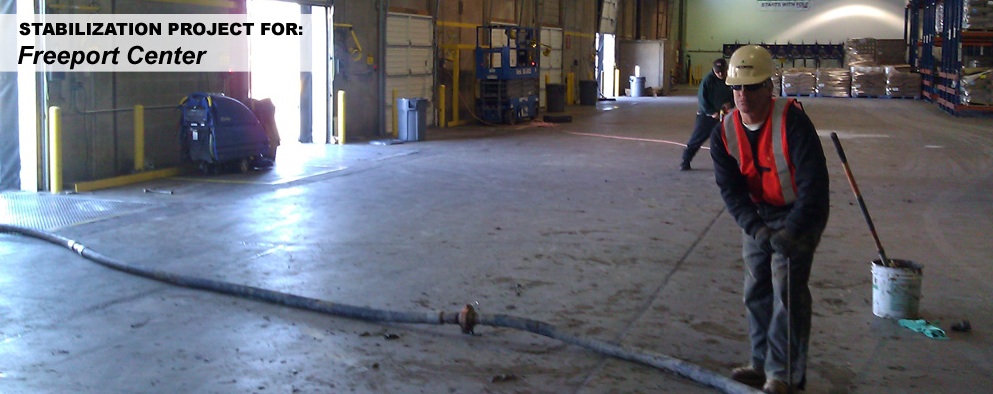
The mudjacking process is rather simple. First, professional concrete repair contractors drill a few strategically placed holes in the damaged slab. A hydraulic pump is then used to send a mud-like slurry down through the holes, and the mixture fills the voids or air pockets in the underlying soil. Once these have all been filled, pressure restores the concrete slab to its original stable position.

How Long Does Mudjacking Take?

Mudjacking isn’t a time-consuming method of concrete repair – quite the opposite, in fact. Experienced professionals are typically able to complete most Salt Lake City projects within a few hours, and mudjacked slabs are immediately ready for light use. Later in the day or by the next morning, the concrete is capable of handling heavy weight.

Large-scale concrete repair projects can take longer, of course, but nowhere near as long as the process of tearing out and replacing a damaged slab. Go that route instead of going with mudjacking, and you may not have a usable concrete surface for weeks.

How Much Does Concrete Repair Cost?

As every concrete repair project is unique, professional contractors consider what is required to fix a cracked or settled slab before providing an estimate. A number of factors can impact the total cost of mudjacking, including the severity of the soil voids, the scope of the work involved and the difficulty in accessing the damaged concrete.

Mudjacking estimates are customized, based on the project parameters and the needs of the client. But, the cost is always far below the price for a slab tear-out and replacement – if you settle on that option, you can expect to shell out two to three times as much money as you would for mudjacking.

How Noticeable Is the Concrete Repair?

After the drilled holes and any cracks in the slab have been filled and sealed, little evidence of the concrete repair work can be seen – stand a short distance away, and the slab will look just right. With the concrete even again, most people won’t even be able to tell that you had mudjacking done.

What about up close? Anyone who looks will see that the slab has been repaired. But that might be the case if you opt for a tear-out and replacement, too, as newly poured concrete often looks off-color in comparison to the slabs already in place.

How Long Do the Results of Mudjacking Last?

While excessive weight or faulty construction practices can be to blame for concrete damage, changes or issues within the soil under a cracked or settled slab are almost always the cause. The process of mudjacking eliminates soil instabilities, and as long as the concrete is properly caulked and periodically resealed, the slab should remain solidly in place for at least a decade.

How does that compare to the results from tearing out and replacing a damaged slab? Since that type of project doesn’t include any measures to do away with voids in the underlying soil, it’s highly likely that the newly poured concrete will settle at some point in the near future.

Can Mudjacking Work for Any Damaged Slab?

Mudjacking is the ideal repair solution for just about any damaged concrete slab. Professional contractors recommend mudjacking over tear-out and replacement for Salt Lake City property owners with sunken sidewalks, settled patios, uneven steps, sagging driveways, cracked garage floors and other slabs with settlement-related damage.

That said, crushed or badly crumbled concrete isn’t a candidate for mudjacking, and the repair isn’t an option for projects involving foundation damage or major structural problems. Choose a reputable contractor like Lift-Up Concrete, and you’ll get an honest opinion as to whether or not mudjacking is the right method of repair.

Have Other Questions About Concrete Repair?

The friendly and knowledgeable team at Lift-Up Concrete, based just outside of Salt Lake City in Kaysville, Utah, can answer all of your questions about mudjacking and provide you with expert advice on the best concrete repair solution for your cracked or settled slab.

Lift-Up Concrete, a trusted local professional contractor with several decades of combined experience in the field of concrete repair, offers complimentary mudjacking estimates to property owners in Salt Lake City, along the Wasatch Front and throughout the surrounding northern Utah area. If you have a damaged slab at your home or business, contact our office and schedule a free, no-obligation concrete repair consultation today.

mudjacking Ogden

The Pros and Cons of Mudjacking a Settled Concrete Slab

Is mudjacking the right fix for the cracked or sunken concrete at your Ogden home? Can the repair method really restore the stability and appearance of a damaged driveway, pool deck, porch, garage or any other settled outdoor slab?

Most people in northern Utah are pleasantly surprised to learn that mudjacking is a highly effective concrete repair technique. And for the vast majority of homeowners in the Ogden area, it’s the best option.

How Mudjacking Works

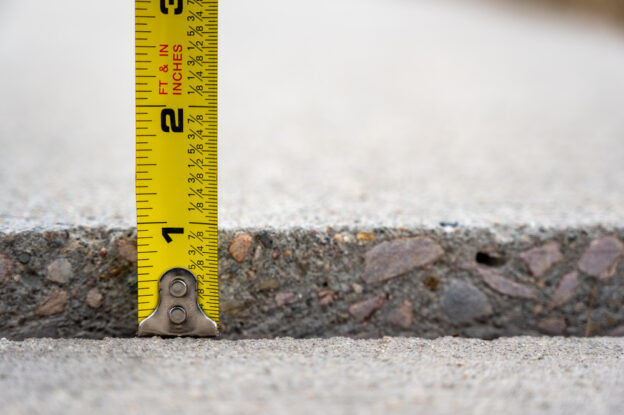
Concrete slabs sink and crack as a result of changes in the earth underneath. Over time, soil can expand, contract, shift and wash away, creating air pockets that compromise the integrity of the concrete and make a slab unstable.

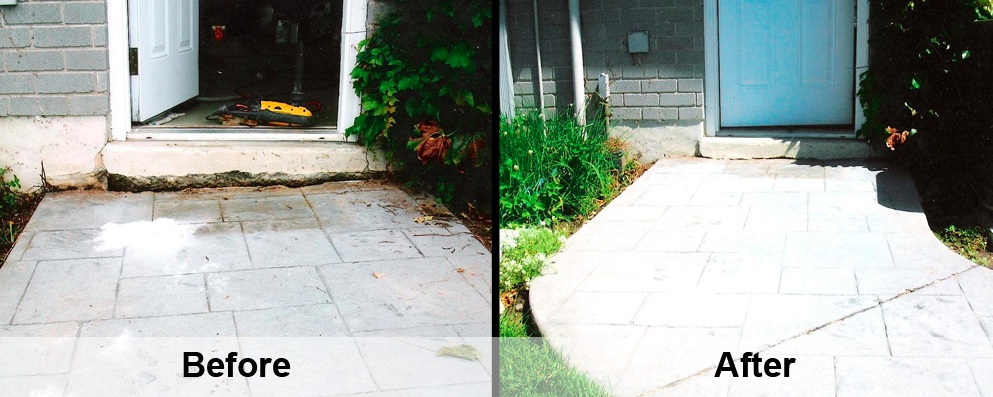
Mudjacking works to stabilize the soil and return a settled slab to its original level position. After drilling a few small holes, a professional contractor is able to fill the pockets of air with a cement slurry mixture. The moment that’s done, pressure raises the concrete into the proper place. Once the cracks and drilled holes have been sealed, the slab is ready for use.

Advantages of Mudjacking

Looking at the pros of mudjacking, it’s easy to see why Ogden homeowners go with this method of concrete repair. Mudjacking is:

  • Affordable – Tearing out and replacing a settled slab typically costs two to three times as much as hiring a professional for mudjacking.
  • Effective – Soil instabilities are eliminated through the mudjacking process, but that isn’t the case with concrete tear-out and replacement.
  • Efficient – Unlike the process of slab replacement, mudjacking is fast, and getting concrete mudjacked does no damage to the landscape.

Are There Downsides to Mudjacking?

So, we’ve explained that mudjacking is both cheaper and more effective than slab replacement. We mentioned, too, that the concrete repair technique offers quick results without disturbing the landscape. There has to be a catch, right?

Well, it’s true that mudjacking has limits – the method isn’t viable for a slab that is badly cracked, crumbled or deteriorated. And while evidence of the repair work isn’t easily visible after the surface has been sealed, the concrete isn’t going to look as pristine as a newly poured slab.

Other than that, there really aren’t any other cons to mudjacking. And for most homeowners in Ogden and the surrounding northern Utah area, the fact that you can see that the repair has been completed isn’t a problem – it’s a fair trade-off for having a secure, stable concrete slab and not having to pay a high price for the work.

Are you curious to know if mudjacking can restore your settled concrete slab? At Lift-Up Concrete, our professional team offers free, no-obligation consultations and estimates to homeowners and businesses in Ogden, Salt Lake City and throughout northern Utah. To meet with one of our mudjacking experts, contact us today!

concrete lifting

How Concrete Lifting Contractors Find Soil Sunken Slab Voids

To effectively raise and stabilize a sunken slab, concrete lifting contractors address the cause of the problem – voids or empty pockets of air in the soil underneath.

In and around Salt Lake City, voids often arise as a result of concrete heaving, or the upward movement of a slab. This often occurs with our clay-heavy soil, as it swells and shrinks when moisture levels fluctuate. The repeated freeze-and-thaw cycles we see in northern Utah is a contributing factor, too, and for many property owners, issues like tree root growth, improper land grading and poor water drainage lead to the develop of soil voids.

Other outside influences, such as insufficient soil compaction or another mistake during the installation of a concrete slab, can also set the stage for voids to form. Whatever the cause, filling these air pockets under a slab is the key to restoring it to a level position – but first, the gaps need to be found. Here, we explain how professional concrete lifting contractors accomplish that task.

Soil Void Detection with Ground Penetrating Radar

When you see that a slab is sinking, you know there’s a gap in the soil underneath. But, the precise location and size of the void can’t be determined with a quick glance – and guessing isn’t going to raise a sunken slab back to an even and stable position.

To figure out exactly where the soil voids are located and how far they extend, concrete lifting contractors rely on ground penetrating radar. GPR technology involves the use of high-frequency radio waves, which are sent down into the ground. When the equipment detects an anomaly in the soil, a signal goes to the receiver. The process is fast, and scanning for soil voids doesn’t do any damage to the concrete.

Interpreting GPR Data for the Purpose of Concrete Lifting

Every anomaly detected by ground penetrating radar isn’t necessarily a soil void. The GPR transmitter also reflects a signal toward the surface when it encounters an underground pipe, large boulder, tension cables or any other subsurface object.

So, how do concrete lifting contractors know if a signal indicates a pocket of air in the soil or something else? The answer has to do with the way GPR technology works. When radio waves travel through different types of matter, the amount of time it takes for the signal to reach the receiver is different. Soil voids can be distinguished from rock and from objects made of PVC, metal and other materials through their unique GPR signature.

That said, GPR data isn’t all that straightforward – the information is presented in the form of a wavy line map, not images of what’s actually underneath the sunken slab. However, concrete lifting professionals are highly trained in the art of ground penetrating radar and can easily make sense of the results.

Concrete Lifting is a Long-Term Solution for a Sunken Slab

As we mentioned, filling voids in the soil is of the utmost importance when it comes to raising and stabilizing a sunken slab. But what about simply replacing the concrete? Isn’t that an alternative for Salt Lake City property owners to consider?

While a slab that’s sinking could be removed and replaced, going that route means leaving the gaps in place – and that means the newly poured concrete is almost certainly going sink at some point. With the high cost of tearing out and replacing a slab, you’d hope that wouldn’t happen, but since the concrete tear-out and replacement process doesn’t involve filling the soil voids, the slab sinking in the future is practically a given.

In contrast, the results of concrete lifting typically last for about a decade. And not only is concrete lifting a long-term fix for a sunken slab, it’s also the cheapest repair option. However, when air pockets in the soil are the result of burrowing animals, drainage issues or tree root growth, these problems must also be resolved to make the development of additional voids and further sinking unlikely.

Schedule a Free Concrete Lifting Consultation Today

If you have a sunken slab at your Salt Lake City home or business property, the professional team at Lift-Up Concrete can provide you with a fast, expert fix for an affordable price.

We offer complimentary, no-obligation consultations and transparent estimates for concrete lifting. We always level with our customers, and we’re happy to answer questions about the work we do. With Lift-Up Concrete, you can expect exceptional service, no matter the size or scope of your repair project.

For more on what makes our company the right choice for concrete lifting in Salt Lake City, or to schedule a free consultation at your northern Utah home or business, contact us today.

mudjacking Ogden

Can Mudjacking Really Restore Your Sunken Patio?

If you’re like many Ogden homeowners, you might not be all that familiar with mudjacking or concrete lifting – and it very well may be that first learned about the method of concrete repair when researching ways to fix your sunken patio.

In that case, you may have doubts about whether mudjacking actually works. The short answer is yes, and it’s the preferred repair solution for most damaged slabs. Read on, and you’ll see why professionals typically recommend mudjacking over slab replacement.

The Many Benefits of Mudjacking

Replacing the slab is an option for your sunken patio, and that may be necessary if the damage is severe. In most cases, however, mudjacking is a smarter approach for several reasons:

  • Price ­– Concrete lifting costs much less then slab replacement.
  • Time – Restoring a patio with mudjacking takes just an hour or two.
  • Usage – The slab doesn’t need to be cured, so it’s usable right away.
  • Results ­– With concrete lifting, the repair work is virtually invisible.

Also, slab replacement doesn’t solve the real problem. Soil voids are usually to blame for a sunken or settled patio – and pouring new concrete won’t eliminate the empty pockets of air in the soil. Go that route, and the slab will likely settle again in the future.

Why is Mudjacking Such an Inexpensive Method of Concrete Repair?

We’ve all heard the saying, “you get what you pay for” – and that alone may make you hesitant to consider concrete lifting. If mudjacking is so cheap, how could it possibly be the best repair option?

The simplicity of the repair is the reason. With slab replacement, the original patio needs to be torn out and hauled away. And after the form is built and new concrete is poured, the slab isn’t ready for use – curing can take a few weeks.

With concrete lifting, the process is quite a bit simpler. After drilling a few small holes in the slab, mudjacking contractors use a hydraulic pump to inject a cement slurry mixture into the soil underneath. Once the voids are filled, pressure lifts and restores the slab, and any cracks and holes can be easily sealed. Since the repair work is much less labor-intensive with mudjacking, the lower cost makes perfect sense.

Contact Lift-Up Concrete for a Free Consultation Today

Concrete lifting is an effective and affordable fix for most sunken patios, but as any professional contractor will tell you, slab replacement is often a must for severely crumbled, crushed or cracked concrete.

However, you can get an expert opinion on concrete repair at no cost – just give the Lift-Up Concrete team a call. We offer free, no-obligation mudjacking consultations to Ogden homeowners, and we’d be happy to come out to discuss your project. For more information on mudjacking and to find out if it’s the right fix for your sunken patio, contact us today!

concrete lifting Utah

Why Hire a Professional for Concrete Lifting in Utah?

So, you have a cracked or settled slab at your Ogden home or business property. The process of concrete lifting seems simple enough to you, and given the many videos and tutorials available online, you’re pretty sure you can figure out how to get the job done yourself. Right?

Well, you wouldn’t be the first northern Utah homeowner to take the do-it-yourself approach to concrete repair. But, we’re willing to bet that you’ll be among the many who wish they had left the project to a professional instead.

Concrete lifting isn’t as easy as it looks – and the majority of people who attempt to handle the work themselves don’t end up all that pleased with the results. If you think you’ll be the exception to the rule, consider the following.

Do You Have the Right Equipment for Concrete Lifting?

You might have a well-stocked tool shed, but the likelihood of you possessing all of the equipment and supplies required to lift and stabilize a settled slab is quite low.

Concrete lifting contractors use specialized tools, including a high-powered concrete drill and a hydraulic pump, in the course of their work. Professionals also have access to a premium cement-based slurry that makes for an exceptional stabilizing material, one that effectively restores a slab’s structural integrity.

Getting this equipment could cost more than paying a professional contractor to handle the concrete repair, and if you do the job correctly, you may never need to use any of it again. Conversely, if you attempt concrete lifting without the right tools, you could end up causing more damage to the slab – and you might even create a weak point in the slab structure, one that can’t be remedied with a simple repair.

Do You Understand How to Eliminate Soil Voids?

You could own all of the equipment listed above — or you might be able to borrow what you’re missing from a friend — but you probably don’t have concrete lifting expertise.

Soil voids, or empty spaces under a slab, aren’t visible. To find the areas that need to be filled, professional concrete lifting contractors rely on ground penetrating radar (GPR). Entry-level GPR systems can cost thousands of dollars, so unless you’re lucky enough to know someone who owns a radar system, you won’t have this type of device.

Without a GPR survey of the repair area, you’ll have to guess where to drill the holes required for concrete lifting. You’ll be guessing how many holes to drill, too, and being that you’re not all that familiar with this type of repair project, you won’t really know how much grout is needed to lift and stabilize your cracked or settled slab. Make the wrong decisions, and your work could create additional damage.

Do You Want Evidence of the Repair to Be Noticeable?

You might be confident in your ability to drill holes in the right places and you might be able to pump the cement slurry into the soil voids, but your lack of experience will show.

One of the greatest advantages of hiring a professional concrete lifting contractor is the quality of their work. When your project is complete, the slab will be back in its original position, and any evidence of the previous damage won’t be easy to spot. Plus, given their expertise, you can rest easy in knowing that the results will stand the test of time.

Without training, knowledge, skill and experience in concrete lifting, achieving all of this is next to impossible. Take the DIY approach, and you can expect rather rough-looking results – anyone who visits your Ogden home or business will know you didn’t have a professional complete the work. And while this may not be a concern for you at the moment, it could become a problem if you decide to sell the property.

Talk to a Professional Concrete Lifting Contractor Today

Have we convinced you to leave concrete repair to the professionals? In any case, it certainly wouldn’t be a bad idea to get an expert assessment and project estimate from a reputable local concrete lifting contractor.

Many people think that fixing a cracked or settled slab themselves would be cheaper than having a professional handle the task, but the opposite is often true. And when you consider the time investment, the DIY route really doesn’t add up – the work could take you several hours or even all weekend depending on the scope of your project, but if you hire a professional, your slab will be lifted and stabilized in far less time.

For fast, affordable and effective concrete lifting, Lift-Up Concrete is the company to trust. We have extensive experience in residential and commercial concrete repair, and our professional team can provide you with high-quality, long-lasting results. To schedule a free, no-obligation consultation and estimate for concrete lifting at your Ogden home or business property, contact us today.

concrete repair Utah

Have a Damaged Slab? Get Concrete Repair to Help Avoid a Lawsuit

This may sound a bit dramatic, but if one of the concrete slabs at your Utah home or business property is cracked or uneven, contacting a local concrete repair company for mudjacking service can keep you being sued.

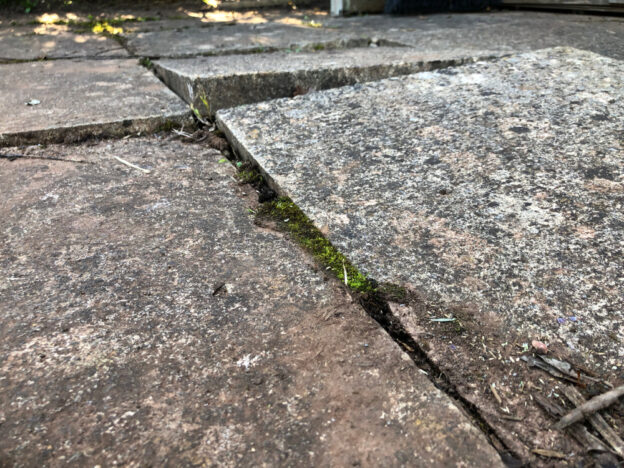
Damaged slabs are more than just eyesores – they’re trip hazards. And under the legal concept of premises liability, you could be held accountable for injuries that result from the unsafe condition of your property. Here’s a look at what could happen if your broken concrete causes an accident and how mudjacking can save you from a personal injury lawsuit.

What Is Premises Liability?

As the owner of a residential or commercial property in Utah, you have a legal responsibility to protect the safety of those who visit. Everyone who is welcome at your home or business has the right to assume that you have taken reasonable care to ensure the property is safe.

When someone slips and falls or suffers any injuries as a result of unsafe property conditions, the owner of the property could be liable. In such a situation, Utah’s premises liability law allows injured individuals to file a claim or take the matter to court.

Whether you have crumbling steps, a sunken sidewalk, cracks in the driveway, an uneven garage floor or another settled slab, resolving the problem should be a priority. If you hold off on concrete repair and someone gets hurt, you may end up paying the price.

What if an Accident Happens on Your Utah Property?

Let’s say that you decide to postpone concrete repair. If the mailman, one of the neighbors or another visitor falls or suffers an injury when walking on your damaged slab, what does that mean for you?

Well, if you didn’t know about the trip hazard or unsafe condition, you may be in the clear in terms of premises liability — the Utah courts are unlikely to hold you accountable for an undiscovered or unknown problem. However, if the injured individual can prove that you were aware of the slab damage and chose not to get concrete repair, they can recover damages through a premises liability claim or personal injury lawsuit.

As for what you might be held liable for, that would include the injured party’s medical bills and any lost wages incurred as a result of the accident. Depending on the severity of their injuries, the individual may also pursue compensation for pain and suffering, future medical care, loss of future wages and other damages.

Think your insurance will help if you end up in court? Most policies require routine property maintenance and regular inspections for potential hazards, so that’s not probably. And in the event your insurance provider does pay out, the claim will go into C.L.U.E., Utah’s comprehensive loss underwriting exchange database – and that could make it more difficult for you to get insurance coverage in the future.

Mudjacking Is the Preferred Concrete Repair Method

For property owners in need of concrete repair, mudjacking – otherwise known as slabjacking or concrete lifting – offers an ideal solution. The process of mudjacking involves just three steps:

  1. Several strategically placed holes, about two inches in diameter, are drilled through the damaged slab.
  2. A cement-based slurry mixture is hydraulically pumped through the holes, and pressure lifts the slab to an even and stable position.
  3. The holes and cracks are sealed to prevent water infiltration and future slab settlement.

Why not simply replace a damaged slab? In comparison to a slab tear-out and replacement project, mudjacking is:

  • Faster and easier – Tearing out and replacing a damaged slab can take weeks when you factor in the curing time. Most mudjacking projects take just an hour or two to complete, and when the work is done, the concrete doesn’t need time to cure.
  • More effective – The mudjacking method of concrete repair restores soil stability, as the voids under a settled slab are filled with the slurry mixture. With a slab replacement, nothing is done to resolve soil instability, and that’s the cause of most concrete damage.
  • Less destructive – Mudjacking is a clean process, and once the concrete repair work is finished, there’s very little evidence left behind. And with mudjacking, there’s no mess to clean and no damage to the landscape. With slab replacement, that’s often not the case.

What’s more, mudjacking costs much less than removing and replacing a damaged slab. Going the latter route could run you two or even three times as much – and why would you want to pay more for a less practical concrete repair?

Don’t Risk a Costly Lawsuit – Schedule Concrete Repair Toda

At Lift-Up Concrete, a leading Utah concrete repair company, we offer free, no-obligation mudjacking consultations to property owners in Salt Lake City, Ogden and the surrounding areas. If you have a damaged slab and want an estimate for mudjacking service, contact us today!