Author Archives: admin

concrete lifting appointment

How Long Does a Concrete Lifting Appointment Take?

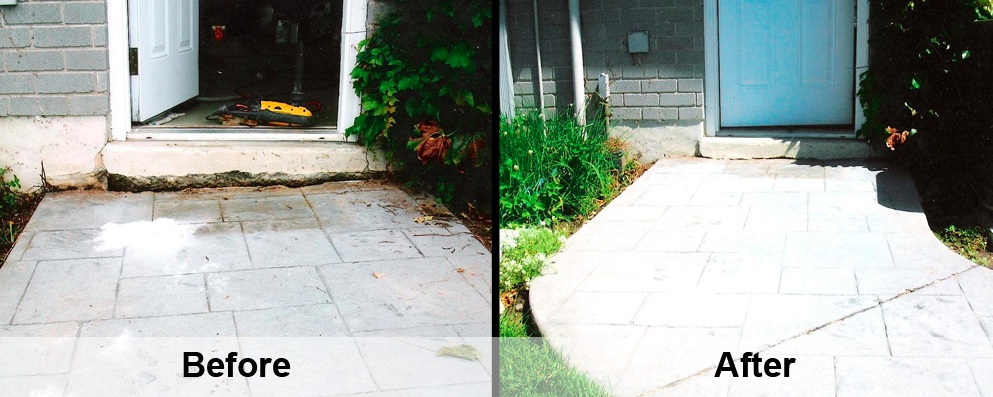
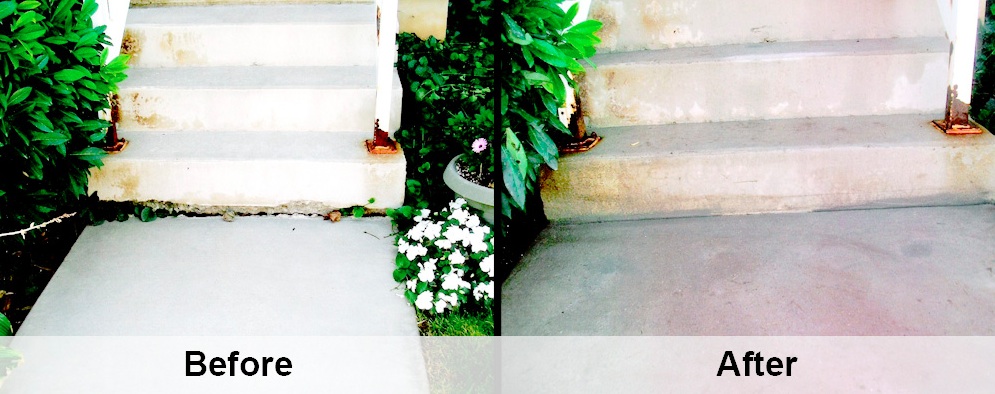
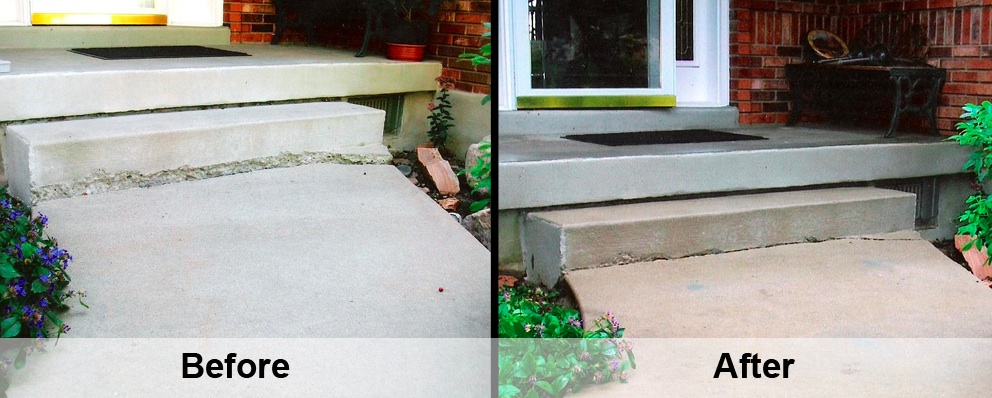
Concrete lifting restores your pavement back to its former glory. However, like many good things, it takes time, especially if you have extensive work that needs to be done.

The length of the appointment also depends on the type of appointment as well. When the contractor comes for the first visit. They’ll do a full analysis of your pavement, and go over the details with you. This will take around 30 minutes to an hour.


During this visit, you should take the time to ask your contractor all of your questions. It’s not uncommon either to receive a proposal during this appointment that includes the length of time needed for the project.

The Concrete Lifting Appointment

The actual appointment for the concrete lifting usually takes less than a day. If you have extensive damage and concrete, that timeline may change though.

The appointment will start with the contractor going over the job and explaining the areas that need to be fixed. For the next couple of hours, you can relax inside or out. Either way, your contractor will be hard at work lifting your pavement and re-leveling it the right way.

Normal areas are finished in a few hours. However, once the concrete has been lifted you should avoid driving on it for an additional four to six hours.

Waiting for this length of time ensures that the concrete will set correctly, and will help you avoid any future problems as well. You can, however, walk on the concrete as soon as the appointment is finished.

What Happens During an Appointment

What is it that makes concrete lifting appointments take so long? Each step needs to be conducted with careful consideration. Unfortunately, your contractor can’t just speed it up.

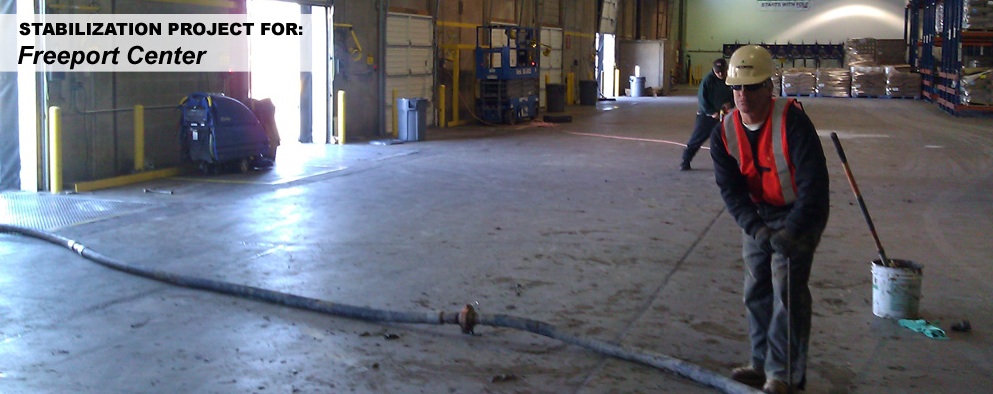
First, the contractor will drill holes into the pavement. From there, a hydraulic pump is attached to the hole. This machine pushes concrete grout underneath the pavement.

Where there was uneven soil and air passages, will now be a solid foundation. As more grout fills up underneath the concrete, the higher the slab will rise, until it’s level with its surround pavement pieces.

At the this point the contractor will fill up the holes and clean the area. Before you know it, you’ll have even, fresh-looking pavement.

If you are planning on replacing the concrete altogether, that job will be a lot more expensive and time consuming. When possible, the better option is concrete lifting.

Schedule An Appointment Today

If you’re tired of tripping over uneven ledges and sunken slabs, concrete lifting is the right step for you. Concrete lifting restores your concrete to how it was when it was first installed.

It’s a cost-effective option that will last as long as your concrete does. Call us at Lift Up Concrete to schedule a free consultation today!

repairing concrete garage

4 Tips for Repairing Concrete in Your Garage

Repairing concrete is a task that often sits on your to-do list for far too long. However, mending your pavement fast is an important step toward avoiding further damage.

Imperfections and weaknesses in concrete often put a lot of the stress on a slab. Problems like this usually tend to get worse. In fact, the damage will only spread the longer it’s left untreated.

repairing concrete garage

If you wait too long to repair your concrete, you may end up with a hefty replacement bill instead of a simple repair. Take a look at our ideas to help you get started repairing the concrete in your garage.

1. Clean and Clear it Out

Sometimes damage in the garage can go unnoticed when you have or vehicles or items taking up the space. So before you plan repairs, clear out the garage and make sure there isn’t any damage you’ve been unaware of. It’ll take a little extra work to clear things out and clean it up, but it’s worth it in the end.

Also, cleaning off dirt or dust will help you pinpoint many of the problems.

2. Smooth it Out

Concrete problems usually fall into three main categories: pockets, sinking slabs and cracks.

Pockets are commonly referred to as pitted flooring. It looks like groups of small holes in the concrete and usually is a result of poor finishing.

As the weather gets cold, this problem can worsen, especially if water leaks into the garage. The solution is to apply resurfacer. This is an easy, cost-effective project you can do in a weekend.

3. Keep it Level

Another problem that affects concrete garages is sinking slabs. This occurs when the foundation shifts or is improperly prepared for the concrete.

Air pockets can eventually cause the concrete slab to sink as a result of the lack of support.

Unfortunately, this isn’t a project you’ll be able to handle easily by yourself. You’ll need the help of professional concrete lifters such as the team at Lift-Up Concrete. We have the machinery and the experience to get your concrete back in position without further damaging it.

4. Fill in Cracks

If you have cracks in your concrete, you’ll want to fix them at this time as well. Cracks are a little trickier to fix by yourself. However, because this job doesn’t need specialized equipment, it’s not impossible to do on your own.

Start Repairing Concrete Today

Your concrete can go back to looking like new with just a little time and attention.

Here at Lift-Up Concrete, we want to help you get your garage back in order as fast as possible. Our team can help you with sagging slabs, uneven edges and much more. Call us to learn how you can start repairing concrete today!

concrete slab jacking permanent

Is Slab Jacking Permanent?

Slab jacking is a process that raises concrete slabs that have shifted or moved since they were placed.

If the ground beneath concrete isn’t been prepped right before pouring, sometimes it will contain voids or spaces. Over time, the earth shifts into these spaces, leaving the concrete above unsupported.

When this happens, your concrete sinks. Not only does this ruin the aesthetic of the pavement, but it also decreases the longevity of it as well. The concrete is more likely to break or crack in this position.

Luckily, slab jacking is an effective, permanent solution to this issue.

How Is Slab Jacking Done?

If you have sinking concrete, the first thing you need to do is to call a professional concrete lifter. We have the necessary tools and experience to restore your concrete to its intended position.

Our contractors will examine your concrete to find the void underneath. We will then drill holes into your pavement. Our specialized tools allow us to drill into the block without the risk of cracking or breaking it. If you try to do this yourself, you could end up further damaging your concrete.

Next, we insert tubes through the holes and underneath the concrete. We then push a thick, grout-like mixture through the tubes to lift your concrete. Our team goes through each portion of the sagging concrete, stabilizing it in this manner.

A lot of factors go into consideration with slab jacking. One of them includes understanding how the concrete was originally placed. Because of all the variables, it’s important that you have a professional complete the procedure.

What Makes it Permanent?

When done correctly, slab jacking is a permanent solution. You won’t have to worry about that area of your concrete sagging any more. The materials used in the process are like a foundation for your concrete.

Before concrete is placed, it needs a sturdy and level area. With tree roots and shifts in the earth, sometimes this area changes.

Fortunately, slab jacking accounts for these changes. It’s possible that during earthquakes and other major shifts of the earth, your concrete will move again. But barring natural disasters, slab jacking is a long-term solution you can count on.

Schedule Concrete Maintenance Today!

If your concrete has started to shift and move, don’t wait until the problem gets worse.

Here at Lift-Up Concrete, we help our clients restore their concrete in one visit. Call us today to schedule a consultation and learn how we can help your pavement look better.

4 Reasons to Get a Concrete Patio

4 Reasons to Get a Concrete Patio

A concrete patio offers you everything you want — and you don’t have to spend a lot of time and energy on maintenance and care.

Over the years, this material has changed a lot. With glossy seal coats, your concrete can easily look like stone or tile.

It comes in dozens of colors and shapes. However, a concrete patio has many more benefits than just its designer look. Why should you install one at your home?


1. It’s affordable

When calculating labor, material and design costs, concrete is one of the most affordable options for patio installation. You can get a beautiful patio at a fraction of the cost, without losing out on quality or appearance.

In fact, stamped concrete is often mistaken for stone or other costlier materials.

An added bonus is that your affordable concrete will help increase your home value as well.

2. Durable

Another way that concrete beats other materials is in its ability to withstand heavy traffic and weather. You can put a hot tub or an above-ground pool on your concrete patio without having to worry if it will rot or break.

3. Easy to Maintain

Because of concrete’s durable nature, it’s incredibly easy and affordable to maintain. Occasionally, you’ll want to pressure wash it to get the dirt and mud off, but for the most part, that’s all you’ll need to do.

However, if the foundation underneath the concrete begins to shift, you’ll need to call a patio-leveling team. Our team at Lift Up Concrete can help you with this.

Concrete lifting will also help your patio last longer.

4. Quick to Install

You don’t generally need a permit to install a concrete patio. In addition, they are quick to install. Within a week, a contractor can lay the foundation and the concrete on top of it.

Keep Your Concrete Patio Looking Good

When you first install your concrete patio, you won’t be able to take your eyes off it. We want to help you keep this excitement for your new installation as long as possible, and patio leveling helps do just that.

Lift Up Concrete will ensure that your patio looks good for its entire lifetime. Call us today to learn about how we can help restore your concrete patio and driveway.

Is Water Damaging Your Concrete

Is Water Damaging Your Concrete?

Concrete withstands tons of weight day after day. That’s why it seems so surprising that a little water can damage it.

But water can be deceptively destructive to your concrete. Luckily, you can take some steps to avoid water damage to your concrete. Below, you’ll find some of the most common ways that water harms concrete and how to prevent it.


1. Shifts the Earth

It’s clear from looking at the Grand Canyon and other national parks that water has a significant effect on the earth around it.

Even a little can have an impact on your home. When it rains, water carries soil down the path of least resistance. Sometimes this path is underground. You might not be able to see it, but you’ll notice the effects on your pavement.

Your concrete slabs may begin to shift, with pieces becoming sunken, raised or uneven.

It’s frustrating to drive and walk on damaged concrete, and it’s also more likely to crack or break. Getting a professional concrete-lifting team to level your pavement will resolve this issue.

 2. Degrades the Concrete’s Foundation

Concrete is naturally porous. This means that it’s easy for water to seep into it. While a simple rainfall isn’t enough to cause damage, over time, you may begin to notice your concrete cracking.

This sometimes comes a result of a weakened foundation. It’s important to purposefully direct the water flow when installing your pavement so that it doesn’t pool underneath the concrete foundation and further degrade it.

3. Freezes in Pores

Living in Utah, you’ll need to worry more about the water freezing in the pores of your concrete than flooding it.

When water freezes, it expands. If the water is sitting in the pores, it will swell as it freezes until something gives. If you have uneven concrete, this damage will get worse as time goes on.

The concrete will continue to push against or pull away from each other. Either way, the result is the same — cracks and uneven pieces. There are two simple solutions for this.

First, if you notice cracks in your concrete, get them repaired with concrete filler. Second, if the slabs are uneven, get them lifted and leveled. Here at Lift Up Concrete, we can help you level and protect your concrete so that it lasts much longer.

Stop water from ruining your concrete — call us for a free estimate on our services.

4 Maintenance Tips for a Concrete Driveway

4 Maintenance Tips for a Concrete Driveway

When your concrete driveway is first installed, it should look beautiful. However, if you don’t maintain it, over time your driveway will begin to show its age. You’ll notice stains, cracks, sinking and more.

Luckily, maintaining your driveway isn’t as difficult as you may think. Take a look at our four maintenance tips that will help keep your driveway looking fresh and new.


1. Clean and Reseal Regularly

Cleaning your concrete regularly will help keep it looking nice. But you should reseal your pavement as well. Resealing adds a coat of protection for your concrete. You can do it yourself or hire a concrete contractor to do it for you.

The traffic and the severity of weather in your area will impact how often you should reseal your concrete. We typically recommend cleaning it whenever something spills on it and resealing every two years.

2. Slab Jack When Necessary

Have you ever tripped over uneven concrete? It’s not only embarrassing, but it can be quite painful as well.

As the earth underneath the pavement moves, so will the concrete. It’s important to keep the concrete as even as possible so it doesn’t crack or break. Slab jacking, also known as concrete lifting, helps resolve this issue.

If you’ve noticed your concrete is uneven, call a concrete lifting professional to fix it for you. They’re skilled in moving the concrete into the correct position without breaking it.

3. Remove Harmful Chemicals

Oil, gasoline, salt and other ammonium sulfates or deicers can damage concrete.

That means that when that first snow falls, you’ll want to reach for the sandbag before the salt crystals. Be sure not to leave any dangerous substances sitting on your concrete for too long.

4. Repair Imperfections in your Concrete Driveway

Cracks are a natural part of the concrete driveway lifecycle. But to keep your driveway looking nicer for longer, you’ll want to repair these imperfections as soon as possible. You may want to use a crack filler or add a topcoat.

Here at Lift Up Concrete, we can help you reposition your pavement so it’s even again.

Call us today to learn about our process.

4 Misconceptions About Concrete Repair

4 Misconceptions About Concrete Repair

Are you exploring whether concrete repair is the right solution for your cracked, broken sidewalk or pool deck? Or your sinking concrete steps and tilted driveway?

If this is the first time you’ve had to deal with this problem, you may hear some falsehoods about how concrete repair can (or can’t) help you. Don’t let the four misconceptions listed below keep you from calling Lift-Up Concrete for solutions.

Myth #1: Anyone Can Do It

Sure — there are plenty of DIY projects you can handle yourself, but don’t let that fool you into thinking concrete repair is easy. It’s not always straightforward to predict how the structure will respond to the lifting process. If you leave it in the hands of an amateur or try to handle it on your own, you could wind up with a bigger problem than when you started.

When searching for professionals to help, look for someone with a range of experience with different projects. Check their references and their license too.

Myth #2: It’s Expensive

Maybe you’ve had a friend or neighbor look at your sinking concrete and say, “Wow, that will be expensive to fix!”

Don’t assume they’re right. If you think concrete lifting is costly, you’ll likely put it off as long as you can, which can make problems worse. Even though it might have been simple and inexpensive to fix at the beginning, it will get more complicated by the day.

Concrete repair isn’t always expensive; check with a professional for details. A qualified, experienced repair expert will give you a quote that includes labor and materials so you know exactly what to expect.

Myth #3: Filling in Cracks Is Enough

How concrete looks is important, but filling in cracks isn’t enough to correct deeper issues. You can caulk and seal cracks all you want, but this will never be a substitute for concrete lifting. The cracks will only worsen and multiply over time.

Myth #4: It’s Better to Just Replace the Concrete

You might be surprised at this one. When you look at a patch of damaged concrete, you may think it’s done for. But again, don’t assume until you get advice from an expert. It’s a big commitment to rip out and re-pour concrete, and if you can fix it without embarking on this type of project, you should.

At Lift-Up Concrete, we spend every day busting myths about the limits of concrete repair with our cost-effective pricing and top-tier service. How can we help your concrete look and function better?

DIY Concrete Lifting Can Go Wrong

How DIY Concrete Lifting Can Go Wrong

Concrete lifting is an effective fix … if it’s done right. If not, you’re stuck with a bigger problem than when you began, and that’s why the DIY route isn’t the recommended path to take.

Even if you’re hands-on with most home repairs, a concrete slab isn’t as easy to deal with as your gutters or landscaping. And sometimes an attempt at a repair can leave you in a worse mess than when you started.

You Know You Need Concrete Repair

One of the best features about concrete as a building material is its longevity. It is structurally sound for years, well past the time frame of many other materials, such as wood or asphalt. But concrete isn’t just durable, it’s also repairable! You can get it back to the way it used to look.

Even some of the most extreme concrete damage can be fixed. It simply must be done correctly.

You Don’t Have the Right Tools

The first way that concrete lifting could get derailed is if you find that the tools you’re using aren’t adequate for the job. Professionals use specialized equipment to bore small holes into the surface of the concrete, then they use pressurized pumps to inject the right stabilizing material beneath the slab.

If you try to handle this task with tools that aren’t specifically intended for this purpose, you could wind up damaging more than the surface — you could cause a weakness in the slab’s structure so that future professional concrete lifting won’t resolve the problem.

It Takes up So Much Time

One of the benefits of hiring a professional team is that the job is completed quickly — usually within a day.

If you depend on an online video and a makeshift tool set, even if you get the issue resolved on your own, it could take you much longer than you originally intended. Since one of the benefits of concrete lifting is saving time, this could negate one of the top factors that causes many homeowners to choose this repair method in the first place.

You Could End Up Needing Replacement Anyway

A makeshift concrete repair isn’t a long-term fix. With our professional concrete lifting, we only take on the jobs where we know we can provide a sturdy, lasting outcome. A DIY project is less of a guarantee — you hope it works, but you have no assurance that it will.

If there’s a chance you could wind up damaging your concrete and needing complete slab replacement anyway, why take the chance? Don’t waste your time, money and energy — trust our cost-effective services instead.

Make the Right Move: Get a Professional on the Job

At Lift-Up Concrete, we are in the business of transformation. You won’t believe the incredible before and after you’ll be able to showcase to your family, neighbors and friends. Concrete lifting can work for you without you doing the work! Contact us today for a free quote.

Fixing Concrete NOT Worth It

When Is Fixing Concrete NOT Worth It?

Fixing concrete is usually an option, especially with the team at Lift-Up Concrete on your side. But just because something is possible doesn’t mean it’s the best use of your money.

Our goal with our concrete lifting and repair services is to provide our customers with value. It’s usually a smart move to repair instead of replace concrete, given the extent of the work of tearing out and re-pouring an entire slab. But there are some instances where fixing concrete just doesn’t make sense.

Below are three scenarios where it might not be worth it to go with repairs, whether due to cost or ineffectiveness, and replacement will be the best option.

There Are Surface-Wide Problems

Concrete is one of the most common building materials because it lasts. But in a climate like Utah’s, winter takes an extreme toll.

Over time, you’ll begin to see pitting and other forms of surface degradation. Not only does this ruin the aesthetics, it’s not simple to repair, either. You need to either patch the problem areas or refinish the surface to restore its look.

Beyond just the drop in the looks department, concrete damage quickly spreads throughout the structure, contributing to a more brittle slab. You are more likely to see serious structural problems as a result. It’s not that you can’t lift and level concrete that has surface-wide issues, the question is: Is it worth it? It might be time to replace it.

There Is Cracking and Separation

Our team is usually called to the scene when concrete slabs begin to crack and sink. It’s more common than you might think, which is why we have so many Utah customers who need our services.

But one situation where lifting and leveling doesn’t solve the entire problem is when the crack that started it all begins to widen dramatically. When there is a huge gap between the two cracked portions of the concrete, lifting isn’t going to solve the problem.

When Age Is More Than a Number

Concrete lasts for decades if you take care of it through resealing and leveling when needed, but after some time, it might start to show its age, especially if it’s the platform for driving, playing, sitting, diving and more. Once your concrete (especially your driveway) has reached the 20-year mark, putting money into repairs will not be a permanent solution.

If your slab or surface is past its useful life, we will recommend replacement. We always give you our best professional recommendation on how to go about fixing concrete and whether we believe it’s worth it in your case. At Lift-Up Concrete, we deliver the results you want, every time.

Driveway Leveling Contractor

Do You Have Heaving or Settling Concrete?

Both heaving and settling concrete pose major threats to your outdoor structures, and maybe even your home.


As a homeowner, limiting damage to your driveway, patio or walkway is one of your top priorities. You want your concrete pool deck to stay beautiful for years.

It starts with diagnosing the problem. Do you have heaving or settling concrete? If so, we can come up with a plan to resolve the issue fast, and for good.

Causes of Settling

If your concrete is settling, the inner area is lower than the edges. Settling is a problem because it usually means cracks develop and separate the slab into sections, which begin to sink.

Settling concrete is mainly caused by poor soil compaction. A certain amount of settling isn’t unusual — in fact, it’s expected — but drastic settling is usually an indication that the installation contractor did not compact the soil enough before pouring the building material. Compaction is critical to a long-lasting concrete structure. Soil washout could be another issue, which is likely the result of poor landscaping and drainage.

Luckily, there’s a way to fix it without tearing out the slab and starting over: concrete lifting. By stabilizing the base and eradicating air pockets, slabjacking gives the concrete a firm, permanent position. And as a part of our concrete lifting services, we always provide recommendations on how to resolve the source of the issue, especially if there is a simple preventive measure that can be taken, such as correcting drainage paths.

The Causes of Heaving

With heaving concrete, the center of the slab is pushing upward and the edges are lower. You might also notice crumbling at the edges of the concrete, meaning it’s happened before.

Heaving concrete is almost always due to the soil conditions. Soil with a high clay content is ultra-absorbent. When it rains heavily, the soil expands drastically, pushing the slab upward. During drier times, it shrinks, returning the concrete to its previous level.

While slabjacking is most effective for extreme settling, it can help with heaving as well, since part of the process is to address excessive moisture levels.

Avoid Complications — Get Professional Repair

The best time to fix your heaving or settling concrete is now. Let’s make your concrete a safe, level area you can use without risk of injury. Talk to Lift-Up today!